How to Prune Wavy hair-grass?
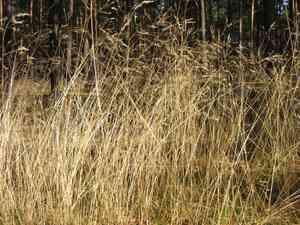
Originating from forested and open heath areas, Deschampsia flexuosa is distinguished by its slender, fibrous stalks and verdant, clustered leaves. The most effective time for trimming is in early spring or during the winter, eliminating deceased or compromised leaves to sustain robustness. Reducing the density of mature clusters stimulates fresh development. Given that Deschampsia flexuosa generally demands little upkeep, pruning improves air circulation and diminishes the likelihood of illness, thereby fostering the plant's general well-being. Precise timing and method are essential to prevent interference with its inherent growth pattern.
Advantages of Trimming Wavy Hair-grass
Advantages of Trimming Wavy Hair-grass
Trimming wavy hair-grass promotes robust development and helps maintain its desired shape, enhancing both health and visual appeal.
Optimal Period for Trimming Wavy Hair-grass
Optimal Period for Trimming Wavy Hair-grass
Trimming wavy hair-grass in early spring is ideal as it prepares the plant for new growth following winter dormancy. During this time, removing dead or damaged leaves encourages healthy development and preserves its intended form. In winter, when wavy hair-grass enters dormancy and growth ceases, it's a perfect time to prune without stressing the plant. This timing allows for the removal of old growth before spring, ensuring the plant's resources are directed towards producing fresh, vigorous growth.
Necessary Tools for Trimming Wavy Hair-grass
Hand Pruners
For precise trimming of wavy hair-grass, hand pruners are perfect. They enable gardeners to cut individual stems accurately without harming surrounding foliage. Opt for bypass pruners, as their sharp blades create clean cuts, aiding the plant's rapid recovery.
Grass Shears
Wavy hair-grass benefits from trimming to remove spent foliage and maintain a tidy look. Grass shears are designed for cutting grass and will effectively snip through the thinner, finer blades of wavy hair-grass, especially when dealing with larger clumps.
Garden Scissors
For minor shaping and reduction of wavy hair-grass, garden scissors can be quite useful. Their small, sharp blades can navigate through the tufts, allowing for accurate snipping without disrupting the plant's overall structure.
How to Trim Wavy Hair-grass
Tool sanitation
Before trimming wavy hair-grass, clean and sanitize your pruning tools to prevent disease transmission. Use a solution of 1 part bleach to 9 parts water or rubbing alcohol to wipe the blades of your pruning shears or scissors.
Identification
Identify the diseased and withered leaves on wavy hair-grass. Look for any signs of discoloration, spots, or leaves that appear brown and dry.
Removal of diseased leaves
Carefully remove diseased leaves by cutting them at the base where they meet the stem. Ensure a clean cut without tearing to avoid damage to the remaining healthy tissue of wavy hair-grass.
Removal of withered leaves
Similarly, trim off withered leaves from wavy hair-grass by cutting at the base. Be cautious not to disturb the healthy leaves and nearby growth points.
Disposal of trimmed material
Dispose of all removed material away from wavy hair-grass and other healthy plants to prevent any potential spread of disease. Do not compost diseased plant parts.
Common Trimming Errors with Wavy Hair-grass
Excessive trimming
Removing too much foliage at once can stress wavy hair-grass and compromise its structural integrity.
Incorrect tool usage
Using dull or unsanitary tools can result in jagged cuts or introduce pathogens that may harm wavy hair-grass.
Disregarding natural form
Trimming without considering wavy hair-grass's natural shape can lead to a less aesthetically pleasing form and may hinder growth.
Neglecting dead material
Failing to remove dead or diseased foliage can prevent wavy hair-grass from directing energy towards new growth and can encourage the spread of diseases.
Ignoring growth patterns
Not taking into account the growth habits of wavy hair-grass can lead to trimming at the wrong spots, affecting the plant's overall health.
General Trimming Advice for Wavy Hair-grass
Proper technique
Make clean, angled cuts just above leaf nodes or bud junctions to promote healthy regrowth in wavy hair-grass.
Tool hygiene
Sterilize tools before and after use to prevent the spread of disease amongst garden plants, including wavy hair-grass.
Trimming for health
Remove only the dead, damaged, or diseased foliage to maintain wavy hair-grass's health without affecting its natural growth rhythm.
Enhancing airflow
Thin out dense areas lightly to increase air circulation, which helps prevent fungal diseases in wavy hair-grass.
Maintenance balance
Balance trimming activities with proper care, including adequate watering and fertilization, to support the recovery and vitality of wavy hair-grass post-trimming.



