How to Transplant Cohune palm?
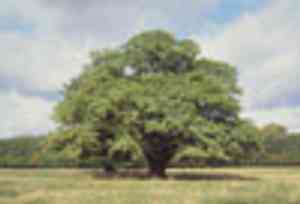
For cohune palm, the ideal period for relocation is during the warmth of late spring, continuing into the initial weeks of summer. Select a bright spot with soil that drains effectively. Provide sufficient room for development, thereby preventing shock after moving.
What Preparations are Needed Before Transplanting Cohune Palm?
What is the Ideal Time for Transplanting Cohune Palm?
The optimal period for relocating cohune palm is at the onset of warmer weather, from late spring into early summer. Moving cohune palm during this season leverages the perfect combination of moderate temperatures and increasing daylight, promoting strong root development. It's an excellent time for cohune palm to adjust to its new surroundings before the full intensity of summer arrives. The longer days provide more sunlight for photosynthesis, while the mild nights prevent shock. This transitional phase ensures your cohune palm gets a vigorous start!
How Much Space Should You Leave Between Cohune Palm Plants?
Hello, gardening enthusiast! Start your cohune palm journey by providing ample room for growth. Aim for a generous spacing of approximately 12-15 feet (3.7-4.6 meters) between each plant. This prevents competition for nutrients and light.
What is the Best Soil Mix for Cohune Palm Transplanting?
To create an inviting bed for your cohune palm, incorporate some well-draining soil. A bit of compost works wonders as a foundational fertilizer, giving your plants a nutrient-rich beginning. Consider it a nourishing meal for your green companions!
Where Should You Relocate Your Cohune Palm?
Your cohune palm thrives in abundant sunlight! Select a bright location where it can absorb those golden rays. Full sun exposure will keep your cohune palm flourishing, so a spot with direct sunlight for most of the day is perfect.
What Equipments Should You Prepare Before Transplantation Cohune Palm?
Shovel or Garden Spade
For excavating the cohune palm from its original spot and preparing the new planting hole.
Trowel
For more delicate tasks around the roots and within the new planting site.
Wheelbarrow
To move the cohune palm from its initial location to the new transplant area.
Pruning Shears
To trim any damaged roots or leaves prior to transplanting.
Gardening Gloves
To safeguard your hands while handling the soil and plant.
Watering Can or Hose
For irrigating the cohune palm after it has been transplanted.
Measuring Tape
To ensure appropriate spacing between the transplant location and other plants.
How Do You Remove Cohune Palm from the Soil?
How Do You Remove Cohune Palm from the Soil?
From Ground: Start by thoroughly watering the cohune palm's soil to minimize stress and facilitate digging. Next, carefully excavate around the plant, creating a wide perimeter to avoid damaging the root ball. Gradually deepen and undercut the trench, then gently pry the cohune palm from its position.From Pot: Water the cohune palm completely to make extracting the root ball smoother. Tilt the container and tap its sides to loosen the soil. Grasp the base of the cohune palm and gently ease it out of the pot without pulling on the stems.From Seedling Tray: Moisten the soil to prevent root damage. Use a small trowel or your fingers to carefully lift the seedling, ensuring a good amount of soil remains attached to the roots to reduce shock during the transfer.
Step-by-Step Guide for Transplanting Cohune Palm
Preparation
Gather all necessary tools and ensure a wheelbarrow or cart is available for moving the cohune palm.
Removal
Follow the appropriate removal procedure based on whether the cohune palm is currently in the ground, a container, or a seedling tray.
Transport
Place the cohune palm gently into the wheelbarrow, supporting the root ball to minimize stress and damage during relocation.
Hole Preparation
At the new planting site, dig a hole twice the width of the root ball and equal in depth so the cohune palm will be at the same level it was growing previously. Clear any weeds or debris from the hole.
Placement
Carefully position the cohune palm into the center of the prepared hole, ensuring it is upright and level.
Filling
Backfill around the cohune palm with soil, gently tamping down as you go to eliminate air pockets. Do not pile soil onto the trunk of the cohune palm as this could lead to rot.
Watering
Water the cohune palm generously to settle the soil around the roots and to help alleviate transplant shock.
How Do You Care For Cohune Palm After Transplanting?
Stabilization
Support the cohune palm with stakes if it is tall or if the planting area is exposed to strong winds.
Mulching
Apply a layer of organic mulch around the base of the cohune palm to retain moisture, regulate soil temperature, and reduce weed competition.
Regular Monitoring
Check the cohune palm frequently for signs of stress such as wilting or discolored leaves and take appropriate measures such as adjusting water or providing shade.
Protection
Keep lawn equipment and foot traffic away from the cohune palm to prevent physical damage to the plant and compaction of the soil around it.
Troubleshooting Common Issues with Cohune Palm Transplantation.
What's the best timing for transplanting cohune palm?
Transplanting cohune palm thrives when moved in late spring to early summer, offering optimal growing conditions.
How far apart should I plant cohune palm?
Space cohune palm generously, about 12-15 feet (3.5-4.5 meters) apart, to accommodate their future growth.
Can cohune palm be transplanted in hot weather?
Avoid transplanting cohune palm during peak summer heat; mild temperatures of late spring to early summer are best.
Why is my cohune palm wilting after transplant?
Wilting post-transplant is often due to shock. Ensure proper watering and avoid full sun initially to help recovery.
How deep should the hole be for transplanting cohune palm?
Dig a hole twice the width and just as deep as the root ball for the cohune palm.
What type of soil is ideal for transplanting cohune palm?
Use well-draining soil rich in organic matter to encourage robust growth after transplanting cohune palm.
How much water does cohune palm need after transplanting?
Water cohune palm thoroughly after transplanting and maintain moist soil for several weeks to support root establishment.
Should I use fertilizer when transplanting cohune palm?
Avoid fertilizing immediately after transplant. Wait until cohune palm shows new growth, indicating successful root take.
How do I handle root-bound cohune palm while transplanting?
Gently tease out the roots of a root-bound cohune palm before planting to encourage outward growth.
Is it necessary to prune cohune palm during transplant?
Minimal pruning, just to remove damaged fronds, helps reduce stress and focus energy on root establishment for cohune palm.



