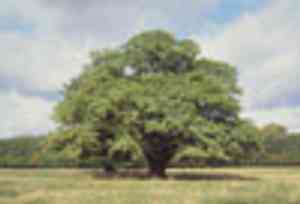
Cohune palm(Attalea cohune)

Cohune palm (Attalea cohune)

Also known as: Cohune palm, American oil palm

The Cohune palm (Attalea cohune) is a notable tree commonly found in Central America, especially in Belize, Guatemala, and southern Mexico. It has several practical applications:

1. **Oil Extraction**: The seeds yield a nutritious oil, known as cohune oil, which is utilized in cooking, soap production, and as a biofuel.
2. **Building Material**: Its durable leaves are frequently used for thatching roofs, while the sturdy trunks serve in various construction projects.
3. **Livestock Feed**: The fruit and seeds provide food for animals.
4. **Traditional Crafts**: The palm's leaves and fibers are crafted into baskets, mats, and other handmade items.

These palms thrive in tropical forests and wetlands, supporting local ecosystems by providing habitat for diverse wildlife species. The Cohune palm is a valuable resource for the communities that rely on it.

Attributes of Cohune palm

Lifespan
Perennial
Plant Type
Tree
Plant Height
50 to 80 feet
Spread
6-8 meters (20-26 feet)
Leaf Color
Green
Flower Size
Small, not typically measured
Flower Color
White

ForwardPlant - Identify plants with a snap

Identify and diagnose plants, get toxicity alerts, and explore safety guides for all types of fungi.

Try for Free

Images of Cohune palm

Cohune palm(Attalea cohune)

Quickly Identify Cohune palm

1
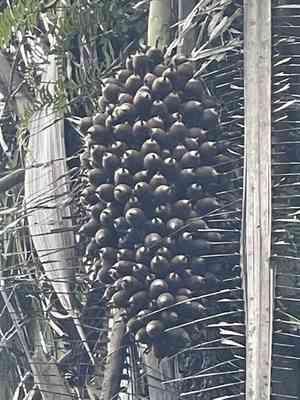
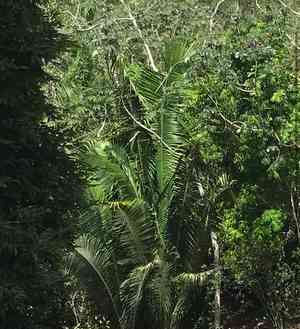
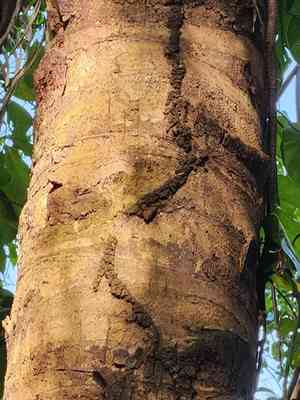
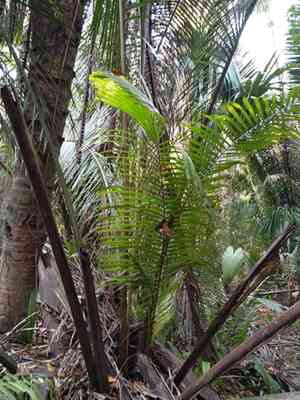
Identify Attalea cohune by its towering height, large pinnate leaves, and large, clustered fruits. The tree is also characterized by a stout trunk and a prominent crown of leaves.

Scientific Classification of Cohune palm

Phylum
Vascular plants
Class
Monocotyledons
Order
Arecales
Family
Palm
Genus
Attalea
Species
Cohune palm

Planting and Growing of Cohune palm

Care Difficulty
Hard
Watering Schedule
Every 2 days
Sunlight Requirements
Full sun
Sunshine Duration
4-8 hours
Ideal Temperature
75-85℉
Soil Type
Potting Mix, Peat Mix
Soil pH
6.5-7.5
Fertilizer Type
Balanced
Pruning Season
Spring, Summer
Pruning Area
Branches, Leaves
Pruning Frequency
2 times a year
Repotting Season
Spring
Pot Type
Plastic, Ceramic

water icon How to Water Cohune palm?

Attalea cohune, commonly known as the Cohune Palm, has specific watering needs. Water deeply, allowing the soil to become moist but not soggy. This typically requires around 1000 milliliters of water per session. Adjust based on the environment, ensuring the topsoil dries out slightly between waterings to avoid waterlogging.
What are the symptoms of an underwatered Cohune palm?
What should I do if my Cohune palm is not getting enough water?
What are the symptoms of an overwatered Cohune palm?
How to save an overwatered Cohune palm?

sunlight icon What Are the Sunlight Requirements for Cohune palm?

Sunlight Requirements: Full sun
Duration of light: 6-8 hours daily
Attalea cohune benefits greatly from full sun exposure, ideally between 6-8 hours daily. This ensures it has enough energy for growth and maintaining its lush foliage.
How much sunlight does Attalea cohune need?
What are some solutions to get ideal sunlight for the plant?
What are the benefits of ideal light exposure for the plant?

temperature icon What Is the Ideal Temperature Range for Cohune palm?

Ideal Temperature: 75 ~ 85℉
The optimal temperature range for the thriving of Attalea cohune is between 75°F and 85°F. Within this range, the plant can photosynthesize efficiently, absorb nutrients optimally, and maintain robust cellular activities, leading to improved growth and vitality.

soil icon What Soil is Best for Cohune palm?

Soil type: Sandy soil, Loam
Soil PH: 6.5 ~ 7.5
Attalea cohune thrives best in well-drained soils that prevent waterlogging. This promotes healthy root development and prevents root rot, ensuring the plant's vitality and robustness. Nutrient-rich soil is essential for the growth of Attalea cohune. It provides necessary minerals and micronutrients that support vigorous growth and improve overall resistance to pests and diseases. The soil should have a balanced moisture retention capability. This ensures that the plant receives adequate water between irrigation periods, promoting consistent growth without stress.

fertilize icon How to Fertilize Cohune palm?

Fertilizer type: Balanced
Attalea cohune requires a balanced approach to fertilization. When using liquid fertilizer, use a solution of half-strength that provides essential nutrients without overwhelming the plant. Typically, this means applying about one cup of dilute liquid fertilizer per plant, ensuring you do not over-concentrate, as this could cause root damage.

prune icon How to Prune Cohune palm?

Pruning Time: Spring, Summer, Autumn
Begin by identifying any dry, yellow, or brown fronds. Gently cut these fronds back to the base, ensuring you do not damage the central growth point of the palm. Removing these fronds helps the plant conserve energy and focuses its nutrients on producing new, healthy growth. Inspect the plant carefully for any broken or diseased segments. Cut these back to healthy tissue to prevent the spread of disease. This not only maintains the plant's appearance but also prevents potential pest infestations. If the canopy becomes too dense, thin out some of the older fronds to allow light to reach the lower parts of the plant. This promotes a balanced growth pattern and enhances the overall health of your Attalea cohune. More About Pruning Techniques

propagate icon How to Propagate Cohune palm plant?

Propagate Time: Early spring, Spring, Summer
1
Gather ripe seeds from mature Attalea cohune fruits. Ensure the seeds are fully matured for optimal germination rates. Clean any pulp residue to prevent mold development prior to sowing.
2
Place cleaned seeds into propagation trays filled with sterile potting mix. Cover them lightly with soil and water gently to maintain moisture without saturating the mix.
3
Place the trays in a warm, humid environment with indirect sunlight. Ensure the temperature remains between 25-30°C (77-86°F) to facilitate effective germination.
More About Propagating Techniques

repot icon How to Repot Cohune palm plant?

Repotting frequency: Every two to three years
1
Attalea cohune should be repotted when it shows signs of being root-bound, such as roots growing out of the drainage holes or the plant becoming top-heavy. Additionally, if the soil becomes compacted or depleted of nutrients, it's a signal to consider repotting. These conditions usually manifest every two to three years, particularly during active growth periods in spring or summer.
2
Select a pot that is one size larger than the current one to allow for root growth. Ensure the pot has adequate drainage holes to prevent waterlogging, which can lead to root rot. A terracotta pot can be an excellent choice as it allows the soil to dry out between waterings, mimicking the plant's natural tropical environment and promoting healthy root development.
3
Opt for a rich, well-draining soil mix, ideally one designed for palms or tropical plants. A combination of potting soil, sand, and organic matter like compost ensures good aeration and nutrient supply. This type of soil sustains the Attalea cohune, supporting lush foliage and preventing root diseases by facilitating proper drainage and nutrient retention.

ForwardPlant - Identify plants with a snap

Find the best spots for them to optimize their health, simply using your phone.

Try for Free