How to Propagate Cohune palm?
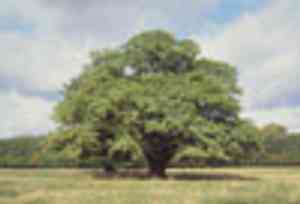
The cohune palm is a substantial tropical palm recognized for its impressive look and financial worth stemming from its diverse applications. Reproducing cohune palm mainly entails the separation technique, requiring cultivators to meticulously detach the palm offshoots from the mature specimen. It is crucial to verify that each offshoot possesses its own undamaged root system prior to transplantation. For effective propagation, the detached offshoots ought to be placed in soil that drains efficiently and provided with sufficient moisture until they are rooted, while sustaining elevated moisture levels and heat to replicate their native environmental factors.
Optimal Time for Cohune Palm Propagation
Propagation Method
Separation
Propagation Period
Spring,Autumn
Tools for Cohune Palm Propagation
Sharp, Sterile Pruning Shears
Utilized for making clean cuts when dividing cohune palm clumps. Sharp blades ensure quick, precise cuts that minimize root system damage, enhancing successful propagation. Sterility prevents pathogen introduction to fresh cuts, crucial for cohune palm's health.
Spade or Garden Fork
Used to effectively dig around cohune palm's root mass. A spade or fork with a sturdy handle and sharp edges allows propagators to lift the root mass with minimal plant disturbance. This tool is essential for safely separating larger clumps without root structure injury.
Rooting Hormone
Applied to cut root surfaces to encourage faster root development in new cohune palm divisions. Rooting hormone increases the likelihood of new plants' survival and establishment by promoting healthier, more robust root growth.
Watering Can with Fine Rose
Provides gentle watering to cohune palm after propagation, essential for helping new divisions establish without excessive water. The fine rose attachment ensures soft water distribution, avoiding disturbance to newly planted divisions.
How to Propagate Cohune Palm?
Propagation Type
Simple
Caring for Your Newly Propagated Cohune Palm
Caring for Your Newly Propagated Cohune Palm
After transplanting, continue to provide cohune palm with consistent moisture, especially during dry periods, to encourage strong root development. Position the plant in a location with full sun to partial shade. Regularly enrich the soil with organic compost to support growth and apply mulch around the base to help retain soil moisture and suppress weeds. As cohune palm matures, prune away any dead or damaged fronds to maintain plant health and aesthetics.
Common Errors to Avoid When Propagating Cohune Palm
Overwatering
Excessive watering of cohune palm can lead to root rot, a condition where the root system deteriorates, preventing efficient nutrient absorption. Overwatering is particularly detrimental during propagation, as young roots are especially vulnerable.
Deep planting
Planting cohune palm's seeds too deeply can hinder their germination and development. Seeds need to be placed at an optimal depth to ensure sufficient oxygen and ability to break through the soil surface.
Neglecting humidity
Failure to maintain a high humidity environment for cohune palm during propagation can cause seeds to dry out before germination, significantly reducing propagation success.
Using poor soil
Utilizing substandard or inappropriate soil for cohune palm can impede root growth and water drainage, resulting in poor seedling health and stunted growth.
Tips For Propagating Cohune Palm
Proper watering
Ensure the soil is consistently moist but not waterlogged. Using a spray bottle to mist the soil can prevent overwatering while ensuring adequate moisture for cohune palm's seeds until they germinate.
Correct seed depth
Plant cohune palm's seeds at a shallow depth, roughly 1-2 times the size of the seed. This promotes easier germination and allows seedlings to surface and access light more readily.
Maintain humidity
Covering the seed tray or pot with a plastic cover can help retain moisture and humidity, creating an ideal microenvironment for cohune palm's seeds to thrive during germination.
Appropriate soil mix
Use a well-draining, nutrient-rich soil mix tailored for palm propagation. Integrating sand or perlite can improve drainage and support the development of healthy root systems for cohune palm.



