How to Prune Cohune palm?
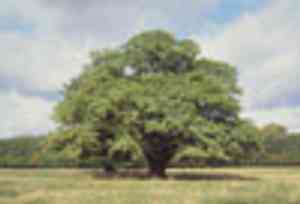
A tall tropical variety distinguished by its fan-like foliage, the cohune palm thrives with deliberate trimming to preserve its vitality and aesthetic. Efficient methods involve detaching deceased or injured fronds, severing fruit stalks, and reducing dense groupings to improve air circulation. The most suitable period for pruning is immediately preceding the vigorous growth period in late winter or early spring. Pruning boosts robustness and lowers the chance of illness, yet refrain from over-trimming to avoid disrupting the cohune palm's inherent development.
What Are the Benefits of Pruning Cohune Palm?
What Are the Benefits of Pruning Cohune Palm?
Trimming cohune palm aids in maintaining its form, eliminating damaged leaves, and fostering more robust development. Strategic cuts can improve the palm's overall vitality and visual appeal.
What Is the Best Time for Pruning Cohune Palm?
What Is the Best Time for Pruning Cohune Palm?
Pruning or trimming cohune palm during late winter or early spring is ideal as it aligns with the period just before the growth cycle begins. This timing allows the palm to recover and channel energy into new growth as temperatures rise. Furthermore, pruning at the start of the growing season helps prevent stress during hot summer months or cold winter periods, which can be detrimental to plant health. The removal of dead or dying fronds, along with any flower stalks after fruiting, enhances air circulation, reduces disease risk, and promotes vigorous growth. Late winter pruning is particularly advantageous in avoiding the sap flow peaks in spring, which can attract pests if cuts are made during active growth. Avoiding the flowering and fruiting periods by pruning in early spring ensures that energy is directed towards the development of strong new fronds and the overall structural integrity of cohune palm.
What Tools Do I Need to Prune Cohune Palm?
Heavy-duty pruning saw
A robust pruning saw is necessary for cohune palm due to its thick, fibrous trunk. This tool can effectively manage larger branches and fronds.
Long-handled loppers
Cohune palm can have tough, thick fronds that may be out of reach. Long-handled loppers will provide the leverage and extension needed for cutting such fronds without straining the gardener.
Pole pruner
For higher fronds of cohune palm that are difficult to access, a pole pruner will enable safe trimming from the ground, eliminating the need for potentially risky ladders.
Gardening gloves
Durable gardening gloves are advised to shield hands from the spiny fronds of cohune palm, while offering a firm grip on pruning tools for safety and precision.
Safety glasses
Eye protection should be worn to guard against any debris or sap that might result from cutting through the tough material of cohune palm's fronds.
How to Prune Cohune Palm
Clean Tools
Sanitize pruning tools with a 10% bleach solution or alcohol to prevent the spread of disease when trimming cohune palm.
Inspect
Examine cohune palm carefully to identify diseased and withered leaves, ensuring they are not mistaken for naturally browning lower leaves which may still be healthy.
Cut Diseased Leaves
Use the sterilized tools to cut diseased leaves at the base where they meet the trunk, making clean cuts to avoid damaging cohune palm's trunk.
Cut Withered Leaves
Remove withered leaves by cutting them close to the stem, but avoid pulling or tearing which could harm cohune palm.
Dispose
Dispose of the removed diseased and withered leaves properly, far from healthy cohune palm specimens, to prevent the spread of any potential pathogens.
Common Pruning Mistakes with Cohune Palm
Overpruning
Removing too many fronds from cohune palm at once can stress the plant, potentially leading to stunted growth or increased vulnerability to pests and diseases.
Cutting Too Close
Cutting fronds too close to the trunk can cause wounds that may invite pathogens and pests, harming the health of cohune palm.
Pruning Green Fronds
Removing healthy green fronds can weaken cohune palm by reducing its ability to photosynthesize and produce the necessary nutrients for growth.
Improper Tool Use
Using dull or unclean pruning tools can result in jagged cuts that do not heal well and increase the risk of infection in cohune palm.
Ignoring Dead Fronds
Failing to regularly remove dead or dying fronds can lead to pest infestations and disease, as well as pose a risk of falling debris.
Common Pruning Tips for Cohune Palm
Sanitize Tools
Always use clean and sharp tools to make precise cuts, which aid in the quick healing of wounds on cohune palm.
Correct Cutting Technique
Cut fronds at a distance of about 2 inches away from the trunk. This avoids damaging the trunk of cohune palm while allowing the removal of unwanted fronds.
Health Assessment
Before pruning, assess the overall health of cohune palm. Only prune fronds that are dead, damaged, or diseased to maintain the health and aesthetic of the palm.
Balanced Pruning
Prune fronds evenly around cohune palm to ensure balanced growth and to maintain the plant's natural shape.
Disposal Of Waste
Properly dispose of the pruned material to minimize the risk of pests and diseases that may affect cohune palm or other nearby plants.



