How to Transplant Spinescale saltbush?
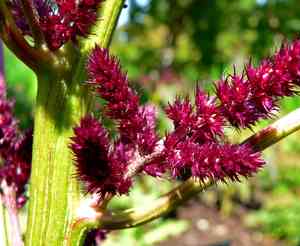
Spinescale saltbush thrives when relocated between the middle of spring and the beginning of summer, benefiting from warmer ground. Optimal settings involve a bright spot with soil that drains effectively. Ensure only sufficiently developed plants are moved to enhance their chances of survival.
Essential Preparations Before Relocating Spinescale Saltbush?
Optimal Period for Moving Spinescale Saltbush?
The best time to move spinescale saltbush is from mid-spring to early summer. This timeframe provides ideal ground temperatures and moisture levels, promoting robust root development and growth. Relocating spinescale saltbush during this window maximizes survival rates and improves overall plant vitality, preparing it for the demanding conditions of subsequent seasons.
Recommended Spacing Between Spinescale Saltbush Plants?
When relocating spinescale saltbush, aim for a separation of 3-4 feet (approximately 1-1.2 meters). This distance allows ample room for development and flourishing, preventing excessive competition for vital resources.
Ideal Soil Blend for Spinescale Saltbush Relocation?
Ensure the soil for spinescale saltbush is well-draining. A sandy or loamy soil type is perfect. Enhance the soil with compost or a balanced plant food to give the plants a strong start. Incorporate the fertilizer as per package directions for optimal outcomes.
Preferred New Location for Your Spinescale Saltbush?
Select a sunny spot for relocating spinescale saltbush. These plants thrive in full sun, so ensure they receive at least 6-8 hours of direct sunlight daily. This will encourage vigorous growth and maintain their health.
Necessary Tools for Spinescale Saltbush Relocation?
Gardening Gloves
To safeguard your hands while handling soil and spinescale saltbush.
Shovel or Spade
For excavating the planting hole and moving earth.
Trowel
Useful for digging smaller areas and carefully managing root systems.
Pruning Shears
To trim any damaged or excess roots during the relocation process.
Watering Can or Hose
To hydrate the plant immediately following its relocation.
Mulch
To preserve soil moisture and shield new roots from temperature extremes.
Method for Extracting Spinescale Saltbush from its Current Location?
Method for Extracting Spinescale Saltbush from its Current Location?
From Ground: First, moisten the spinescale saltbush plant to dampen the soil. Next, excavate a wide trench around the plant using a shovel or spade, ensuring the plant's root ball remains intact. Carefully maneuver the spade beneath the root ball to lift the plant from its original spot.From Pot: Hydrate the soil in the container to facilitate removal. Gently tap the pot's sides and tilt it to slide the spinescale saltbush plant out, supporting the root ball with your hand. If the plant is resistant, use a trowel to loosen soil around the edges.From Seedling Tray: Water the seedlings prior to removal. Use a trowel or your fingers to gently lift each spinescale saltbush seedling by its leaves (avoiding the stems) to prevent harm, ensuring you extract as much of the root system as possible.
Detailed Procedure for Relocating Spinescale Saltbush
Preparation
Thoroughly water the spinescale saltbush plant before relocation to ensure the root ball is moist and easy to handle.
Excavating the Hole
Dig a hole in the new site that is twice as wide and the same depth as the spinescale saltbush plant's root ball. This provides ample space for roots to spread and develop.
Relocation
Position the spinescale saltbush plant in the hole at the same depth it was previously growing. Backfill the hole with soil, gently pressing it around the plant's base to eliminate air pockets.
Watering
Immediately and thoroughly water the spinescale saltbush plant to help the soil settle around its roots.
Mulching
Apply a layer of mulch around the base of the spinescale saltbush plant, keeping it a few inches away from the stem to prevent rot.
Post-Relocation Care for Spinescale Saltbush?
Watering
Maintain consistent moisture in the soil around the spinescale saltbush, avoiding sogginess, for the initial weeks after relocation to aid in root establishment.
Monitoring
Regularly inspect the spinescale saltbush plant for any indications of stress, such as wilting or yellowing foliage, and adjust care as needed.
Mulching
Ensure the mulch remains in place to help retain moisture and regulate soil temperature.
Protection
If relocating during periods of extreme temperatures, consider temporary shading or wind protection for the spinescale saltbush until it becomes established.
Resolving Common Issues with Spinescale Saltbush Relocation.
When is the best time to relocate spinescale saltbush?
Relocate spinescale saltbush during mid to late spring or early summer for optimal growth.
How much space should I leave between each spinescale saltbush?
Space spinescale saltbush plants 3-4 feet (0.9-1.2 meters) apart for healthy growth.
What type of soil is best for spinescale saltbush?
Use well-drained, sandy or loamy soil to ensure spinescale saltbush thrives after relocation.
How do I prepare the new planting site for spinescale saltbush?
Loosen soil to a depth of 10 inches (25 cm) and remove weeds before relocating spinescale saltbush.
How deep should I plant the spinescale saltbush root ball?
Plant the root ball of spinescale saltbush at the same depth it was growing previously.
How much water should I provide after relocating spinescale saltbush?
Water spinescale saltbush thoroughly immediately after relocating, then keep the soil moist but not waterlogged.
Do I need to fertilize spinescale saltbush after relocating?
Use a balanced fertilizer sparingly once spinescale saltbush is established, about 4-6 weeks after relocation.
Should I provide shade to spinescale saltbush after relocating?
Provide partial shade to spinescale saltbush for the first week to help it acclimate.
Is mulching necessary for spinescale saltbush after relocating?
Apply mulch around spinescale saltbush to retain moisture and reduce weed competition.
How can I prevent relocation shock in spinescale saltbush?
Avoid disturbing roots and maintain consistent moisture to minimize relocation shock in spinescale saltbush.



