How to Prune Spinescale saltbush?
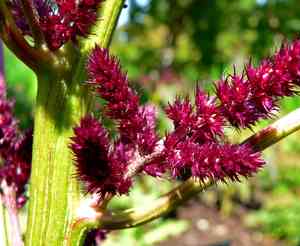
Spinescale saltbush is a resilient woody plant recognized for its thorny leaves and capacity to thrive in dry environments. Trim spinescale saltbush in the initial part of spring to eliminate deceased or compromised limbs, fostering fresh development and preserving its form. Employ keen, sanitized implements to execute precise cuts directly above a bud or side branch. Trimming enhances air movement and aids in deterring insect infestations. Exercise care due to the plant's thorns during manipulation. Consistent yearly trimming guarantees a robust and properly formed specimen.
Advantages of Trimming Spinescale Saltbush
Advantages of Trimming Spinescale Saltbush
Trimming spinescale saltbush promotes robust development, helps the plant maintain its form, prevents congestion, and boosts resistance to pests and diseases. Regular trimming also improves its overall look, making the plant more appealing and sturdy.
Optimal Time for Trimming Spinescale Saltbush
Optimal Time for Trimming Spinescale Saltbush
Trimming or shaping spinescale saltbush in early spring is considered ideal because this period coincides with the end of its dormant phase. This allows the plant to quickly produce new growth, minimizing stress and fostering strong development. Early spring trimming also aids in shaping the plant before the growing season begins and lowers the risk of disease or pest infestations, as the plant can better heal and recover during this active growth stage.
Tools Required for Trimming Spinescale Saltbush
Bypass Pruners
Bypass pruners are perfect for making clean cuts on live stems and branches of spinescale saltbush. Their sharp blades ensure minimal harm to the plant tissue.
Long-handled Loppers
These are crucial for reaching deeper into the shrub and cutting thicker branches. Their leverage simplifies the trimming of larger, woody stems of spinescale saltbush.
Gloves
Given that spinescale saltbush has thorny branches, wearing sturdy gardening gloves helps protect your hands from injury during trimming.
Pruning Saw
For any exceptionally thick, woody stems that loppers cannot handle, a pruning saw is necessary. Its serrated edge cuts through tough branches with ease.
Hedge Shears
While not always essential, hedge shears can be useful for shaping spinescale saltbush and maintaining its overall form and size.
How to Trim Spinescale Saltbush
Examine
Thoroughly inspect spinescale saltbush to identify any diseased leaves, withered leaves, dead branches, and infected branches.
Remove diseased leaves
Use sanitized pruning shears to remove any diseased leaves, cutting back to healthy tissue to prevent the spread of illness.
Discard withered leaves
Carefully snip away withered leaves, ensuring the plant's overall health by removing foliage that no longer contributes to its growth.
Cut dead branches
Identify dead branches and remove them completely, making clean cuts just above a healthy node or branch junction.
Trim diseased branches
Remove diseased branches by cutting into healthy wood below the affected area, sanitizing tools between cuts to avoid contamination.
Common Trimming Errors with Spinescale Saltbush
Excessive Trimming
Removing too much foliage at once can stress spinescale saltbush and hinder its growth. It's vital to leave enough leaves for photosynthesis.
Incorrect Cuts
Making jagged, uneven, or improperly angled cuts can harm the stems and leave spinescale saltbush susceptible to disease and pests. Clean, precise cuts are essential.
Trimming Young Plants
Trimming spinescale saltbush too early in its development can stunt its growth and reduce its ability to establish a strong root system. Wait until the plant is mature.
Timing Mistakes
Trimming at the wrong time (excluding seasonal considerations) can disrupt the plant's natural growth cycle. Always trim after major growth or flowering phases.
General Trimming Advice for Spinescale Saltbush
Utilize Sharp Tools
Always use sharp, clean pruning shears to make smooth cuts that heal quickly and minimize the risk of disease entry.
Maintain Natural Shape
Trim spinescale saltbush to preserve its inherent form rather than forcing it into an unnatural shape. This encourages healthier growth and more attractive foliage.
Remove Dead/Diseased Wood
Regularly remove any dead, damaged, or diseased branches to enhance air circulation and overall plant health.
Moderate Trimming
Practice light, gradual trimming. Remove only about 10-20% of the plant at a time to prevent shock and encourage resilient growth.



