How to Propagate Spinescale saltbush?
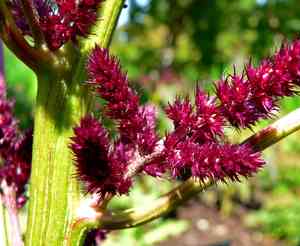
A crucial element of dry and salty habitats, spinescale saltbush reproduces mainly via stem sections. Choose robust stalks, immerse them in rooting stimulant, and embed them in porous soil blends. Guarantee steady hydration without oversaturation, and sustain a brief humidity shield to foster root development. With appropriate attention, this method boosts successful integration, encouraging vigorous development in designated ecological settings.
Optimal Period for Spinescale Saltbush Propagation
Propagation Method
Cutting
Propagation Season
Spring,Summer
Tools Required for Spinescale Saltbush Propagation
Pruning Shears
Utilized for obtaining clean and precise sections from the parent plant, minimizing harm to both the source plant and the new cutting. This instrument is crucial for securing robust and viable spinescale saltbush cuttings.
Rooting Hormone
Assists in stimulating root formation on cuttings. This is particularly beneficial for spinescale saltbush as it can boost the propagation success rate.
Propagation Tray
Offers a regulated setting for cuttings to develop roots. It typically features compartments to separate cuttings and enables consistent moisture management, vital for the initial phases of spinescale saltbush propagation.
Heating Mat
Helps sustain a consistent soil temperature to encourage quicker and more dependable root growth. This tool is important for spinescale saltbush as it guarantees an ideal environment for root development.
Misting Bottle
Employed to maintain humidity around the cuttings without over-saturating the growing medium. Keeping spinescale saltbush cuttings moist but not waterlogged is essential during the rooting process.
Clean Sand
Serves as a substrate for the cuttings to root within. Clean sand drains effectively, which is advantageous for spinescale saltbush as it prevents waterlogging and potential decay of the cuttings.
Plastic Dome/Cloche
Generates a miniature greenhouse effect over the propagation tray, trapping humidity and warmth. This ensures that spinescale saltbush cuttings remain in favorable conditions for rooting.
How to Propagate Spinescale Saltbush?
Propagation Type
Moderately Difficult
How to Care for Your Newly Propagated Spinescale Saltbush?
How to Care for Your Newly Propagated Spinescale Saltbush?
Once cuttings have established roots and new growth emerges, gradually introduce them to normal humidity levels by removing the plastic cover for extended periods daily. When robust, transplant the young plants into larger containers or directly into their permanent garden spot. Spinescale saltbush thrives in well-draining soil and needs minimal water once established, making it drought-tolerant. Regular trimming can help maintain its form and encourage denser growth. Monitor for pests and diseases, and treat as necessary to keep the plants healthy.
Common Mistakes to Avoid When Propagating Spinescale Saltbush
Overwatering
Excessive watering can lead to root rot and fungal infections, which are detrimental to spinescale saltbush's well-being.
Incorrect Soil Type
Using soil that retains too much moisture or lacks proper drainage can impede spinescale saltbush's growth and increase susceptibility to diseases.
Improper Light Exposure
Spinescale saltbush requires ample sunlight. Insufficient light can slow growth and weaken the plant.
Ignoring pH Levels
Failure to maintain the appropriate soil pH level can impact nutrient absorption, negatively affecting plant health.
Spacing Issues
Planting spinescale saltbush too close to other plants can restrict airflow and increase competition for resources, hindering its development.
Tips For Propagating Spinescale Saltbush
Use Well-Draining Soil
Choose sandy or gravelly soil to ensure proper drainage, mimicking spinescale saltbush's natural environment.
Water Sparingly
Spinescale saltbush is drought-tolerant, so irrigate only when the soil is dry to the touch, preventing root rot.
Provide Full Sun
Position spinescale saltbush in a spot where it can receive at least 6 hours of direct sunlight daily.
Monitor Soil pH
Ensure the soil pH is slightly alkaline to neutral (7.0 to 8.0) to facilitate optimal nutrient absorption.
Ensure Adequate Spacing
Space plants sufficiently to allow good air circulation and reduce competition for sunlight and nutrients.



