How to Transplant Beach saltbush?
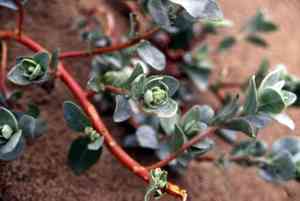
Beach saltbush flourishes when relocated during the revitalizing period of late winter or early spring, as this timing facilitates root development prior to the summer season. Ideal environments feature sun-drenched spots with efficient water runoff. Take care to minimize disruption to the root system to enhance the plant's chances of survival.
What Preparations are Needed Before Transplanting Beach Saltbush?
What is the Ideal Time for Transplanting Beach Saltbush?
Beach saltbush, a perennial plant, should ideally be moved in the early part of its growth cycle. This timing allows for optimal root development before the intense summer heat. Early relocation enhances the plant's adaptability and growth, boosting its resilience. Proper timing maximizes the chances of successful establishment and vigorous growth for beach saltbush.
How Much Space Should You Leave Between Beach Saltbush Plants?
Position each beach saltbush plant 18-24 inches (45-60 cm) apart. This spacing provides ample room for growth and ensures good air circulation, which helps prevent disease.
What is the Best Soil Mix for Beach Saltbush Transplanting?
Prepare well-draining soil enriched with compost. For optimal results, sandy or loamy soil with a slightly alkaline pH is preferred. Incorporating a balanced 10-10-10 fertilizer at planting can help beach saltbush thrive.
Where Should You Relocate Your Beach Saltbush?
Select a sunny spot for transplanting beach saltbush. This plant flourishes with full sun exposure, requiring at least 6-8 hours of direct sunlight daily. Ensure the area isn't overly shaded, as this can impede its development.
What Equipments Should You Prepare Before Transplantation Beach Saltbush?
Gardening Gloves
To protect your hands while handling soil and plants.
Shovel or Spade
For digging planting holes and for the removal process.
Trowel
To assist in loosening soil around the plant and backfilling the transplant hole.
Watering Can
To provide water to the plant during and after the transplanting process.
Compost or Organic Matter
To enrich the soil at the plant's new location.
Mulch
To help retain moisture and regulate soil temperature around the newly transplanted plant.
How Do You Remove Beach Saltbush from the Soil?
How Do You Remove Beach Saltbush from the Soil?
From Ground: First, hydrate the beach saltbush plant to moisten the soil. Then, dig a wide trench around the plant using a shovel or spade, ensuring the plant's root ball remains intact. Carefully work the spade beneath the root ball to lift the plant from its original spot.From Pot: Water the plant thoroughly to loosen the soil and gently invert the pot while supporting the plant with your other hand. Tap the bottom of the pot if necessary to ease the root ball out. Be gentle to avoid damaging the roots.From Seedling Tray: Ensure the seedling tray's soil is damp before removing the plant. Use a trowel or your fingers to carefully lift the seedlings out, making sure to keep as much of the root system intact as possible.
Step-by-Step Guide for Transplanting Beach Saltbush
Prep the New Site
Before removing beach saltbush from its original location, prepare the transplant site by digging a hole that is twice as wide and just as deep as the plant's root ball.
Add Compost
Mix some compost or organic matter into the bottom of the hole to help the plant establish more quickly.
Remove the Plant
Follow the appropriate removal process to gently extract beach saltbush from its original location.
Transfer the Plant
Place the root ball of beach saltbush into the prepared hole, making sure the top of the root ball is level with the surrounding soil surface.
Backfill
Fill in the hole with the excavated soil, gently tamping it down as you go to eliminate any air pockets.
Water Well
Once the plant is in its new position, water thoroughly to help settle the soil around the roots.
Add Mulch
Apply a layer of mulch around the base of beach saltbush, but keep it away from touching the stem to prevent rot.
How Do You Care For Beach Saltbush After Transplanting?
Watering
Keep the soil around beach saltbush consistently moist, but not soggy, for the first few weeks after transplanting to help establish strong roots.
Mulching
Maintain the mulch layer to help retain moisture and regulate soil temperature. Replenish as necessary.
Weed Control
Regularly remove any weeds that may compete with beach saltbush for nutrients and water.
Monitoring
Keep an eye on beach saltbush for any signs of transplant shock, such as wilting or yellowing leaves, and adjust care as needed.
Troubleshooting Common Issues with Beach Saltbush Transplantation.
When is the best time to transplant beach saltbush?
Early spring is ideal for transplanting beach saltbush to ensure healthy root establishment.
How far apart should I place beach saltbush plants?
Space beach saltbush plants about 18 to 24 inches (46 to 61 cm) apart for optimal growth.
What type of soil is best for beach saltbush?
Beach saltbush thrives in well-draining, sandy soil for proper root development and minimal water retention.
How should I prepare the soil for transplanting beach saltbush?
Loosen the soil 12 inches (30 cm) deep and mix in organic compost to enrich it.
How do I protect beach saltbush from transplant shock?
Water beach saltbush thoroughly after transplanting and keep the soil consistently moist for a few weeks.
What is the ideal sunlight exposure for beach saltbush?
Beach saltbush prefers full sun, so select a location that receives at least 6 hours of sunlight daily.
How often should I water beach saltbush after transplanting?
Water beach saltbush deeply once a week, but more frequently during hot or dry periods.
Should I fertilize beach saltbush immediately after transplanting?
Hold off on fertilizing until beach saltbush is established, typically a few weeks after transplanting.
How can I avoid root damage when transplanting beach saltbush?
Gently remove beach saltbush from its current container, keeping the root ball intact to prevent damage.
What should I do if beach saltbush shows wilting after transplanting?
Increase watering frequency and ensure beach saltbush is not in direct, harsh sunlight for the first few days.



