How to Propagate Beach saltbush?
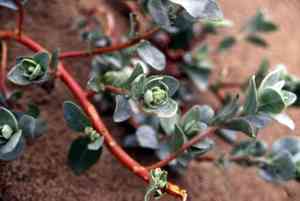
A littoral variety, beach saltbush flourishes in sandy substrates and salty conditions. Reproduction is generally accomplished via cuttings. Employ semi-hardwood cuttings for superior outcomes, making sure they are situated in a free-draining substrate. Arid, sandy earth is ideal. Guarantee steady hydration without saturation. Cuttings establish roots most effectively with temperate warmth and diffused illumination. Consistent observation and upkeep are crucial.
Optimal Period for Propagating Beach Saltbush
Propagation Method
Cutting
Propagation Period
Spring,Summer
Tools Utilized in Beach Saltbush Propagation
Pruning Shears
Pruning shears are employed to make clean, precise cuts from the parent plant. This aids in minimizing plant stress and encouraging faster root development in beach saltbush cuttings.
Rooting Hormone
A rooting hormone in powder or gel form can be applied to the cut end of beach saltbush cuttings to stimulate root growth and enhance the propagation success rate.
Propagation Trays
Propagation trays are crucial for organizing and maintaining beach saltbush cuttings in a controlled setting. They facilitate consistent soil moisture and easy transport.
Sterilized Potting Mix
Utilizing a sterile potting mix for beach saltbush cuttings ensures that young plants are not exposed to soil-borne diseases and pests, which is vital for their healthy development.
Humidity Dome
A humidity dome placed over the propagation tray helps maintain elevated humidity levels, which is essential for reducing water loss and promoting root formation in beach saltbush cuttings.
Spray Bottle
A spray bottle is used to regularly mist beach saltbush cuttings, ensuring the soil and cuttings remain moist without becoming saturated.
Heating Mat
A heating mat positioned beneath the propagation tray provides consistent warmth, which can accelerate root growth and improve the overall success rate of propagating beach saltbush.
Labels
Labels are important for tracking propagation dates and any specific conditions applied to different sets of beach saltbush cuttings, assisting in the monitoring and evaluation process.
How to Propagate Beach Saltbush?
Propagation Difficulty
Moderately Difficult
Caring for Your Newly Propagated Beach Saltbush
Caring for Your Newly Propagated Beach Saltbush
Following successful root establishment, gradually introduce beach saltbush to more direct sunlight over several weeks. Water moderately, allowing the top inch of soil to dry between waterings. Provide occasional feeding with a balanced, slow-release fertilizer. Ensure good air circulation around the plants to prevent fungal issues and monitor for pests. Prune as needed to encourage a bushier growth habit and remove any dead or damaged parts.
Common Errors to Avoid When Propagating Beach Saltbush
Overwatering
While beach saltbush can thrive in coastal conditions, excessive watering can lead to root rot and fungal problems, hindering successful propagation.
Poor Drainage
Using soil that does not drain effectively can suffocate the roots, leading to health issues and unsuccessful propagation.
Incorrect Soil Type
Employing nutrient-rich soil instead of sandy, well-drained soil can result in poor growth, as beach saltbush is adapted to more arid, coastal environments.
Improper Light Conditions
Providing too much shade can impede the growth of beach saltbush. This plant requires ample sunlight to flourish.
Advice for Propagating Beach Saltbush
Utilize Well-draining Soil
Ensure the planting medium is sandy or well-drained to mimic beach saltbush's natural environment, preventing root problems.
Moderate Watering
Water moderately, allowing the soil to dry out between watering sessions to prevent root rot.
Provide Full Sun
Beach saltbush thrives in full sunlight, so select a location with ample light exposure for successful growth.
Cuttings from Healthy Plants
Take cuttings from healthy, mature plants to increase the likelihood of successful propagation.



