How to Transplant Cooper's milkvetch?
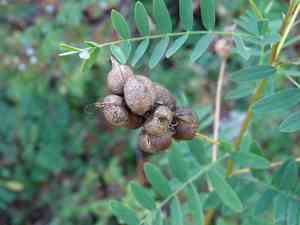
The most favorable period for relocating cooper's milkvetch spans from the beginning to the end of spring, facilitating root establishment prior to the summer warmth. Guarantee a bright, adequately drained spot for thriving development. Suitable circumstances ensure a seamless and advantageous procedure.
What Preparations are Needed Before Relocating Cooper's Milkvetch?
What is the Ideal Time for Relocating Cooper's Milkvetch?
The best period for moving cooper's milkvetch, a perennial, spans from early spring's beginning to late spring's conclusion. This timeframe allows for maximum root development prior to summer's stresses. Relocating during this window promotes superior growth, vitality, and adaptation to its new spot, as moderate temperatures and increased humidity support root formation.
How Much Space Should You Leave Between Cooper's Milkvetch Plants?
When relocating cooper's milkvetch, ensure each plant is spaced 18-24 inches (45-60 cm) apart. This provides ample room for expansion and air circulation, which helps prevent disease and ensures robust development.
What is the Best Soil Mix for Cooper's Milkvetch Relocation?
For cooper's milkvetch, prepare soil that drains well and is rich in organic material. Loamy soil is most suitable. Before relocating, incorporate a balanced, all-purpose fertilizer to give it a nutrient-rich start.
Where Should You Relocate Your Cooper's Milkvetch?
Choose a sunny spot for relocating cooper's milkvetch. This plant thrives in full sun, requiring at least 6-8 hours of direct sunlight daily to grow strong and healthy.
What Equipments Should You Prepare Before Relocating Cooper's Milkvetch?
Gardening Gloves
To safeguard your hands while handling soil and the plant.
Shovel or Spade
For excavating around and beneath the plant's root ball.
Trowel
To assist with planting the cooper's milkvetch in its new position.
Garden Hose or Watering Can
To hydrate the plant before and after relocation.
Pruners
To trim any damaged roots during the relocation process.
Compost or Organic Matter
To enrich the soil in the new planting hole.
How Do You Extract Cooper's Milkvetch from the Soil?
How Do You Extract Cooper's Milkvetch from the Soil?
From Ground: First, moisten the cooper's milkvetch plant to dampen the soil. Then, dig a wide trench around the plant using a shovel or spade, ensuring the plant's root ball remains intact. Carefully work the spade under the root ball to lift the plant from its original spot.From Pot: Thoroughly water the cooper's milkvetch plant. Gently tap the pot's sides to loosen the soil. Invert the pot while supporting the plant with your hand. Carefully slide the plant out, keeping the root ball whole.From Seedling Tray: Water the seedlings to facilitate removal. Use a trowel or spoon to gently lift each seedling from the tray, ensuring to support the roots and surrounding soil.
Step-by-Step Guide for Relocating Cooper's Milkvetch
Site Preparation
Prepare the new planting site by digging a hole twice as wide and equally deep as the cooper's milkvetch's root ball. Ensure the soil at the hole's base is loose to aid root establishment.
Plant Extraction
Follow the appropriate method (From Ground, From Pot, From Seedling Tray) to carefully remove the cooper's milkvetch from its initial location.
Plant Placement
Position the cooper's milkvetch in the center of the prepared hole, ensuring the root ball's top is level with the surrounding soil. Backfill the hole with soil, gently firming it around the plant's base.
Water Thoroughly
Water the newly relocated cooper's milkvetch immediately after planting to settle the soil and eliminate air pockets. Ensure the water reaches the root zone.
How Do You Care For Cooper's Milkvetch After Relocation?
Watering
Keep the soil around the cooper's milkvetch consistently moist, but not waterlogged, for the initial weeks after relocation to help establish strong roots.
Mulching
Apply a layer of mulch around the plant to retain moisture and regulate soil temperature.
Monitoring
Regularly inspect the cooper's milkvetch for signs of stress, such as wilting or yellowing leaves, and adjust care practices accordingly.
Protecting
Consider using a temporary shade cloth or protective barrier to shield the cooper's milkvetch from intense sunlight and strong winds while it adjusts to its new environment.
Troubleshooting Common Issues with Cooper's Milkvetch Relocation.
When is the best time to relocate cooper's milkvetch?
Early spring to late spring is the ideal time for relocating cooper's milkvetch.
What spacing should I maintain when relocating cooper's milkvetch?
Ensure to space cooper's milkvetch 18-24 inches (45-60 cm) apart for optimal growth.
How should I prepare the soil before relocating cooper's milkvetch?
Ensure the soil is well-drained and enriched with organic compost before relocating cooper's milkvetch.
What depth should I plant cooper's milkvetch during relocation?
Plant cooper's milkvetch at the same depth it was growing in its original container.
How do I protect cooper's milkvetch from relocation shock?
Water cooper's milkvetch well immediately after relocating and keep the soil consistently moist.
Should I prune cooper's milkvetch before relocating?
Yes, lightly prune damaged or weak roots to encourage healthy growth after relocating.
Does cooper's milkvetch need any special watering after relocating?
Yes, water cooper's milkvetch deeply and regularly during the first few weeks after relocating.
How can I ensure cooper's milkvetch roots establish well?
Mulch around cooper's milkvetch to retain moisture and suppress weeds, aiding in root establishment.
What temperature range is ideal for relocating cooper's milkvetch?
Relocate cooper's milkvetch when temperatures are between 50-70°F (10-21°C) for best results.
Is it necessary to fertilize cooper's milkvetch immediately after relocating?
Wait a few weeks before fertilizing cooper's milkvetch to allow roots to acclimate to new soil.



