How to Prune Cooper's milkvetch?
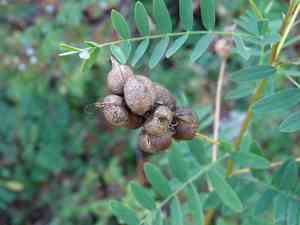
Astragalus cooperi is a hardy herbaceous plant recognized for its dainty, legume-like flowers. The most effective time for trimming is in the early spring or late winter to eliminate deceased or compromised stalks, thereby stimulating robust new development. Ensure you focus on preserving its inherent form and enhancing air movement. Consistent trimming enhances blossoming and prevents ailments. Prudently remove older stalks to revitalize the specimen, fostering more robust and plentiful flowers for the subsequent period.
What Are the Benefits of Pruning Cooper's Milkvetch?
What Are the Benefits of Pruning Cooper's Milkvetch?
Trimming cooper's milkvetch encourages robust development and helps maintain its form. It fosters healthy growth by eliminating dead or diseased sections, boosting pest and disease resistance, and enhancing overall appearance. Regular trimming is crucial for managing size and improving plant vitality.
What Is the Best Time for Pruning Cooper's Milkvetch?
What Is the Best Time for Pruning Cooper's Milkvetch?
Trimming cooper's milkvetch in early spring or late winter is ideal, aligning with the plant's dormant period. Pruning at these times reduces plant stress and promotes vigorous new growth in the upcoming season. Additionally, it aids in removing any dead or diseased wood before the plant resumes active growth, thus preserving its health and strength. Pruning during these intervals also minimizes the risk of disrupting flowering or fruiting, ensuring a strong bloom season.
What Tools Do I Need to Prune Cooper's Milkvetch?
Bypass Pruners
Bypass pruners are perfect for precise cuts on tender stems and new shoots, typical of cooper's milkvetch. They deliver clean cuts, aiding quicker plant recovery.
Hand Pruners
Hand pruners are suitable for removing larger stems or branches. They can handle slightly tougher material that might be found on mature cooper's milkvetch plants.
Hedge Shears
Hedge shears are useful for shaping and trimming multiple stems simultaneously, beneficial for maintaining the size and structure of cooper's milkvetch without causing significant harm to the plant.
Pruning Saw
A pruning saw is necessary for any thicker branches that hand pruners or bypass pruners cannot manage, though cooper's milkvetch typically does not have very large branches.
How to Prune Cooper's Milkvetch
Identify
Carefully inspect cooper's milkvetch to locate any diseased or withered foliage.
Tools
Utilize clean and sharp pruning shears to avoid causing additional stress to the plant.
Trim diseased leaves
Cut away diseased leaves, ensuring complete removal to prevent pathogen spread. Focus on cutting at the base where the leaf meets the stem.
Trim withered leaves
Trim withered leaves similarly, cutting at their base to keep the plant neat and encourage healthy development.
Cleanup
Gather all trimmed leaves from around the base of cooper's milkvetch to prevent any potential disease or pest infestation.
Common Pruning Mistakes with Cooper's Milkvetch
Incorrect technique
Using dull or dirty tools can harm the plant and increase disease risk. It's crucial to use sharp, sterilized pruning shears for clean cuts.
Poor timing
Pruning at the wrong time can disrupt the plant's natural growth cycle, leading to reduced flowering and poor health. Avoid pruning during active growth phases.
Over-pruning
Removing too much foliage at once can stress the plant, reducing its ability to photosynthesize and recover. Moderation is key to maintaining plant health.
Improper cuts
Making cuts too close to the main stem can cause damage and create entry points for pests and diseases. It's important to prune just above a node or lateral branch.
Common Pruning Tips for Cooper's Milkvetch
Maintain shape
Regularly trim back any unruly branches to maintain the desired form and encourage a fuller, more aesthetically pleasing plant.
Remove dead or diseased parts
Always remove dead, damaged, or diseased branches to prevent the spread of pathogens and stimulate healthy growth.
Encourage air circulation
Pruning should focus on thinning out dense areas to improve airflow and reduce the risk of fungal infections.
Use correct tools
Invest in high-quality, sharp pruning shears and ensure they are clean and sanitized before use to minimize the risk of disease transmission.



