How to Propagate Cooper's milkvetch?
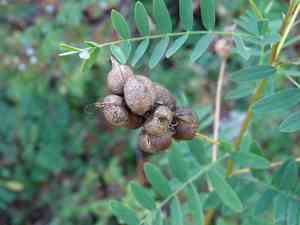
Cooper's milkvetch flourishes in permeable substrates commonly present in its natural environments, needing little care once rooted. Effective reproduction entails planting seeds in a bright, warm spot with adequate airflow. Submerge seeds overnight to boost sprouting. Keep the soil damp but not waterlogged, and guarantee young plants get plenty of light. With suitable circumstances, cooper's milkvetch develops strongly, enriching the ground with beneficial nitrogen via its root structure.
Optimal Period for Cooper's Milkvetch Propagation
Propagation Method
Seeding
Propagation Period
Spring
Equipment for Cooper's Milkvetch Propagation
Seed Tray
A shallow container with multiple sections for planting seeds. Its excellent air circulation and drainage capabilities provide an ideal germination environment for cooper's milkvetch.
Seed Starting Mix
A specially formulated soil blend offering vital nutrients and appropriate moisture retention for the initial growth phases of seedlings. Essential for successful cooper's milkvetch seed germination.
Heating Mat
A flat electric mat positioned beneath seed trays to maintain a consistent, warm soil temperature, which promotes quicker and more uniform cooper's milkvetch germination.
Fine Mist Sprayer
A tool for gently watering seeds and young seedlings without disturbing the soil. It ensures delicate cooper's milkvetch seeds stay in place and receive sufficient moisture.
Transparent Dome
A clear plastic cover placed over the seed tray to create a mini-greenhouse effect. It maintains the high humidity levels necessary for cooper's milkvetch seed germination.
Labeling Stakes
Small markers or tags used to identify different seed varieties. Tracking cooper's milkvetch seeds helps monitor progress and avoid confusion with other species.
pH Testing Kit
An essential device for measuring soil pH levels, ensuring the soil remains within the optimal pH range for cooper's milkvetch germination and growth.
Tweezers
A precision instrument for handling small cooper's milkvetch seeds during planting and thinning. It minimizes damage to fragile seeds and seedlings.
Grow Light
An artificial light source that delivers necessary light wavelengths, ensuring cooper's milkvetch seedlings receive adequate illumination when natural sunlight is absent.
Seedling Transplanter
A tool designed to carefully remove and relocate young seedlings to larger containers or outdoor areas, minimizing root disturbance and fostering healthy growth for cooper's milkvetch.
How to Propagate Cooper's Milkvetch?
Propagation Type
Simple
Caring for Your Newly Propagated Cooper's Milkvetch
Caring for Your Newly Propagated Cooper's Milkvetch
After relocating cooper's milkvetch, water the young plants regularly to help them establish, but allow the soil to dry out between waterings to prevent root rot. Apply mulch around the base to retain moisture and suppress weeds. Prune any damaged or dead growth to maintain plant health and encourage vigorous development. Monitor for pests and diseases, and use appropriate organic or chemical treatments as needed to keep cooper's milkvetch thriving.
Common Errors to Avoid When Propagating Cooper's Milkvetch
Excessive Watering
Overwatering can lead to root rot, which can severely harm or kill cooper's milkvetch. It's vital to let the soil dry out between watering sessions.
Poor Soil Drainage
Using soil that lacks proper drainage can result in waterlogged roots and increased vulnerability to fungal diseases.
Incorrect Light Conditions
Placing cooper's milkvetch in too much shade or direct, intense sunlight can hinder growth and negatively impact propagation efforts.
Inadequate Spacing
Planting seeds or cuttings too close together can lead to poor air circulation, resulting in mold and pest problems.
Using Low-Quality Seeds
Employing seeds that are not fresh or of good quality can reduce germination rates and produce weaker plants.
Tips For Propagating Cooper's Milkvetch
Well-Draining Soil
Utilize a potting mix that ensures good drainage to prevent root rot and other moisture-related issues.
Moderate Watering
Water sparingly, ensuring the soil has thoroughly dried out between waterings to mimic cooper's milkvetch's natural habitat conditions.
Optimal Light
Provide bright, indirect sunlight to encourage healthy growth without exposing cooper's milkvetch to damaging direct rays.
Proper Spacing
Ensure sufficient space between seeds or cuttings to promote airflow and minimize the risk of disease.
High-Quality Seeds
Obtain seeds from reputable suppliers to ensure high germination rates and robust plant development.



