How to Transplant Colton's milkvetch?
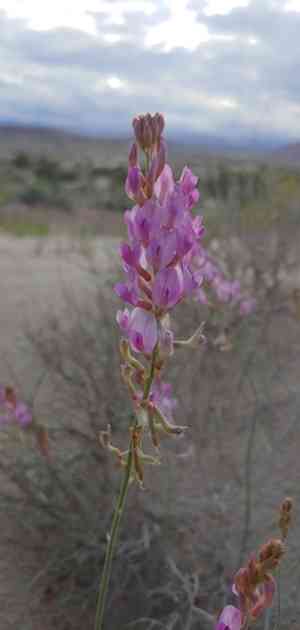
Colton's milkvetch flourishes when relocated between early and late spring, as this timeframe enables it to develop a strong root system prior to the summer warmth. Select a bright, adequately drained location to guarantee vigorous development.
What Preparations are Needed Before Transplanting Colton's Milkvetch?
What is the Ideal Time for Transplanting Colton's Milkvetch?
Colton's milkvetch, a Perennial plant, flourishes when moved from early to late spring. This period provides ideal soil warmth and moisture levels, encouraging robust root development. Relocating during this time maximizes growth potential by aligning with the plantâs natural cycle, ensuring strong development and resilience throughout the growing season.
How Much Space Should You Leave Between Colton's Milkvetch Plants?
When relocating colton's milkvetch, aim to position each plant 18-24 inches (45-60 cm) apart. This guarantees ample room for them to expand and thrive. Happy planting!
What is the Best Soil Mix for Colton's Milkvetch Transplanting?
Prepare well-draining sandy or loamy soil for colton's milkvetch. Improve the soil with a phosphorus-rich base fertilizer to support root growth. Incorporating compost can also boost nutrient content. You're doing great!
Where Should You Relocate Your Colton's Milkvetch?
Place colton's milkvetch in a sunny spot where it will receive at least 6 hours of direct sunlight daily. Full sun exposure is crucial for healthy growth and beautiful blossoms. Keep up the good work!
What Equipments Should You Prepare Before Transplantation Colton's Milkvetch?
Gardening Gloves
To safeguard your hands while handling soil and plants.
Shovel or Spade
For excavating the plant and preparing the new planting site.
Trowel
For more precise work around the root system without causing damage.
Wheelbarrow
To move the plant from one spot to another if necessary.
Pruning Shears
To trim any damaged or dead roots prior to replanting.
Watering Can
For maintaining soil moisture during and after the relocation process.
Stake and String
To support the plant if it is tall or slender.
How Do You Remove Colton's Milkvetch from the Soil?
How Do You Remove Colton's Milkvetch from the Soil?
From Ground: First, irrigate the colton's milkvetch plant to moisten the soil. Next, dig a wide trench around the plant using a shovel or spade, ensuring the plant's root ball remains intact. Carefully work the spade beneath the root ball to lift the plant from its original spot.From Pot: Water the colton's milkvetch plant to settle the soil. Gently tap around the pot's edges to loosen the soil. Carefully tilt the pot to one side and slide the plant out, supporting the plant by its base if needed.From Seedling Tray: Water the colton's milkvetch seedling to facilitate removal. Use a trowel or similar tool to gently lift the seedling from the tray, ensuring the roots remain intact and undisturbed.
Step-by-Step Guide for Transplanting Colton's Milkvetch
Site Preparation
Choose a location that provides adequate sunlight and room for colton's milkvetch to grow. Cultivate the soil and remove any weeds.
Digging the Hole
Excavate a hole twice as wide and as deep as the root ball of colton's milkvetch. This allows the roots ample space to spread.
Adding Compost
Gently mix some compost or organic material into the soil at the bottom of the hole to supply nutrients.
Plant Placement
Position colton's milkvetch into the hole, ensuring the top of the root ball is level with the ground surface. Adjust the depth by adding or removing soil from the hole as needed.
Backfilling
Refill the hole with soil, pressing gently around the root ball to eliminate air pockets. Ensure the plant stands upright.
Watering
Water thoroughly to help the soil settle around the roots. Make sure the water penetrates deeply into the soil.
Mulching
Apply a layer of mulch around the base of colton's milkvetch to retain moisture and suppress weeds.
How Do You Care For Colton's Milkvetch After Transplanting?
Watering
Keep the soil around colton's milkvetch consistently damp, but not waterlogged, for the initial weeks after transplanting to aid in establishing strong roots.
Monitoring
Regularly inspect the plant for any indications of stress, such as wilting or yellowing foliage. Adjust care as necessary.
Support
If colton's milkvetch is tall or slender, provide stakes and string support to prevent it from falling over.
Pruning
Trim any damaged or dead leaves and stems to encourage healthy growth. Avoid extensive pruning immediately after relocation.
Troubleshooting Common Issues with Colton's Milkvetch Transplantation.
When is the best time to transplant colton's milkvetch?
The optimal period to relocate colton's milkvetch is from early spring to late spring for peak growth.
What spacing should I maintain for colton's milkvetch?
Colton's milkvetch should be spaced 18-24 inches (46-61 cm) apart to ensure proper development and health.
How do I prepare the soil for colton's milkvetch?
Ensure the soil is well-drained and enriched with compost to facilitate healthy growth for colton's milkvetch.
What kind of soil is best for colton's milkvetch?
Colton's milkvetch thrives in well-drained, sandy or loamy soil with a neutral to slightly alkaline pH.
How deep should I plant colton's milkvetch roots?
Plant colton's milkvetch at the same depth as it was growing previously to reduce transplant shock.
Should I water colton's milkvetch immediately after transplanting?
Yes, water thoroughly right after transplanting to help the roots settle and begin growing.
How much sunlight does colton's milkvetch need?
Colton's milkvetch requires full sunlight, so select a location that receives at least 6 hours of direct light.
What should I do if colton's milkvetch shows signs of transplant shock?
Provide consistent watering, avoid extreme temperature changes, and use a balanced fertilizer to aid recovery.
How can I prevent pests when transplanting colton's milkvetch?
Maintain good air circulation around the plants and inspect for pests regularly to prevent infestations.
Why are the leaves of colton's milkvetch turning yellow after transplanting?
Yellowing leaves could indicate overwatering or poor drainage. Adjust watering habits and ensure proper soil drainage.



