How to Prune Colton's milkvetch?
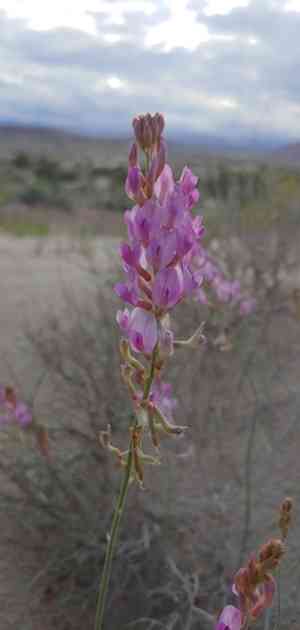
Colton's milkvetch, a unique botanical specimen recognized for its hardiness and flexible development, thrives with trimming from late winter through early spring. Concentrate on excising any lifeless or compromised stalks to improve airflow and encourage robust development. Gentle shaping aids in preserving its inherent structure. Performing this maintenance during these periods fosters energetic re-growth. Consistent observation and minor cuts can avert excessive density and illness, guaranteeing a strong and flourishing plant.
What Are the Benefits of Pruning Colton's Milkvetch?
What Are the Benefits of Pruning Colton's Milkvetch?
Pruning colton's milkvetch helps control its size and promotes robust development. It assists in shaping the plant, keeping it healthy and visually appealing. Additionally, it aids in disease and pest resistance, fostering overall vigor.
What Is the Best Time for Pruning Colton's Milkvetch?
What Is the Best Time for Pruning Colton's Milkvetch?
Trimming or pruning colton's milkvetch is best done in early spring or late winter, aligning with its growth cycle. During this period, colton's milkvetch is dormant, allowing for easier cuts without undue stress. Pruning before the growing season also helps shape the plant and encourages healthy new growth as it becomes active. This timing also ensures that flowering or fruiting processes are not interrupted, preserving the plant's health and yield.
What Tools Do I Need to Prune Colton's Milkvetch?
Hand pruners
Hand pruners are perfect for making precise cuts on the typically thin and delicate stems and branches of colton's milkvetch. They ensure clean cuts without harming the plant.
Bypass pruners
Bypass pruners are recommended for cutting live, green tissue. Their two-blade design guarantees a sharp, clean cut, minimizing disease risk.
Pruning shears
For larger stems and small branches, pruning shears offer extra leverage and power. This tool helps maintain the plant's form and encourages healthy growth.
Disinfectant wipes or solution
To prevent the spread of diseases between plants, it's essential to sanitize pruning tools before and after use. This preserves the health of colton's milkvetch and other garden plants.
How to Prune Colton's Milkvetch
Assess
Carefully inspect the plant to find any diseased or withered leaves that need removal. Make sure to check all parts of colton's milkvetch, focusing on areas with discolored or damaged leaves.
Sterilize
Sanitize your pruning tools before making any cuts. Use a 70% isopropyl alcohol solution or a 10% bleach solution for disinfection, preventing disease transmission.
Reduce spread
Begin by removing diseased leaves, as they can spread pathogens to healthy plant parts. Cut each diseased leaf at its base, making clean cuts to minimize tissue damage.
Remove withered
Next, remove withered leaves that are yellow, brown, or dried. Trim them back to their base or the nearest healthy tissue, being careful not to harm adjacent healthy leaves.
Dispose
Properly discard all removed leaves away from the plant area to prevent potential disease recurrence. Avoid composting diseased plant material to ensure it doesn't re-enter your garden.
Common Pruning Mistakes with Colton's Milkvetch
Over-pruning
Removing too much foliage can stress colton's milkvetch, hindering its ability to photosynthesize and recover.
Improper technique
Using dull or dirty tools can damage stems and introduce diseases. Jagged cuts can also expose more surface area to pathogens.
Pruning at the wrong nodes
Cutting too close or too far from a bud or node can impede new growth and potentially cause dieback.
Pruning too frequently
Frequent pruning, especially of new growth, can prevent colton's milkvetch from developing its natural shape and size, and disrupt its flowering cycle.
Common Pruning Tips for Colton's Milkvetch
Use sharp, clean tools
Always use sterilized, sharp pruners to make clean cuts that heal quickly and reduce disease risk.
Identify and trim dead or diseased wood
Regularly inspect colton's milkvetch and remove any branches showing signs of disease or damage to maintain overall plant health.
Promote air circulation
Thin out crowded areas to improve air flow, which helps prevent fungal infections and encourages stronger growth.
Prune to shape
Trim strategically to maintain colton's milkvetch's natural form. Remove crossing or awkwardly placed branches to enhance its aesthetic appeal.



