How to Transplant Tatarian aster?
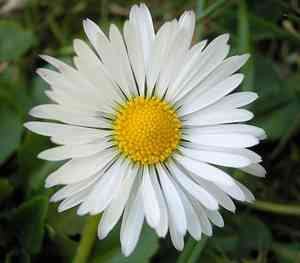
For tatarian aster, the ideal period for relocation is amidst the active development of mid to late spring. Choose a bright spot with soil that drains effectively to foster strong vitality. Careful management of the root system is crucial for successful integration.
What Preparations are Needed Before Transplanting Tatarian Aster?
What is the Ideal Time for Transplanting Tatarian Aster?
The best time to move tatarian aster is from mid to late spring. This period offers mild weather, encouraging root growth without the stress of summer heat. By planting tatarian aster during this season, you boost its chances for development and health, ensuring a smooth transition. Place your tatarian aster in the ground when spring is well underway for seamless establishment and vigorous growth.
How Much Space Should You Leave Between Tatarian Aster Plants?
Begin by spacing your tatarian aster seedlings approximately 2-3 feet (60-90 cm) apart. This provides them ample room to expand and grow without overcrowding. Remember, a bit more space now will lead to healthier development later.
What is the Best Soil Mix for Tatarian Aster Transplanting?
For your tatarian aster, choose soil that drains well. Incorporate some foundational fertilizer into the soil before planting. This enriched soil will offer a nutrient-rich starting point for your tatarian aster to take root. Balanced granular or liquid fertilizers are suitable in this situation.
Where Should You Relocate Your Tatarian Aster?
Find a sunny spot in your garden for the tatarian aster. They thrive in full sunlight. However, they can also endure partial shade. This light exposure helps them achieve their best color and growth.
What Equipments Should You Prepare Before Transplantation Tatarian Aster?
Gardening Gloves
To safeguard your hands while handling soil and plants.
Spade or Shovel
To excavate around the plant for removal from its original spot and for preparing the hole at the new site.
Wheelbarrow or Gardening Cart
To comfortably transport the removed plant.
Garden Fork
To loosen the soil in the new location.
Watering Can or Hose
To hydrate the plant before and after relocation.
How Do You Remove Tatarian Aster from the Soil?
How Do You Remove Tatarian Aster from the Soil?
From Ground: First, water the tatarian aster plant to moisten the soil. Carefully dig around the plant 6-12 inches away from the stem using a spade or shovel. This is done to preserve as many roots as possible for successful transplanting. Once the plant is loose, gently lift it from the ground.From pot: Water the tatarian aster plant sufficiently. Invert the pot, holding the plant at its base with your fingers spread on each side. Gently tap the potâs rim on a firm surface to dislodge the root ball and carefully slide the plant out of the pot.From seedling tray: The tatarian aster plant is typically ready for transplanting when it has at least two sets of true leaves. Dampen the soil and carefully lift the seedling out, holding them by their leaves to avoid damaging the stem or roots.
Step-by-Step Guide for Transplanting Tatarian Aster
Site Selection
Select a location with sufficient room for the tatarian aster to reach its mature size.
Hole Preparation
Prepare a hole as deep as and twice as wide as the root ball using a spade.
Checking the Plant
Inspect the roots and trim any that are broken or damaged. This will encourage new growth and stronger roots after transplant.
Placing the Plant
Position the plant in the hole with the top of the root ball level with the ground surface.
Backfilling the Hole
Refill the hole with soil, pressing it firmly around the root ball. This will eliminate any air pockets.
Watering
Water the tatarian aster plant thoroughly. Ensure that the soil is adequately moistened but not waterlogged.
How Do You Care For Tatarian Aster After Transplanting?
Mulching
Apply a 2-3 inches layer of organic mulch around (but not touching) the stem. This will help retain moisture and suppress weeds.
Protection
Shield the newly transplanted plant from intense sunlight and strong winds until it establishes itself. In case of severe weather, consider setting a protective barrier around the plant.
Monitoring
Keep an eye on the plant's post-transplant growth. If the tatarian aster shows signs of wilting, it may need more water. On the other hand, yellow or brown leaves could indicate overwatering.
Maintenance
Do not fertilize immediately after transplanting as the roots are too fragile. Wait for about a month before fortifying it with a slow-release fertilizer.
Troubleshooting Common Issues with Tatarian Aster Transplantation.
When is the best time to transplant tatarian aster?
The optimal period to move tatarian aster is during its second to third growth phases, which generally aligns with late spring to early summer. This allows them ample time to become established before the cold weather arrives.
How much space should I leave between tatarian aster plants?
For healthy development, provide generous spacing of approximately 2-3 feet (60-90 cm) between each tatarian aster plant. This enables them to grow and spread without encroaching on each other's space.
What kind of soil is best for transplanting tatarian aster?
Tatarian aster thrives in well-drained soil rich in organic matter. Choose a soil that drains quickly but retains enough moisture to support the plant's growth.
How should I prepare the spot to transplant tatarian aster?
First, you should loosen the soil to a depth of about 12 inches (30 cm). Improve the site with some compost or organic material. This will create a fertile base for tatarian aster.
What is the correct technique to dig up tatarian aster for transplanting?
Use a pointed spade to dig around tatarian aster, starting a few inches away from the stem. Gently lift the plant from the bottom to keep as many roots intact as possible.
How deep should I plant tatarian aster during transplantation?
Tatarian aster should be planted at the same level it was growing in its previous location. As a general guideline, the hole for the transplant should be twice as wide and the same depth as the root ball.
Should I fertilize tatarian aster immediately after transplanting?
Avoid using strong fertilizer right after transplanting. Instead, enrich the soil with compost or a mild organic-based feed. As tatarian aster begins to establish, you can adjust the feeding accordingly.
How much should I water tatarian aster after transplanting?
Once transplanted, water tatarian aster thoroughly. Thereafter, establish a consistent watering schedule depending on the weather. The key is to keep the soil moist, but not overly saturated.
My transplanted tatarian aster appears wilted. What should I do?
Don't worry if tatarian aster wilts a bit after transplanting. It's common while the plant adjusts to its new environment. Keep it watered and it should recover after a few days.
Why are the leaves of my transplanted tatarian aster turning yellow?
Yellowing leaves could be due to transplant shock, overwatering, or nutrient deficiency. Review your care routine. If everything seems fine, you might consider having the soil tested for nutrient content.



