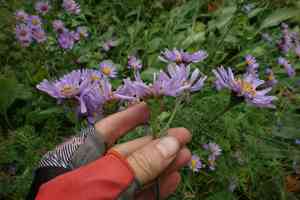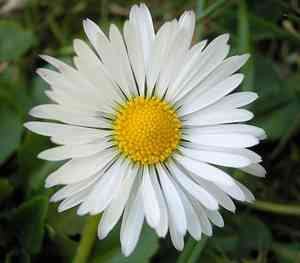
Tatarian aster(Aster tataricus)

Tatarian aster (Aster tataricus)

Also known as: Tartarian Aster, Tartarianow's aster

In hanakotoba, the Japanese language of flowers, the Tatarian aster (Aster tataricus) represents the sentiment "I will not forget you." Known as 'gaemi-chwi' in Korea, this edible flower is frequently incorporated into traditional Korean dishes.

Attributes of Tatarian aster

Lifespan
Perennial
Plant Type
Herb
Plant Height
40 cm to 50 cm
Spread
1.2 m
Leaf Color
Dark green
Flower Size
2.5 cm to 4.5 cm
Flower Color
Yellow Pink Purple

ForwardPlant - Identify plants with a snap

Identify and diagnose plants, get toxicity alerts, and explore safety guides for all types of fungi.

Try for Free

Images of Tatarian aster

Tatarian aster(Aster tataricus)

Quickly Identify Tatarian aster

1
Identifying Aster tataricus involves looking for its tall stems, which can reach up to 2 meters, and its bright purple, daisy-like flowers that have yellow centers. The leaves are long, lance-shaped, and have coarse, serrated edges.

Scientific Classification of Tatarian aster

Phylum
Vascular plants
Class
Dicotyledons
Order
Asters bellflowers fanflowers and allies
Family
Daisy
Genus
Asters
Species
Tatarian aster

Planting and Growing of Tatarian aster

Care Difficulty
Easy
Watering Schedule
Every 8 days
Sunlight Requirements
Full sun
Sunshine Duration
4-10 hours
Ideal Temperature
60-75℉
Soil Type
Potting Mix, Peat Mix
Soil pH
6.5-7.5
Fertilizer Type
Balanced
Pruning Season
Spring, Summer
Pruning Area
Branches, Leaves
Pruning Frequency
2 times a year
Repotting Season
Spring
Pot Type
Plastic, Ceramic

water icon How to Water Tatarian aster?

When watering Aster tataricus, aim for approximately 500 milliliters per session. The principle here is to provide enough water to moisten the soil evenly, but ensure that the top inch is dry between waterings. This helps keep the roots healthy by preventing waterlogging while ensuring they don't dry out completely.
What are the symptoms of an underwatered Tatarian aster?
What should I do if my Tatarian aster is not getting enough water?
What are the symptoms of an overwatered Tatarian aster?
How to save an overwatered Tatarian aster?

sunlight icon What Are the Sunlight Requirements for Tatarian aster?

Sunlight Requirements: Full sun, Partial sun
Duration of light: 6 to 8 hours
Aster tataricus grows ideally in full to partial sun, which enhances its bloom size and color intensity, and strengthens its overall growth resilience.
What type of sunlight is best for Aster tataricus?
How to achieve ideal sunlight for Aster tataricus?
What are the benefits of ideal sunlight for Aster tataricus?
More About Sunlight Requirements Techniques

temperature icon What Is the Ideal Temperature Range for Tatarian aster?

Ideal Temperature: 60 ~ 75℉
The ideal temperature range for Aster tataricus is between 60°F and 75°F. This range provides the best conditions for optimal growth, flowering, and overall health. Maintaining temperatures within this range ensures the plant's physiological processes, such as photosynthesis and transpiration, occur efficiently.

soil icon What Soil is Best for Tatarian aster?

Soil type: Loam, Sandy loam
Soil PH: 6.5 ~ 7.5
Aster tataricus thrives in well-drained soil, preventing waterlogging which can damage roots. Good drainage ensures root aeration and reduces disease risk, promoting healthy growth and vibrant blooms. The plant prefers soils with moderate fertility, which provide necessary nutrients without over-fertilizing. This balance encourages robust root development and lush foliage, enhancing the overall aesthetic of the plant. Soils that retain moisture while allowing excess water to drain are ideal. Consistent moisture supports the plant's growth and flowering, ensuring it remains vigorous throughout the growing season.

fertilize icon How to Fertilize Tatarian aster?

Fertilizer type: Balanced
When fertilizing Aster tataricus, use a balanced 10-10-10 liquid fertilizer. For liquid applications, dilute it to 50% strength and apply about 1 liter per plant. For slow-release fertilizers, apply around 25 grams per plant. This ensures that the plant receives an adequate amount of nutrients without overwhelming its growth cycles.

prune icon How to Prune Tatarian aster?

Pruning Time: Spring, Summer, Autumn
Ensure your pruning shears are clean and sharp to make smooth, clean cuts. This helps prevent disease entry points and minimizes plant stress, ensuring cuts heal quickly and efficiently. While light trimming is beneficial, avoid heavy pruning before winter as this can expose tender growth to frost damage. Focus on removing dead or damaged stems after flowering and leave major pruning until the plant is dormant. More About Pruning Techniques

propagate icon How to Propagate Tatarian aster plant?

Propagate Time: Spring, Early summer, Autumn
1
Before beginning, prepare a well-draining soil mix by combining equal parts of potting soil, sand, and peat moss. Ensure the soil is free from any debris or stones to facilitate root growth.
2
For cutting propagation, select a healthy plant and snip a stem section about 4-6 inches long. Remove the lower leaves to prevent rot and dip the cut end in rooting hormone before planting.
3
If using seeds, plant them at a shallow depth, approximately 1/4 inch into the soil. Ensure seeds are spaced adequately to allow for proper growth and water them gently after planting.
More About Propagating Techniques

repot icon How to Repot Tatarian aster plant?

Repotting frequency: Every 2-3 years
1
Repot Aster tataricus when you notice roots circling around the pot's circumference, or the plant showing stunted growth. Spring and autumn are ideal times for this process when the plant is not in its active blooming phase, allowing it to recover and establish better in a new pot.
2
Choose a pot that is just one size larger than the current one. A pot that is too large can retain excessive moisture, increasing the risk of root rot. The new pot should have adequate drainage holes to allow excess water to escape, maintaining proper aeration for the roots.
3
Opt for well-draining loamy soil, enhanced with organic compost to provide essential nutrients. This soil composition supports healthy root development without waterlogging, maintaining a balance between moisture retention and drainage, which is crucial for the plant's vitality.

ForwardPlant - Identify plants with a snap

Find the best spots for them to optimize their health, simply using your phone.

Try for Free

Toxicity of Tatarian aster

Is Tatarian aster toxic to humans?

The Tatarian aster has a low level of toxicity to humans, which can lead to negative effects if ingested. Every part of the plant, including its leaves, stems, and flowers, is deemed toxic. Upon ingestion, individuals may suffer from various symptoms such as gastrointestinal distress, nausea, vomiting, and diarrhea. Although the mild toxicity of the Tatarian aster indicates that while symptoms may be uncomfortable, they are generally not fatal. It is crucial for people, especially those who might encounter Tatarian aster in their natural surroundings, to exercise caution and steer clear of unintentional consumption of any part of the plant to avoid the onset of these symptoms.

Identify toxic plants for your safety

Learn which plants are harmful to you and your pets, and make informed choices for a safer home!

Try for Free
WARNING
The judgment on toxicity and danger is for reference only. We DO NOT GUARANTEE any accuracy of such judgment. Therefore, you SHALL NOT rely on such judgment. It is IMPORTANT TO SEEK PROFESSIONAL ADVICE in advance when necessary.
More About Toxic Techniques