How to Prune Tatarian aster?
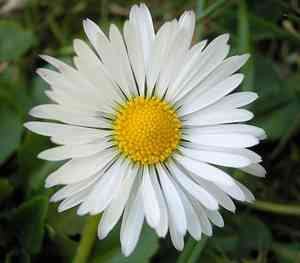
Hailing from East Asia, tatarian aster is a resilient perennial recognized for its elevated height and violet blossoms in autumn. To sustain vitality, trim old stalks to the soil level in late winter or early spring prior to the emergence of fresh growth. Remove faded blooms to stimulate ongoing flowering. For managing dimensions and contour, perform light pruning during the summer. The advantages of pruning encompass fostering a dense structure, inhibiting self-propagation, and encouraging a strong burst of new flowers.
What Are the Benefits of Pruning Tatarian Aster?
What Are the Benefits of Pruning Tatarian Aster?
Trimming tatarian aster promotes more flowers, ensures strong development by eliminating dead or weak stems, and helps keep its desired compact form, improving its garden appeal.
What Is the Best Time for Pruning Tatarian Aster?
What Is the Best Time for Pruning Tatarian Aster?
Trimming tatarian aster in late winter to early spring, before new growth begins, is optimal as it helps maintain the plant's shape, encourages vigorous new growth, and allows for the removal of any damaged or diseased stems before the plant expends energy on them. This timing also prevents any disruption of flowering since tatarian aster blooms on new wood. Additional light trimming may be performed after flowering in summer or fall to remove spent blooms and foster a neat appearance, but heavy pruning should be avoided to not hinder the next year's growth and bloom cycle.
What Tools Do I Need to Prune Tatarian Aster?
Hand Pruners
Ideal for making precise cuts on tatarian aster's smaller, more delicate stems, ensuring a clean cut that promotes healthy regrowth.
Loppers
Perfect for cutting through thicker branches that hand pruners cannot manage, providing the extra leverage needed for tatarian aster with denser growth.
Pruning Saw
Used for the thickest branches of tatarian aster that require more cutting power, ensuring a clean cut without damaging the plant.
Garden Shears
Useful for shaping and trimming the edges of tatarian aster to maintain a desirable bushy appearance without over-pruning.
Pruning Gloves
Protects the gardener's hands from thorns and rough plant material while working on tatarian aster, ensuring safety and comfort during the pruning process.
How to Prune Tatarian Aster
Remove Diseased Leaves
Identify and carefully cut away any diseased leaves from tatarian aster. Use sterilized, sharp scissors or pruners to prevent infection. Make clean cuts close to the base of each affected leaf to avoid damaging healthy tissue.
Trim Withered Leaves
Examine tatarian aster for withered leaves, which may indicate old age or stress. Gently remove these leaves by cutting them at the base where they meet the stem, ensuring not to harm new growth or buds developing nearby.
Deadhead Flowers
Locate withered flowers on tatarian aster and snip them off just above the first set of healthy leaves below the bloom. This encourages further flowering and prevents the plant from expending energy on seed production.
Thin Stems
If tatarian aster is overcrowded, thin out stems selectively to improve airflow and light penetration. Cut stems at their base where they emerge from the ground or main branch, focusing on the removal of the weakest stems to give space to stronger ones.
Shape Plant
Shape tatarian aster by trimming back overgrown areas to maintain an aesthetically pleasing form. Always cut above a leaf node or lateral branch to promote healthy new growth in the desired direction.
Common Pruning Mistakes with Tatarian Aster
Dull Tools
Using dull pruning tools can result in jagged cuts that may leave tatarian aster vulnerable to disease and pests.
Over Pruning
Removing too much of tatarian aster's foliage at once can stress the plant and potentially reduce its vigor and bloom production.
Improper Cut Location
Cutting too far above or below the leaf nodes can prevent proper healing or encourage the growth of unwanted shoots.
Pruning Into Old Wood
Tatarian aster may not readily regrow from old wood, so cutting into it too severely can leave unsightly gaps or reduce flowering.
Ignoring Plant Shape
Failing to consider the natural shape of tatarian aster when pruning can lead to an unnatural appearance and less ideal growth patterns.
Common Pruning Tips for Tatarian Aster
Sharp Tools
Use sharp, clean pruning shears to make clean cuts that tatarian aster can heal from quickly, reducing the risk of disease.
Selective Pruning
Selectively remove only the necessary parts of tatarian aster to maintain plant health and aesthetic, focusing on dead or weak stems to promote robust growth.
Node Cuts
Make cuts at a 45-degree angle just above a leaf node or bud to encourage healthy new growth in the desired direction.
Rejuvenation
Periodically perform rejuvenation pruning by cutting back a third of the oldest stems to ground level in early spring to stimulate tatarian aster's vitality.
Balance
Strive for a balanced approach that maintains the natural form of tatarian aster while allowing light and air to penetrate the plant, fostering healthy growth and blooming.



