Enhancing Your Garden Design with the Tatarian aster Plant: A Landscaping Guide
1
Tatarian aster brings vivid hues and stature to garden settings.
2
Tatarian aster flourishes optimally in soil that drains well and receives sufficient sun.
3
Combining Tatarian aster with suitable companion plants can heighten its aesthetic charm.
Introducing Tatarian Aster into Your Landscape
Why Tatarian aster is an excellent choice for garden designs
If you aim to incorporate a truly remarkable element into your garden, Tatarian aster presents an outstanding option. Its vivid hue and impressive height allow Tatarian aster to stand out, bringing depth and visual appeal to any outdoor space. Its robust nature makes it simple for both new and seasoned gardeners to maintain. Beyond its aesthetic charm, Tatarian aster resists drought and flourishes in diverse soil types, making it a flexible selection for many gardens.
Understanding the visual appeal of Tatarian aster
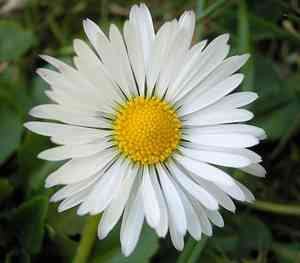
Beyond its practical advantages, Tatarian aster offers undeniable visual charm. Its clusters of small, star-shaped blossoms form a picturesque display, especially when planted in large quantities. The striking contrast between the flowers and the green foliage can serve as a central point in a garden. Whether you desire a wild, cottage garden aesthetic or a more structured, formal design, Tatarian aster can seamlessly integrate into your plan.
Selecting the Ideal Spot for Tatarian Aster
Evaluating light exposure and soil conditions
Prior to planting Tatarian aster, it's essential to assess the prospective site's light and soil characteristics. Tatarian aster thrives in full sun but can endure partial shade. Ensure the soil drains well, as excessively moist soil can lead to root decay. Performing a basic soil test can help determine if any amendments are needed. Incorporating compost or organic matter can enhance soil structure, fostering a healthy environment for Tatarian aster to flourish.
How to determine the best placement in your garden
Deciding where to position Tatarian aster within your garden involves considering both aesthetic and functional aspects. Ponder how Tatarian aster's stature will interact with nearby plants and structures. Placing Tatarian aster at the rear of a garden border can establish a striking backdrop for shorter plants. Alternatively, utilizing it as a focal point in a circular bed can draw attention inward. Always consider Tatarian aster's growth habit to ensure it has ample room to expand and thrive.
Planting and Initial Care for Tatarian Aster
A step-by-step guide to planting Tatarian aster
Begin by digging a hole twice the width of the root ball but no deeper. Position Tatarian aster in the hole so that the top of the root ball is level with the ground surface. Backfill the hole with soil, gently firming it around the roots to remove air pockets. Water thoroughly after planting to help settle the soil. Adding a layer of mulch can aid in retaining moisture and suppressing weeds, promoting a healthy start for your Tatarian aster.
Key advice for the first few weeks
The initial weeks are critical for Tatarian aster's establishment. Water the plant regularly but avoid over-saturating the soil. Monitor the moisture level by checking the soil; it should be damp but not waterlogged. If you observe any signs of stress, such as wilting or yellowing leaves, adjust the watering schedule accordingly. Fertilizing isn't immediately necessary if the soil is rich, but a balanced, slow-release fertilizer can encourage growth if required.
Combining Tatarian Aster with Other Plants
Companion plants for Tatarian aster
To enhance Tatarian aster's beauty, consider pairing it with plants that complement its color and form. Ornamental grasses, with their contrasting textures, can create a lovely juxtaposition. Perennials like coneflowers or black-eyed Susans can add varied heights and colors, creating a dynamic and balanced landscape. Select plants that thrive in similar conditions as Tatarian aster to ensure a harmonious and healthy garden.
Designing your layout: Strategies for plant arrangement
Effective plant grouping involves understanding both the requirements and visual impact of each plant. Group Tatarian aster with plants that share similar water and light needs to maximize their health and growth. Strategically place Tatarian aster in odd-numbered clusters, as this creates a more natural and pleasing arrangement. Consider layering - tall plants like Tatarian aster at the back, medium-height plants in the middle, and shorter plants in the front for a tiered effect.
Seasonal Upkeep for Tatarian Aster
Preparing Tatarian aster for seasonal changes
As the seasons shift, so do the requirements of your Tatarian aster. In autumn, cutting back the stems to approximately 6 inches can help prepare the plant for winter. Mulching around the base can shield the roots from frost. In spring, prune any dead or damaged stems to encourage new growth. Regularly check for pests and diseases, addressing them promptly to prevent harm.
Essential tasks for year-round maintenance
Throughout the year, several key tasks will keep your Tatarian aster in prime condition. Regular removal of spent flowers encourages continuous blooming. Water during dry periods, ensuring the soil doesn't become too arid. Fertilize in the early growing season to provide the plant with a nutrient boost. Periodically inspect for signs of pests or disease and take necessary action to maintain your Tatarian aster's health.



