How to Transplant Wild birdnest fern?
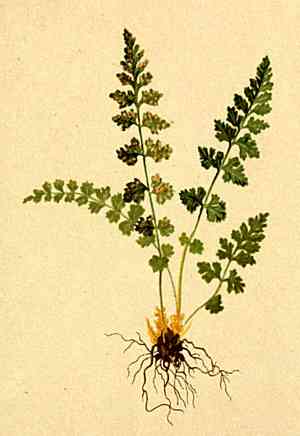
The wild birdnest fern flourishes when relocated between late summer and mid-autumn, benefiting from the moderate climate. Provide a dim, moist environment for ideal development. If necessary, exercise caution to prevent harm to the root system.
What Preparations are Necessary Before Relocating Wild Birdnest Fern?
What is the Optimal Period for Relocating Wild Birdnest Fern?
Wild birdnest fern, a perennial plant, flourishes most when moved in late summer through mid-fall. These periods enable wild birdnest fern to establish roots prior to winter dormancy. Transplanting at this time reduces stress and maximizes growth potential by providing suitable temperatures and moisture levels, vital for healthy root development.
How Much Space Should You Provide Between Wild Birdnest Fern Plants?
When relocating wild birdnest fern, ensure each plant is positioned 18-24 inches (45-60 cm) apart to allow ample room for growth and air circulation. This spacing helps prevent overcrowding and potential disease issues.
What is the Best Soil Mixture for Wild Birdnest Fern Relocation?
Prepare well-draining soil rich in organic material to support wild birdnest fern. Incorporating compost or a balanced, slow-release fertilizer (like 10-10-10) before planting will supply essential nutrients. Aim for a slightly acidic to neutral pH (6.0-7.0).
Where Should You Move Your Wild Birdnest Fern?
Wild birdnest fern thrives in partial to full shade with indirect sunlight. Choose a spot that receives filtered light or morning sun but is shielded from intense midday rays. This prevents the plant from experiencing stress due to excessive sunlight.
What Tools Should You Prepare Before Relocating Wild Birdnest Fern?
Gardening Gloves
To safeguard your hands while handling soil and the plant.
Shovel or Spade
For excavating the plant and creating a new planting site.
Watering Can or Hose
To hydrate the plant before and after its relocation.
Tarp or Wheelbarrow
To move the plant if necessary.
Hand Trowel
For more precise digging and adjusting soil around the plant.
Pruning Shears
To trim any damaged or dead fronds during the relocation process.
How Do You Extract Wild Birdnest Fern from the Soil?
How Do You Extract Wild Birdnest Fern from the Soil?
From Ground: First, water the wild birdnest fern plant to moisten the soil. Then, dig a wide trench around the plant using a shovel or spade, ensuring the plant's root ball remains intact. Carefully work the spade under the root ball to lift the plant from its original spot.From Pot: Water the wild birdnest fern plant thoroughly. Gently tap the pot's sides to loosen the soil. Hold the plant's base, invert the pot, and carefully slide the plant out, keeping the root ball whole. Gently untangle any circling roots.From Seedling Tray: Dampen the soil around the wild birdnest fern seedlings. Use a hand trowel to carefully lift the seedlings by their root ball from the tray. Be cautious not to harm the delicate roots.
Step-by-Step Guide for Relocating Wild Birdnest Fern
Site Preparation
Prepare the new planting location by digging a hole that is twice as wide and just as deep as the root ball of the wild birdnest fern plant.
Plant Placement
Position the wild birdnest fern plant into the hole, ensuring it is at the same depth as it was in its previous spot. The top of the root ball should be level with the surrounding soil.
Backfilling Soil
Fill the hole with soil, gently firming it around the root ball to remove air pockets. Avoid over-compacting the soil.
Watering
Water the plant thoroughly immediately after relocating to help settle the soil and provide moisture to the roots.
Mulching
Apply a layer of mulch around the base of the wild birdnest fern plant to help retain moisture and regulate soil temperature.
How Do You Care For Wild Birdnest Fern After Relocation?
Watering
Keep the soil around the wild birdnest fern consistently moist, but not waterlogged, for the initial weeks after relocating to aid in establishing strong roots.
Monitoring
Regularly inspect the plant for signs of stress such as wilting or discoloration and adjust care as needed.
Protection
Provide shelter from extreme weather conditions if necessary, such as using a shade cloth during intense sunlight or a frost cloth during cold periods.
Pruning
Remove any damaged or dead fronds to encourage new growth and maintain plant health.
Troubleshooting Common Issues with Wild Birdnest Fern Relocation.
When is the best time to transplant wild birdnest fern?
The optimal period to move wild birdnest fern is late summer to mid-fall for ideal growth.
What's the ideal spacing for transplanting wild birdnest fern?
Space wild birdnest fern 18-24 inches (45-60 cm) apart to allow sufficient growth and airflow.
How deep should I plant wild birdnest fern?
Plant wild birdnest fern at the same depth it was previously growing to prevent stress.
What type of soil is best for wild birdnest fern?
Use well-draining, fertile soil with plenty of organic matter for optimal results.
How should I prepare the soil for wild birdnest fern?
Loosen the soil and mix in compost to enrich it before relocating wild birdnest fern.
How much water does wild birdnest fern need after transplanting?
Water wild birdnest fern thoroughly after relocating and keep the soil consistently moist, not saturated.
How can I reduce transplant shock for wild birdnest fern?
Relocate wild birdnest fern during cool, cloudy days and water well to minimize shock.
Should I fertilize wild birdnest fern after transplanting?
Wait a few weeks before fertilizing wild birdnest fern to let it acclimate to its new spot.
What should I do if wild birdnest fern wilts after transplanting?
Ensure wild birdnest fern gets adequate water and place in a shaded area temporarily if required.
How do I know if wild birdnest fern is successfully transplanted?
Look for new growth after a few weeks; it indicates successful relocation of wild birdnest fern.



