How to Prune Wild birdnest fern?
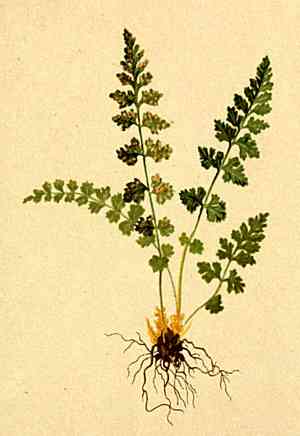
The wild birdnest fern is an epiphytic variety characterized by its substantial, unsegmented, spoon-like fronds, which frequently arrange themselves into a rosette. To encourage robust development, perform pruning on wild birdnest fern in early spring or late winter by excising any fronds that are deceased, compromised, or afflicted. Cut these back to the plant's base, taking care not to sever any healthy parts. This trimming improves the access of light and air circulation, thereby diminishing the likelihood of fungal ailments. Consistent upkeep ensures the wild birdnest fern retains its lively appearance and structured shape, contributing to its general well-being and visual charm.
Benefits of Trimming Wild Birdnest Fern
Benefits of Trimming Wild Birdnest Fern
Trimming wild birdnest fern encourages robust development and helps maintain its form. Consistent cutting ensures healthy leaves, prevents crowding, and lowers the chance of pests and illnesses. This keeps wild birdnest fern visually appealing and flourishing in various garden environments.
Optimal Time for Trimming Wild Birdnest Fern
Optimal Time for Trimming Wild Birdnest Fern
Early spring and late winter are ideal periods to trim wild birdnest fern. Pruning during these seasons leverages the plant's natural growth cycle. In late winter, wild birdnest fern is typically dormant, which minimizes stress and potential harm to the plant. Early spring trimming stimulates new growth as the plant emerges from dormancy, ensuring strong and healthy development. Additionally, these times usually precede the plant's main growth, flowering, or fruiting phases, allowing for better shape management and improved overall health.
Tools Required for Trimming Wild Birdnest Fern
Bypass Pruners
Perfect for making clean cuts on small, delicate fronds. The bypass mechanism ensures minimal harm and precise trimming.
Sharp Scissors
Suitable for detailed trimming and removing dead or damaged fronds. Sharp scissors offer control and accuracy.
Pruning Saw
Essential for cutting thicker stems or old, woody sections. A small pruning saw enables gardeners to safely and effectively remove tougher parts.
Gloves
Protect hands from potential irritants or cuts while handling and trimming the plant.
Disinfectant
To sanitize tools before and after pruning, preventing disease spread. Maintaining plant health is crucial.
Soft Brush
Used for gentle cleaning of the plant's base and fronds to remove debris without causing injury.
How to Trim Wild Birdnest Fern
Identification
Examine wild birdnest fern closely to pinpoint diseased or withered leaves. Look for discoloration, spots, or any signs of decay.
Sterilization
Before starting the trimming process, sterilize your pruning tools (shears or scissors) with alcohol or a bleach solution to prevent disease transmission.
Cutting Diseased Leaves
Carefully cut off diseased leaves at their base where they meet the main stem. Ensure these leaves are disposed of away from wild birdnest fern to prevent potential disease spread.
Removing Withered Leaves
Gently trim withered leaves, making clean cuts close to the base. Be sure not to damage healthy tissue surrounding the withered leaves.
Check and Clean
After trimming, inspect wild birdnest fern for any remaining debris and clean the pruning tools again. This ensures the continued health of wild birdnest fern and readiness for future use.
Common Trimming Errors with Wild Birdnest Fern
Over-trimming
A frequent mistake is over-trimming, which can stress wild birdnest fern and impede its growth. Removing too many fronds at once can reduce the plant's ability to photosynthesize, leading to poor health.
Incorrect tool usage
Using dull or unsuitable tools can harm wild birdnest fern. Without sharp pruning shears, cuts may be jagged and increase susceptibility to disease.
Cutting healthy fronds
Unnecessarily cutting healthy fronds is a common error. Trimming should primarily focus on removing damaged, diseased, or dead fronds.
Timing misunderstandings
Some gardeners mistakenly believe that wild birdnest fern requires frequent trimming throughout the year. While periodic checks are beneficial, constant pruning can be detrimental.
General Trimming Advice for Wild Birdnest Fern
Utilize sharp tools
Always use sharp, clean pruning shears to make precise cuts and minimize infection risk. Sanitizing tools before use is also important.
Focus on damaged fronds
Prioritize removing damaged, yellowed, or diseased fronds. This will help maintain the plant's appearance and health without causing undue stress.
Avoid excessive trimming
Limit the number of fronds you remove at one time. It's generally safe to remove up to 20% of the plant's fronds, but it's better to be conservative, especially if the plant is not thriving.
Priscing method
When trimming wild birdnest fern, make cuts at the base of the frond just above the rhizome. This minimizes damage to the plant and promotes healthy regrowth.
Regular inspections
Conduct regular visual checks to identify any fronds that need removal due to damage or disease. This proactive approach ensures timely intervention without constant pruning.



