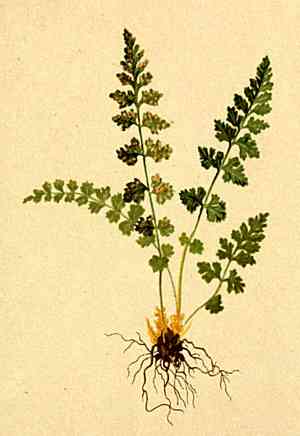
Wild birdnest fern (Asplenium serratum)
Also known as: Bird's-nest Fern, Wild Bird's-nest Fern
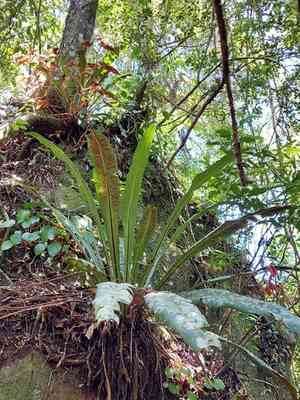
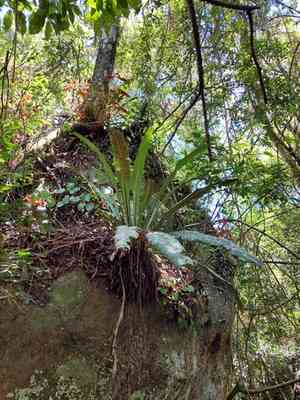
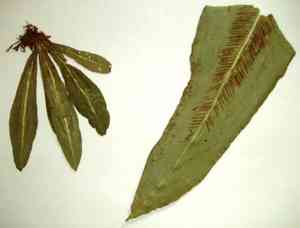
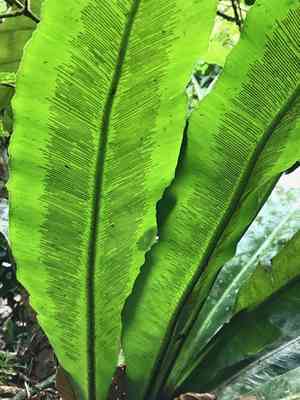
Asplenium nidus, known as the bird's nest fern, features large, simple fronds that resemble banana leaves. These fronds typically range from 50 to 150 cm in length and 10 to 20 cm in width. They are light green and often have a crinkled appearance with a distinct black midrib. The fronds exhibit circinate vernation, unfurling in a coiled manner. Spores are produced in sori located on the underside of the fronds.
In This Article
Attributes of Wild birdnest fern
Lifespan
Perennial
Plant Type
Fern
Plant Height
1 to 3 feet
Spread
1 to 2 feet
Leaf Color
Glossy green
Flower Size
Not applicable
Flower Color
Not applicable
Images of Wild birdnest fern
Quickly Identify Wild birdnest fern
1
To identify Asplenium serratum, look for its distinctive large, undivided fronds that are lance-shaped and radiate from a central point, resembling a bird\'s nest. The fronds typically have slightly wavy edges and a glossy green surface.
Scientific Classification of Wild birdnest fern
Phylum
Vascular plants
Class
Ferns
Order
Polypodiales
Family
Spleenwort
Genus
Spleenworts
Species
Wild birdnest fern
Planting and Growing of Wild birdnest fern
Care Difficulty
Moderate
Watering Schedule
Every 3 days
Sunlight Requirements
Partial sun
Sunshine Duration
6-10 hours
Ideal Temperature
65-75℉
Soil Type
Potting Mix, Peat Mix
Soil pH
6.5-7.5
Fertilizer Type
Balanced
Pruning Season
Spring, Summer
Pruning Area
Branches, Leaves
Pruning Frequency
2 times a year
Repotting Season
Spring
Pot Type
Plastic, Ceramic
 How to Water Wild birdnest fern?
For Asplenium serratum, it's important to provide a consistent watering schedule. You should aim to give it about 250 milliliters each time. This amount ensures that the soil is adequately moist, supporting the plant's tropical nature without leaving it soaked. The key is to water until you see a slight runoff from the bottom of the pot to confirm even soil saturation.
What are the symptoms of an underwatered Wild birdnest fern?
›
What should I do if my Wild birdnest fern is not getting enough water?
›
What are the symptoms of an overwatered Wild birdnest fern?
›
How to save an overwatered Wild birdnest fern?
›
 What Are the Sunlight Requirements for Wild birdnest fern?
Asplenium serratum performs optimally in partial sun to full shade conditions. This range ensures adequate photosynthesis without leaf damage, promoting lush and healthy foliage.
What is the best type of light for Asplenium serratum?
›
How can you ensure Asplenium serratum gets ideal light conditions?
›
What benefits does Asplenium serratum gain from ideal lighting?
›
 What Is the Ideal Temperature Range for Wild birdnest fern?
Asplenium serratum thrives best in a temperature range between 65°F and 75°F. These conditions mimic the warm and humid environments of their native habitats. Maintaining this temperature range ensures optimal growth and the healthiest foliage development.
 What Soil is Best for Wild birdnest fern?
Asplenium serratum thrives in nutrient-rich soil that provides essential nutrients for optimal growth. Using compost can boost soil fertility, ensuring lush, green fronds. Maintaining a consistently moist environment is crucial for Asplenium serratum. The right soil mix retains moisture without becoming waterlogged, promoting healthy root development. To prevent root rot, well-draining soil is vital for Asplenium serratum. This type of soil ensures excess water is easily drained away, reducing the risk of overwatering.
 How to Fertilize Wild birdnest fern?
For Asplenium serratum, use a balanced liquid fertilizer diluted to half-strength at each application. Avoid over-fertilizing as it can lead to root burn and other issues. An ideal amount is 1 teaspoon per gallon of water, ensuring even distribution.
 How to Prune Wild birdnest fern?
Start by identifying old, brown, or damaged fronds that are no longer beneficial to the plant. You can easily spot these as they will lack the plant's usual lush green vibrancy. Use clean, sharp scissors or pruning shears to cut the identified fronds at their base, removing them entirely from the plant. This encourages new growth and helps keep the plant looking its best. For areas with congestion, lightly trim fronds to improve airflow. This will help in reducing the risk of mold and promote a healthier environment for the plant's growth.
More About Pruning Techniques→
 How to Propagate Wild birdnest fern plant?
1
Start by thoroughly watering the Asplenium serratum a day before division to make extraction easier and less stressful for the plant.
2
Carefully remove the plant from its container. Use a sharp knife or spade to divide the roots into sections, ensuring each section has ample roots and fronds.
3
Place each division into a prepared pot with suitable fern potting mix. Water thoroughly and keep the soil consistently moist for successful establishment.
 How to Repot Wild birdnest fern plant?
1
For Asplenium serratum, the best time to repot is when you notice the roots are starting to emerge from the drainage holes. This is a clear indicator that the plant has outgrown its current pot and requires more space to continue thriving. Repotting should ideally be done during the growing seasons, such as spring or summer, to give the fern the best chance for adjustment and healthy growth.
2
When choosing a new pot for your Asplenium serratum, opt for one that is only slightly larger than the current one. This helps prevent overwatering issues, as too much soil retains excessive moisture. Also, ensure the pot has sufficient drainage holes to avoid root rot and keep the plant's roots aerated, promoting healthier growth and preventing fungal infections.
3
Select a rich, well-draining potting mix for your Asplenium serratum. The ideal soil should contain components like peat moss or coconut coir to retain necessary moisture, along with sand or perlite to promote drainage. This mixture mimics the plant's natural habitat and prevents waterlogging, thereby protecting the roots from rot and maintaining optimal soil health.



