How to Transplant Asplenium sagittatum?
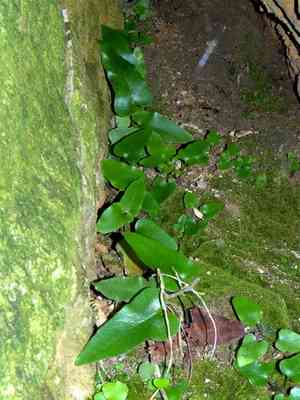
Asplenium sagittatum flourishes most effectively when relocated from late spring through mid-summer, or from early to mid-autumn. Select a shaded spot featuring damp, adequately draining earth for its peak development. Shield it from intense, direct solar exposure to guarantee its successful rooting.
What Preparations are Necessary Before Relocating Asplenium Sagittatum?
What is the Optimal Period for Relocating Asplenium Sagittatum?
The best times for moving asplenium sagittatum are from late spring through mid-summer or early to mid-autumn. During these periods, the ground is typically warm, aiding root development, and the weather is mild, lessening transplant stress. Relocating asplenium sagittatum at these times encourages robust growth and allows the plant to adapt before extreme seasonal temperatures arrive.
How Much Space Should You Provide Between Asplenium Sagittatum Plants?
Ensure a separation of 12-18 inches (30-45 cm) between each asplenium sagittatum specimen. This will provide adequate air circulation and allow each plant sufficient room to flourish without competing for nutrients.
What is the Best Soil Mixture for Asplenium Sagittatum Relocation?
Prepare a well-draining soil with a pH ranging from slightly acidic to neutral (6.0-7.0). Incorporate a balanced, slow-release fertilizer to give asplenium sagittatum an initial nutrient boost. Adding compost can also improve soil quality.
Where Should You Replant Your Asplenium Sagittatum?
Select a spot that receives partial to full shade, as excessive direct sunlight can harm asplenium sagittatum. An area that gets morning sun and is shaded in the afternoon is ideal.
What Tools Should You Prepare Before Relocating Asplenium Sagittatum?
Gardening Gloves
To safeguard your hands while handling soil and the plant.
Hand Trowel
For excavating small holes and managing the soil around the plant.
Spade or Shovel
For digging larger holes and trenches to move the plant.
Garden Fork
For loosening the soil surrounding the plant's root system.
Pruners
For trimming any damaged or superfluous roots or leaves during the relocation.
Watering Can or Hose
To hydrate the plant before and after its transfer.
Mulch
To help maintain soil moisture after the transplant.
How Do You Extract Asplenium Sagittatum from the Ground?
How Do You Extract Asplenium Sagittatum from the Ground?
From Ground: First, water the asplenium sagittatum plant to moisten the soil. Then, dig a wide trench around the plant using a shovel or spade, ensuring the plant's root ball remains intact. Carefully work the spade beneath the root ball to lift the plant from its original spot.From Pot: Gently water the asplenium sagittatum plant a few hours before its transfer. Tap the sides of the pot to loosen the soil, then carefully slide the plant out by holding the base of the stem and supporting the root ball. If the plant is stuck, use a hand trowel to loosen the soil edges inside the pot.From Seedling Tray: Water the asplenium sagittatum seedlings a few hours prior to their removal. Use a hand trowel to gently lift each seedling from the tray, ensuring minimal disturbance to the roots. If the seedlings are very small, you might use fingers to carefully lift them out, keeping as much of the soil attached to the roots as possible.
Step-by-Step Guide for Relocating Asplenium Sagittatum
Pre-Removal Watering
Ensure the asplenium sagittatum plant is thoroughly watered in its current location before removal. This helps reduce stress and makes the soil easier to manage.
Selecting the Right Moment
Relocate during the cooler parts of the day, such as early morning or late afternoon, to minimize transplant shock.
Preparing the New Site
Dig a hole in the new location that is twice as wide and as deep as the root ball of the asplenium sagittatum plant. Ensure the hole is spacious enough to comfortably accommodate the plant.
Planting the asplenium sagittatum
Place the plant in the prepared hole, ensuring it is at the same depth as it was in its original spot. Backfill the hole with soil, pressing gently to eliminate any air pockets.
Post-Transplant Watering
Water the asplenium sagittatum plant thoroughly after relocating to settle the soil around the roots and aid in its establishment.
How Do You Care For Asplenium Sagittatum After Relocation?
Watering
Keep the soil around the asplenium sagittatum consistently moist, but not waterlogged, for the initial weeks after relocation to help establish strong roots.
Mulching
Apply a layer of mulch around the base of the asplenium sagittatum to retain moisture and stabilize soil temperature.
Support
If the asplenium sagittatum plant is tall or top-heavy, consider using stakes to provide support as it adapts to its new environment.
Monitoring
Regularly check for signs of transplant stress, such as wilting or yellowing leaves, and take corrective measures like adjusting water levels or providing shade.
Addressing Common Issues with Asplenium Sagittatum Relocation.
When is the best time to relocate asplenium sagittatum?
Relocate asplenium sagittatum from late spring to mid-summer or early fall to mid-fall for optimal results.
How much space should be between asplenium sagittatum plants?
Space asplenium sagittatum plants 12-18 inches (30-45 cm) apart to allow for proper growth and air circulation.
What type of soil is ideal for relocating asplenium sagittatum?
Asplenium sagittatum thrives in well-draining, slightly acidic to neutral soil enriched with organic matter.
How do you prepare asplenium sagittatum for relocation?
Water asplenium sagittatum thoroughly a day before relocating to facilitate root extraction and minimize shock.
What should you do if asplenium sagittatum wilts after relocating?
Ensure asplenium sagittatum is watered regularly and consider using a shade cloth to reduce transplant shock.
How can you minimize root damage when relocating asplenium sagittatum?
Use a sharp spade to dig around asplenium sagittatum and lift it with a substantial root ball intact.
What type of fertilizer should you use when relocating asplenium sagittatum?
Use a balanced, slow-release fertilizer to provide essential nutrients for asplenium sagittatum during relocation.
How often should you water asplenium sagittatum after relocating?
Water asplenium sagittatum thoroughly after relocating and keep the soil consistently moist, not soggy.
Is it necessary to prune asplenium sagittatum before relocating?
Pruning isn't essential but trimming damaged leaves can help asplenium sagittatum focus energy on root establishment.
How do you acclimate asplenium sagittatum to its new location?
Gradually expose asplenium sagittatum to its new environment by increasing light and outdoor time daily.



