How to Prune Asplenium sagittatum?
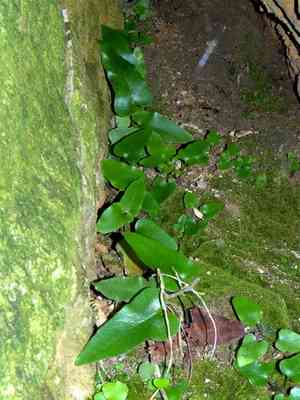
Asplenium sagittatum, a fern distinguished by its arrow-like foliage, thrives with limited trimming to eliminate withered or compromised fronds. The ideal period for this upkeep is in late winter or early spring, right before fresh development commences. Trimming not only neatens the plant but also fosters more robust, healthier growth. Verify that cutting implements are clean and sharp to avert the spread of pathogens.
Advantages of Trimming Asplenium Sagittatum
Advantages of Trimming Asplenium Sagittatum
Trimming asplenium sagittatum is crucial for maintaining its form and promoting robust development. Consistent cutting helps prevent excessive growth, ensuring asplenium sagittatum stays appealing and thriving, aligning with its environmental needs.
Optimal Period for Trimming Asplenium Sagittatum
Optimal Period for Trimming Asplenium Sagittatum
Trimming asplenium sagittatum during late winter or early spring aligns well with its dormant phase. At this time, asplenium sagittatum exhibits reduced metabolic activity, minimizing stress and improving recovery post-trimming. This timing also prepares the plant for a strong growth surge typically seen in spring, allowing asplenium sagittatum to heal quicker and efficiently direct energy to new growth. Avoiding pruning during active growth periods helps prevent disruptions to the plant's natural development and blooming cycle, thereby preserving its health and vigor.
Necessary Tools for Trimming Asplenium Sagittatum
Sharp scissors or garden shears
Given the delicate nature of asplenium sagittatum's foliage, sharp scissors or garden shears are advised for making clean cuts. This prevents harm to the plant's fronds, ensuring healthier growth and look.
Fine-tipped pruning shears
Fine-tipped pruning shears are perfect for precise removal of dead or unhealthy fronds. Their design allows for focused trimming, vital for preserving the beauty and health of asplenium sagittatum.
How to Trim Asplenium Sagittatum
Preparation
Gather your tools before beginning the trimming process for asplenium sagittatum. Use sharp, clean scissors or pruning shears to ensure accurate cuts and prevent disease transmission.
Identification
Carefully examine asplenium sagittatum to pinpoint diseased and withered leaves. Diseased leaves may show signs of discoloration or spots, while withered leaves will appear dry and lifeless.
Sanitation
Trim the diseased and withered leaves at their base, close to the stem. Ensure you do not harm the healthy parts of asplenium sagittatum during this process. Make a clean cut to facilitate rapid healing.
Disposal
Properly discard the removed leaves. Do not compost as diseased leaves might spread pathogens. Sealing in a plastic bag and disposing of in the trash is recommended.
Cleaning
After trimming, clean your tools with a disinfectant solution to remove any plant sap or residue that could harbor disease pathogens. This step is crucial for maintaining the health of asplenium sagittatum and other plants.
Frequent Trimming Errors with Asplenium Sagittatum
Excessive trimming
Removing too much foliage from asplenium sagittatum can weaken the plant. Generally, it's advised not to remove more than one-third of the plant's total foliage in a single trimming session.
Incorrect cut placements
Cutting leaves of asplenium sagittatum in the wrong spot can hinder regrowth. Always trim close to the base of the leaf, near the central stalk, to encourage healthy new growth.
Neglecting plant health
Trimming asplenium sagittatum when it is unhealthy or stressed can worsen the plant's problems. Always ensure asplenium sagittatum is in good health before performing any trimming.
General Trimming Advice for Asplenium Sagittatum
Clean tools
Use sterilized cutting tools to prevent the spread of diseases. Disinfect shears or knives before trimming asplenium sagittatum to ensure a clean cut.
Target dead leaves
Focus trimming efforts on removing dead or dying leaves first. This helps asplenium sagittatum direct energy towards healthier and more vigorous growth.
Maintain shape
Regularly trim asplenium sagittatum to retain its natural shape and encourage a fuller appearance. Cut back any outlying leaves to maintain aesthetic and structural balance.



