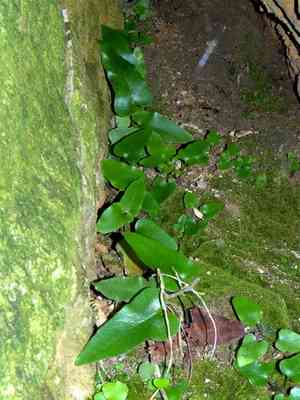
Asplenium sagittatum (Asplenium sagittatum)
Also known as: Lance Fern
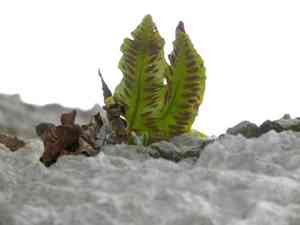
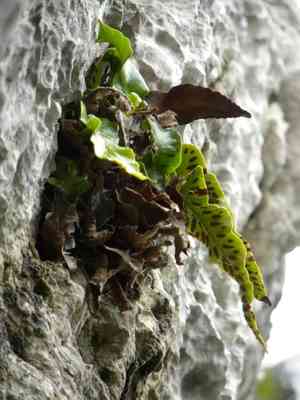
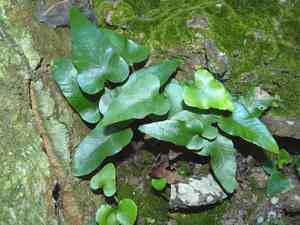
The plant reaches a stature height of 10 to 50 cm. Older fronds are heart- or pike-shaped to palmate with 3-5lappiger Spreite. The middle lobe is longer than the lateral. The strip-shaped sori are arranged obliquely to the midrib along the leaf veins. The spores mature from fall to summer. The chromosome number is 2n = 72.
In This Article
Attributes of Asplenium sagittatum
Lifespan
Perennial
Plant Type
Fern
Plant Height
30-60 cm
Spread
N/A
Leaf Color
Glossy green
Flower Size
N/A
Flower Color
N/A
Images of Asplenium sagittatum
Quickly Identify Asplenium sagittatum
1
Look for lance-shaped fronds that are typically elongated and narrow. The fronds often have a glossy green appearance with a distinct midrib and are finely divided into smaller leaflets.
Scientific Classification of Asplenium sagittatum
Phylum
Vascular plants
Class
Ferns
Order
Polypodiales
Family
Spleenwort
Genus
Spleenworts
Species
Asplenium sagittatum
Planting and Growing of Asplenium sagittatum
Care Difficulty
Easy
Watering Schedule
Every 2 days
Sunlight Requirements
Partial sun
Sunshine Duration
6-10 hours
Ideal Temperature
60-75℉
Soil Type
Potting Mix, Peat Mix
Soil pH
6.5-7.5
Fertilizer Type
Balanced
Pruning Season
Spring, Summer
Pruning Area
Branches, Leaves
Pruning Frequency
2 times a year
Repotting Season
Spring
Pot Type
Plastic, Terracotta
 How to Water Asplenium sagittatum?
Asplenium sagittatum thrives on a consistent moisture level, so each watering session should provide about 200 ml of water. Ensure the top layer of the potting mix is thoroughly moistened, but avoid creating a waterlogged environment in the pot.
What are the symptoms of an underwatered Asplenium sagittatum?
›
What should I do if my Asplenium sagittatum is not getting enough water?
›
What are the symptoms of an overwatered Asplenium sagittatum?
›
How to save an overwatered Asplenium sagittatum?
›
 What Are the Sunlight Requirements for Asplenium sagittatum?
Asplenium sagittatum thrives in partial shade to full shade lighting. Appropriate lighting encourages robust growth, maintaining its lush and vibrant frond development.
What are the optimal lighting conditions for Asplenium sagittatum?
›
How can I provide the ideal lighting for this plant?
›
What benefits does Asplenium sagittatum gain from proper lighting?
›
 What Is the Ideal Temperature Range for Asplenium sagittatum?
Asplenium sagittatum thrives in indoor environments with a temperature range between 60°F and 75°F. Consistent temperatures within this range promote optimal growth, healthy leaf coloration, and robust structural integrity. This plant prefers moderately warm conditions similar to its native habitat.
 What Soil is Best for Asplenium sagittatum?
Asplenium sagittatum thrives best in well-drained soil, which prevents waterlogging that could damage the roots. Proper drainage ensures the roots have access to oxygen and nutrients, allowing for healthy growth, lush fronds, and a robust plant structure. The plant enjoys a nutrient-rich soil environment, which supports its lush foliage and vigorous growth. Incorporating organic matter, such as compost, helps maintain nutrient levels and promotes the overall health and visual appeal of Asplenium sagittatum. Maintaining consistent soil moisture without waterlogging is crucial for the plant's health. Loamy soils efficiently retain moisture, providing the plant with a stable environment that supports even growth and prevents stress due to inconsistent watering.
 How to Fertilize Asplenium sagittatum?
For Asplenium sagittatum, use a balanced liquid fertilizer diluted to half strength. Each application should provide enough nutrients without overwhelming the plant. Over-fertilization can burn the delicate roots, so measure carefully; approximately 1 tablespoon per gallon of water is optimal.
 How to Prune Asplenium sagittatum?
Begin by inspecting the plant for any fronds that appear brown, dead, or damaged. These should be removed first as they no longer serve the plant and may inhibit new growth. Locate fronds that are growing too densely and trim them to improve air circulation and light penetration. Cut these back to the base or where they naturally bifurcate, following the contour of the plant for a natural look. While shaping, consider the plant's natural form. Aim to enhance its natural beauty by trimming minimally and evenly around the plant, maintaining a balanced silhouette.
More About Pruning Techniques→
 How to Propagate Asplenium sagittatum plant?
1
Choose a mature, robust Asplenium sagittatum with multiple fronds that is not flowering. This ensures that the plant is strong enough to withstand division.
2
Water the plant thoroughly a day before division to reduce stress. Carefully remove it from its pot or dig up from the ground, taking care to keep as much of the root system intact as possible.
3
Using a sterilized knife or spade, divide the root ball into sections, ensuring each section has at least a few fronds and sufficient roots. Avoid tearing roots unevenly to minimize damage.
 How to Repot Asplenium sagittatum plant?
1
You should consider repotting Asplenium sagittatum when roots start to appear through the drainage holes or the plant seems to outgrow its current container. Spring and summer are ideal seasons, as the plant is in its active growth phase. New growth at the base of the plant is another sign.
2
Select a pot that is one size larger (about 2-3 inches wider) than the current one to give roots space to grow. Ensure that the pot has adequate drainage holes, which prevent root rot by allowing excess water to escape, maintaining healthy aeration.
3
Opt for a rich, well-draining soil mix that can retain some moisture without becoming waterlogged. A mix containing peat, perlite, and pine bark is perfect, offering the balance of water retention, drainage, and nutrients, which Asplenium sagittatum loves.



