How to Propagate Asplenium sagittatum?
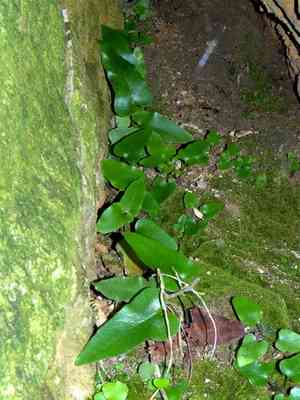
Asplenium sagittatum flourishes when reproduced via the division method, a simple and efficient approach for this particular fern species. Gently separate the rhizomes, making sure every piece possesses sufficient roots and leaves. Place these separated portions in damp, adequately draining substrate under diffused illumination to encourage vigorous, strong development. Consistent irrigation and a steady atmosphere will aid in the successful rooting and multiplication of asplenium sagittatum.
Optimal Period for Asplenium Sagittatum Propagation
Propagation Method
Division
Propagation Period
Spring,Autumn
Essential Tools for Asplenium Sagittatum Propagation
Sharp, Clean Cutting Tool (e.g., pruning shears, knife)
This instrument is vital for making precise and clean cuts when separating asplenium sagittatum. Clean cuts help prevent harm to the plant's delicate roots and leaves, reducing infection and stress. A sharp blade ensures the division process is swift and doesn't crush plant tissues, which is crucial for asplenium sagittatum's health and rapid recovery.
Sterilizing Agent (e.g., isopropyl alcohol, bleach solution)
Utilized to sanitize the cutting tool before and after dividing asplenium sagittatum. Sterilization prevents disease transmission between plants, especially important for sensitive species like asplenium sagittatum. Using a sterilizing agent ensures all propagations occur in a hygienic setting, promoting healthier growth and development.
Watering Can with a Gentle Shower Head
Crucial for providing newly divided asplenium sagittatum with soft watering that doesn't disrupt the soil or root arrangement. Proper hydration is key after division to help asplenium sagittatum recover and establish in its new environment. The gentle shower head ensures even water distribution without causing erosion or exposing roots.
Quality Potting Mix
An appropriate potting mix offers support and the necessary nutrients for asplenium sagittatum to flourish post-division. The mix should drain well yet retain moisture to meet the needs of asplenium sagittatum, which typically prefers a humid environment. The potting mix also aids root growth and stability in the new containers.
Pots with Drainage Holes
These are necessary for potting the newly divided asplenium sagittatum. Containers with adequate drainage are critical to prevent waterlogging, which can lead to root rot and other moisture-related ailments. Ensuring each division has its own pot promotes individual health and lessens resource competition.
Labeling Materials (e.g., tags, markers)
Used to mark each new division of asplenium sagittatum with relevant details such as the division date and specific care instructions. Labeling is important for monitoring progress and maintaining the care regimen of each plant division, which aids in successful propagation and growth.
Method for Propagating Asplenium Sagittatum
Propagation Type
Easy
Post-Propagation Care for Asplenium Sagittatum
Post-Propagation Care for Asplenium Sagittatum
After propagating asplenium sagittatum, place the new pots in filtered light and maintain consistent humidity, mimicking asplenium sagittatum's natural forest floor habitat. Avoid direct sunlight as it can scorch the fronds. Water moderately when the top inch of the soil feels dry, and ensure pots have good drainage to prevent soggy soil conditions, which can lead to root rot. New growth typically appears after a few weeks, indicating successful propagation and establishment.
Common Errors to Avoid When Propagating Asplenium Sagittatum
Overwatering
Excessive watering can cause root rot, which is harmful to the plant's health. Asplenium sagittatum prefers moist but not waterlogged soil.
Improper light conditions
Placing asplenium sagittatum in direct sunlight can scorch its fronds, while insufficient light can impede its growth. It thrives in indirect, filtered light.
Poor soil selection
Using heavy, poorly draining soil can suffocate the roots. Asplenium sagittatum benefits from a well-draining, loose, and airy potting mix.
Incorrect humidity levels
Failure to maintain adequate humidity can result in frond browning and crisping. Asplenium sagittatum thrives in a humid environment.
Neglecting sterilization
Not sterilizing tools and equipment can introduce pathogens, leading to diseases. Clean tools are essential for healthy propagation.
Advice for Propagating Asplenium Sagittatum
Use sterile tools
Always use clean, sanitized tools to prevent the spread of diseases and pathogens.
Maintain humidity
Keep the environment humid by misting regularly or using a humidity tray to support optimal growth conditions.
Provide indirect light
Asplenium sagittatum propagates best in bright, indirect light. Avoid direct sun exposure to prevent frond damage.
Monitor water levels
Ensure the soil remains consistently moist but not waterlogged. Good drainage is crucial to prevent root rot.
Choose the right soil mix
Use a well-draining, loose, and airy potting mix to support healthy root development and avoid waterlogging.



