How to Transplant Ebony spleenwort?
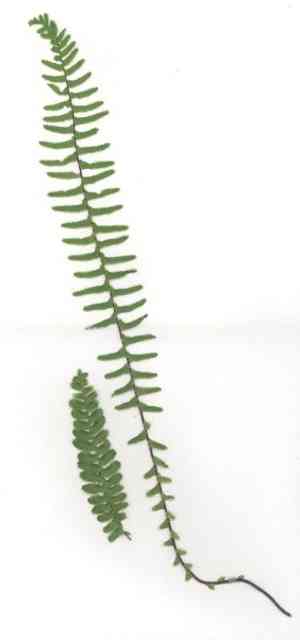
The revitalizing onset of spring's warmth marks the ideal period for relocating ebony spleenwort. Select areas offering shade and soil that is damp yet drains effectively. Exercise caution to safeguard its fragile fronds and root system throughout the procedure.
What Preparations are Needed Before Transplanting Ebony Spleenwort?
What is the Ideal Time for Transplanting Ebony Spleenwort?
The optimal period for moving ebony spleenwort is during the spring months. This timeframe allows ebony spleenwort to establish its root system prior to the peak of summer. Relocating ebony spleenwort in this revitalizing season leverages the mild weather, ensuring a smooth transition for vigorous development.
How Much Space Should You Leave Between Ebony Spleenwort Plants?
When placing ebony spleenwort, provide each plant with approximately 6-12 inches (15-30cm) of room. This guarantees they have ample space to develop without competing for nutrients. Imagine a small ruler's length between each specimen!
What is the Best Soil Mix for Ebony Spleenwort Transplanting?
For ebony spleenwort, the perfect soil blend is rich in humus and drains effectively. Incorporate some compost or organic material to enrich your soil. A small amount of general-purpose slow-release fertilizer will prepare them for a strong beginning.
Where Should You Relocate Your Ebony Spleenwort?
Select a partially shaded location for your ebony spleenwort as they flourish in moderate to light shade. Excessive sun exposure can be detrimental. Consider a spot beneath a tree or on the northern side of your dwelling, perhaps!
What Equipments Should You Prepare Before Transplantation Ebony Spleenwort?
Gardening Gloves
To safeguard your hands from any potential abrasions or irritations while handling the soil.
Shovel
To excavate the hole for relocating ebony spleenwort and to extract it from its initial position.
Watering Can
For hydrating the plant both before and after the relocation process to ensure optimal moisture.
Garden Fork
To loosen the earth around the ebony spleenwort before its removal from its current spot.
How Do You Remove Ebony Spleenwort from the Soil?
How Do You Remove Ebony Spleenwort from the Soil?
From Ground: Begin by thoroughly watering your ebony spleenwort plant until the soil becomes slightly muddy. This will facilitate easier excavation of the plant. Use your shovel to carefully dig a trench around the plant, aiming to keep the root ball intact. Once you have dug sufficiently deep, gently lift the plant from the ground, ensuring the root ball's integrity is maintained.From Pot: Water the plant completely. Turn the pot on its side, hold the plant gently by the stems, and tap the pot's rim to dislodge the plant. You should then be able to safely slide the ebony spleenwort out.From Seedling Tray: Water the seedlings, then carefully separate them, making sure to preserve their root system. Lightly hold a ebony spleenwort seedling by the leaves (never by its stem) and push the bottom with a fork or your fingers to pop it out of the tray.
Step-by-Step Guide for Transplanting Ebony Spleenwort
Site Prep
Prepare the new site by clearing away any debris or unwanted plants. Dig a hole with your shovel that is twice the size of the root ball.
Placement
Position the ebony spleenwort into the hole. The top of the root ball should be level with the ground surface.
Refilling
Backfill the hole with the soil that was initially excavated. Gently compact the soil around the base of the plant.
Watering
Water your newly transplanted ebony spleenwort thoroughly. This aids in settling the soil and minimizes transplant shock.
How Do You Care For Ebony Spleenwort After Transplanting?
Moisture Maintenance
It's vital to maintain a balance in soil moisture. Water the ebony spleenwort plant regularly but avoid overly saturated conditions as this can lead to root decay.
Weed Control
Consistently check for and eliminate any unwanted plants, especially in the initial stages. Weeds can compete with your ebony spleenwort for essential nutrients.
Pest and Disease Check
Regularly inspect your ebony spleenwort for indications of illness or pests. Early detection can help manage any potential infestation.
Troubleshooting Common Issues with Ebony Spleenwort Transplantation.
When is the best time in the year to start transplanting ebony spleenwort?
The optimal time to transplant ebony spleenwort is between season 1 and season 3, when root development is at its peak. This provides the plant a greater chance of adapting to its new location before the more extreme weather of other seasons.
What is the ideal planting distance for ebony spleenwort?
Optimal spacing for ebony spleenwort is about 6-12 inches (15-30 cm). This provides the plant ample room to grow and expand while preventing overcrowding and competition for nutrients.
Why are the leaves of my transplanted ebony spleenwort turning yellow?
Yellow leaves can indicate stress or a lack of nutrients. Ensure that ebony spleenwort is receiving adequate sunlight, water, and nutrient-rich soil. Adjust as necessary to resolve potential deficiencies.
What type of soil is best when transplanting ebony spleenwort?
Ebony spleenwort prefers well-drained soil rich in organic matter. Though tolerant of different soil types, it thrives in slightly acidic conditions. Hence, opt for a pH ranging from 6.0 – 7.0.
Can ebony spleenwort handle full sun in its new location?
Ebony spleenwort is quite adaptable and can tolerate various lighting conditions, but it prefers partial to full shade. Excessive sunlight may cause leaf burn or scorching.
Why isn’t my transplanted ebony spleenwort growing?
Transplant shock could be one reason. Ensure proper watering, soil nutrition, and the correct season for transplanting. Also check for pests or disease that may hinder growth.
How often should I water the ebony spleenwort after transplanting?
Water your ebony spleenwort thoroughly after transplanting and then maintain a schedule of regular watering to keep the soil slightly moist. Overwatering or underwatering can cause damage.
Should I fertilize my ebony spleenwort immediately after transplanting?
No need to rush with fertilizing. Allow ebony spleenwort a few weeks to adjust after transplanting before you introduce any fertilizers. Opt for a balanced, slow-release fertilizer.
How deep should I plant my ebony spleenwort?
When transplanting ebony spleenwort, ensure the root ball is at level or slightly higher than the soil surface. Too deep can cause stem rot or suffocation.
Can the ebony spleenwort be transplanted in a pot?
Yes, you can transplant ebony spleenwort in a pot. Ensure there's plenty of well-draining soil, and the pot size allows for the 6-12 inches (15-30 cm) spacing rule.



