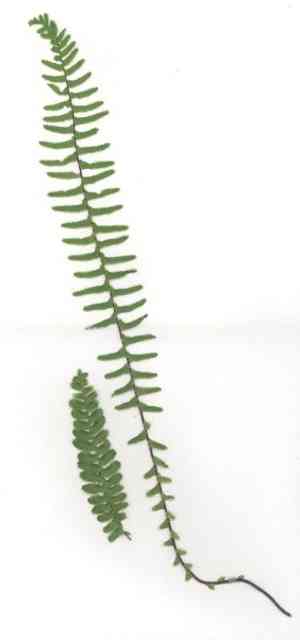
Ebony spleenwort (Asplenium platyneuron)
Also known as: Ebony Spleenwort
The **Ebony Spleenwort (Asplenium platyneuron)** is a petite perennial fern that typically reaches heights of 10 to 51 cm. Its foliage is reminiscent of a small Christmas fern. This fern thrives in partial shade and is frequently found in woodlands, thickets, and on mossy banks. The plant's flowers emerge in the spring, initially green before transitioning to a reddish-brown hue.
In This Article
Attributes of Ebony spleenwort
Lifespan
Perennial
Plant Type
Herb
Plant Height
20 cm to 51 cm
Spread
20 cm to 50 cm
Leaf Color
Green
Flower Size
N/A - Ferns do not produce flowers
Flower Color
N/A - Ferns do not produce flowers
Images of Ebony spleenwort

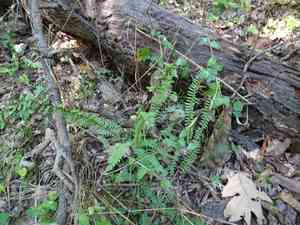
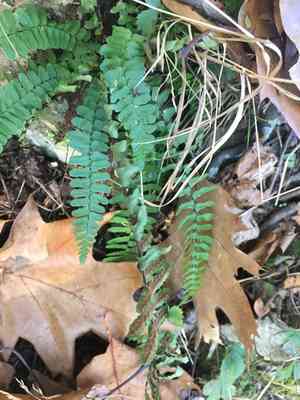
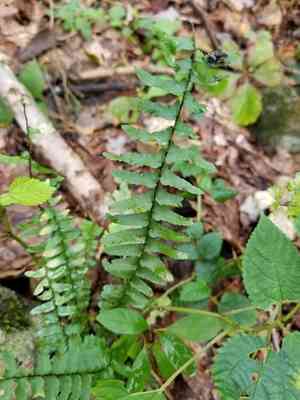
Quickly Identify Ebony spleenwort
1
Shiny, dark stem contrasts with light-green sterile fronds.
2
Fertile fronds are erect, deeper green, and deciduous.
3
Pale, button-like buds aid in vegetative propagation.
4
Slender, evergreen fronds with crenate leaflet edges.
5
Stem is slender, shiny, dark, and minimal branching.
Scientific Classification of Ebony spleenwort
Phylum
Vascular plants
Class
Ferns
Order
Polypodiales
Family
Spleenwort
Genus
Spleenworts
Species
Ebony spleenwort
Planting and Growing of Ebony spleenwort
Care Difficulty
Easy
Watering Schedule
Every 2 days
Sunlight Requirements
Partial sun
Sunshine Duration
8-12 hours
Ideal Temperature
65-75℉
Soil Type
Potting Mix, Peat Mix
Soil pH
6.5-7.5
Fertilizer Type
Balanced
Pruning Season
Spring, Summer
Pruning Area
Branches, Leaves
Pruning Frequency
2 times a year
Repotting Season
Spring
Pot Type
Plastic, Ceramic
 How to Water Ebony spleenwort?
When watering Asplenium platyneuron, it's crucial to provide enough moisture so that the soil is evenly damp but not waterlogged. The plant enjoys consistent moisture, especially during active growth. Water until the top inch of soil is moist, which usually requires about 500 ml of water per session, depending on pot size and environmental conditions.
What are the symptoms of an underwatered Ebony spleenwort?
›
What should I do if my Ebony spleenwort is not getting enough water?
›
What are the symptoms of an overwatered Ebony spleenwort?
›
How to save an overwatered Ebony spleenwort?
›
 What Are the Sunlight Requirements for Ebony spleenwort?
Asplenium platyneuron does well in environments offering partial sun to full shade, ensuring lush foliage. Ideal light supports steady growth and helps prevent leaf burn and other sunlight-induced damage.
More About Sunlight Requirements Techniques→
What type of light is ideal for Asplenium platyneuron?
›
How can I achieve the ideal lighting conditions?
›
What benefits does optimal lighting offer?
›
 What Is the Ideal Temperature Range for Ebony spleenwort?
The ideal temperature for Asplenium platyneuron, also known as the Ebony Spleenwort, falls between 65°F and 75°F. Maintaining this range supports optimal growth and prevents stress on the plant, as the temperature mimics its natural habitat. At these temperatures, the plant can efficiently carry out photosynthesis and nutrient uptake, resulting in vibrant foliage and healthy growth.
 What Soil is Best for Ebony spleenwort?
Asplenium platyneuron thrives in well-drained soil as it prevents waterlogging which can lead to root rot. This type of soil ensures that excess water is efficiently removed, allowing for adequate aeration of the roots, which is critical for their health and growth. This plant requires soil with moderate fertility, as overly fertile soil can encourage excessive foliage at the expense of the roots. Balanced nutrient levels ensure the plant develops healthily with the right proportion of fronds to roots, maintaining its iconic appearance. Consistent moisture levels are essential, as completely dry soil can stress the plant while soggy soil can suffocate the roots. Keeping the soil moist helps maintain a stable environment for Asplenium platyneuron, optimizing its growth conditions.
 How to Fertilize Ebony spleenwort?
For Asplenium platyneuron, a balanced liquid fertilizer diluted to half the recommended strength should be applied. This ensures that the fern receives adequate nutrients without the risk of over-fertilization.
 How to Prune Ebony spleenwort?
Begin by inspecting your Asplenium platyneuron for any fronds that look discolored, wilting, or dead. These are your targets for trimming. Removing them allows the plant to redirect its energy toward healthier growth and overall vitality, helping maintain its lush appearance. Gently hold the base of the frond and make a clean cut close to the base where the frond meets the stem. Avoid cutting the central stem, as this can harm the plant. Making clean cuts ensures a quicker healing process for the plant, limiting exposure to pathogens.
More About Pruning Techniques→
 How to Propagate Ebony spleenwort plant?
1
Before division, water the Asplenium platyneuron thoroughly to ensure it is well-hydrated. Gently remove it from its pot or dig it up carefully, making sure to keep the root ball intact.
2
Using a sharp knife, divide the plant into sections, ensuring each segment has a healthy portion of roots attached. Check each division for any signs of disease, avoiding any weak sections.
3
Plant each division into a separate pot with a mix of peat and well-draining soil. Firmly press the soil around the roots and water them lightly, taking care not to oversaturate the soil.
 How to Repot Ebony spleenwort plant?
1
Asplenium platyneuron signals its need for repotting when the roots start escaping through the drainage holes or when the soil's surface becomes compact and hardened. This typically occurs every two to three years as the plant outgrows its current container, especially if it starts showing signs of reduced growth or wilting despite regular care.
2
Choose a pot that is one or two sizes larger than the current one, with excellent drainage capabilities. A pot that is too large will retain excess moisture, which can lead to root rot. Terracotta pots are ideal due to their porous nature, allowing the soil to breathe and preventing water stagnation, which is crucial for maintaining the health of Asplenium platyneuron.
3
Opt for a well-draining loamy mix that includes organic matter like peat moss and some perlite. This blend ensures that the soil remains loose and airy, which supports healthy root growth. The key is to avoid heavy and compact soils that retain too much moisture, as this can suffocate the roots and lead to issues like root rot.



