How to Prune Ebony spleenwort?
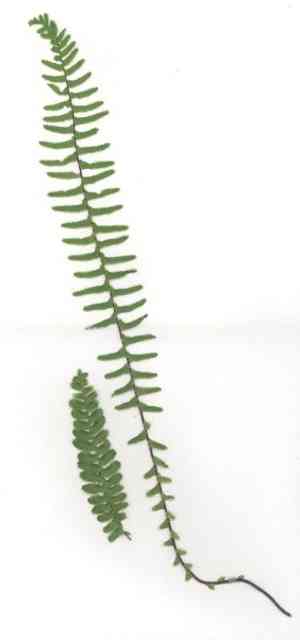
This fern, recognized for its persistent green foliage and prominent dark central stem, thrives with limited trimming to eliminate withered or compromised fronds. The ideal period for pruning ebony spleenwort is in the spring, though it can be carried out through summer or autumn if necessary. Strategic cutting preserves the plant's vitality and aesthetic appeal, simultaneously offering a chance to manage its expansion in a garden environment. Consistent inspection and precise snips at the base, close to the soil, ensure its dense, contained development.
What Are the Benefits of Pruning Ebony Spleenwort?
What Are the Benefits of Pruning Ebony Spleenwort?
Trimming ebony spleenwort encourages robust development while preserving its graceful form. This careful cutting process ensures peak vitality and visual appeal, specifically adapted to ebony spleenwort's growth pattern.
What Is the Best Time for Pruning Ebony Spleenwort?
What Is the Best Time for Pruning Ebony Spleenwort?
Pruning ebony spleenwort in Spring coincides with the start of its active growth phase, allowing the plant to mend and rejuvenate rapidly after trimming. Early Summer trimming is suitable for shaping the fern as it continues to expand, without hindering its development or spore production, which typically occurs during this season. Fall pruning is beneficial for removing any old, damaged fronds before the plant enters dormancy in Winter. Pruning during these periods helps maintain the health and look of ebony spleenwort, while avoiding stress during its vulnerable stages, such as when new growth is emerging or the plant is overwintering.
What Tools Do I Need to Prune Ebony Spleenwort?
Sharp Scissors or Garden Snips
These are perfect for trimming small, delicate fronds on ebony spleenwort without harming the plant. They allow for accurate cuts and can easily maneuver within the plant's structure.
Hand Pruners or Secateurs
When dealing with older or thicker fronds on ebony spleenwort, hand pruners or secateurs can be used to make clean, precise cuts that help prevent disease and damage to the plant.
Fine-Toothed Pruning Saw
For the rare instance when ebony spleenwort has developed particularly thick and woody stems, a fine-toothed pruning saw would be appropriate, allowing for a clean cut without tearing the plant tissue.
How to Prune Ebony Spleenwort
Clean tools
Sanitize pruning tools before starting to prevent the spread of diseases to ebony spleenwort. Use alcohol wipes or a solution of bleach and water for effective sterilization.
Inspect plant
Carefully examine ebony spleenwort for diseased leaves, withered leaves, dead, and diseased branches that need trimming. Identification is key before the actual pruning process begins.
Remove diseased leaves
Using the sterilized tools, gently trim away any diseased leaves from ebony spleenwort, cutting at the base of the leaf stem to encourage healthy new growth.
Prune withered leaves
Cut off withered leaves at the base of the leaf stem to maintain the aesthetic appeal and health of ebony spleenwort, ensuring that the cuts are clean to avoid damage.
Eliminate dead branches
Remove dead and diseased branches by cutting them at the point where they meet healthy tissue. Make the cuts smooth and clean to promote swift healing and prevent further damage to ebony spleenwort.
Common Pruning Mistakes with Ebony Spleenwort
Overpruning
Removing too much of ebony spleenwort's fronds can stress the plant and inhibit its growth.
Pruning healthy fronds
Cutting back healthy, green fronds is a common error that can deprive ebony spleenwort of needed energy stores.
Using dull tools
Pruning with dull or dirty tools can damage the fronds and introduce disease to ebony spleenwort.
Improper cut placement
Making cuts too close to the crown or too far from the base of the frond may harm ebony spleenwort or hinder its regrowth.
Common Pruning Tips for Ebony Spleenwort
Target dead or damaged fronds
Focus on removing only the dead, damaged, or diseased fronds to maintain the health and aesthetics of ebony spleenwort.
Clean tools
Use clean, sharp pruning shears to ensure precise cuts and reduce the risk of spreading pathogens to ebony spleenwort.
Cut at base
Make cuts at the base of the frond being pruned to encourage proper healing and regrowth.
Monitor watering
After pruning, ensure ebony spleenwort receives appropriate water to support recovery without creating conditions for root rot or fungal growth.
Consider growth habit
Understand that ebony spleenwort's natural growth is upright with minimal branching, so prune conservatively to respect its form.



