How Much Sunlight Do Ebony spleenwort Need?
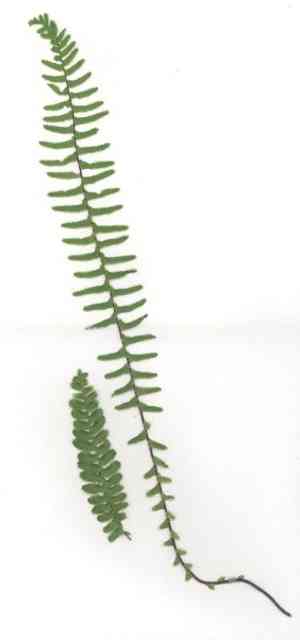
1
Ebony spleenwort flourishes optimally with partial sun exposure, receiving approximately 3-6 hours of daily sunlight.
2
This species is capable of enduring complete shade, rendering it suitable for locations with minimal direct solar illumination.
3
Consider seasonal variations and modify your Ebony spleenwort's position as needed to encourage peak development.
Optimal Light Conditions for Ebony Spleenwort
What is the Best Illumination Environment?
For the Ebony spleenwort, partial sun is crucial for ideal illumination. This plant thrives with a balanced mix of light and shadow. Aim for approximately 3-6 hours of daily sunlight. Consider locations where morning sun offers gentle light, followed by some filtered shade in the afternoon. This helps the plant avoid the harshness of direct midday sun while still receiving adequate light to flourish. Whether beneath a tree or in an eastern indoor window, partial sunlight ensures optimal growth for your Ebony spleenwort.
Can Ebony Spleenwort Withstand Direct Sun?
While partial sunlight is preferred, Ebony spleenwort can indeed tolerate direct sun in moderation. However, excessive direct sunlight, especially during the warmest part of the day, can cause stress and scorch the plant's fronds. If you're positioning your Ebony spleenwort outdoors, ensure it's in a spot that receives morning sun and then benefits from shade during peak hours. Indoors, avoid placing it near south-facing windows without any form of light diffusion.
Modifying Sunlight Exposure for Ebony Spleenwort
How to Recognize Sunlight Distress?
Identifying sunlight stress in Ebony spleenwort is vital for maintaining its health. Indicators of stress include yellowing fronds, brown tips, and a generally wilted appearance. If you observe any of these symptoms, re-evaluate the plant's light exposure. Too much sunlight often leads to these stress signs. Also, look for faded or scorched leaves, as these are direct consequences of excessive sun exposure.
Advice for Relocating Ebony Spleenwort to a Better Spot
If you detect signs of sunlight stress, careful repositioning can save your plant. Begin by gradually moving your Ebony spleenwort to a shadier location, avoiding sudden changes to prevent shock. Moving it in stages, such as from a sunny spot to partial shade, helps the plant acclimate. Indoors, use sheer curtains to soften intense sunlight, or move it to an area with indirect light.
Indoor vs. Outdoor Light Requirements
Is Indoor Illumination Sufficient?
Yes, Ebony spleenwort can flourish indoors with appropriate lighting conditions. Position the plant near an east or north-facing window where it can receive indirect sunlight. If natural light is limited, consider using artificial grow lights as a supplement. Ensure the lights are not too close to prevent overheating. Proper indoor lighting mimics the dappled sunlight the plant would experience outdoors, promoting healthy growth.
Outdoor Placement and Considerations
When placing your Ebony spleenwort outdoors, select locations that provide filtered or dappled sunlight. Think of environments like the understory of trees, where sunlight filters through leaves, creating a gentle light. Avoid placing your plant in direct afternoon sun, as this can be too intense. Partial sun spots or areas with morning sun and afternoon shade are optimal.
Seasonal Light Fluctuations
How Seasonal Changes Impact Ebony Spleenwort
Seasonal variations can significantly affect the sunlight exposure Ebony spleenwort receives. During summer, sunlight is more intense and prolonged, whereas in winter, shorter days and lower sun angles reduce light duration and intensity. This plant can handle varying conditions but thrives best with consistent light levels.
Adjusting Care During Different Seasons
To adapt Ebony spleenwort's care for seasonal changes, modify its placement based on light intensity. In summer, ensure it's shaded during peak sunlight hours to prevent leaf burn. During winter, move it closer to windows or supplement with grow lights to compensate for reduced natural light. Regularly check for signs of stress and adjust watering and humidity levels accordingly.



