How to Transplant Fountain spleenwort?
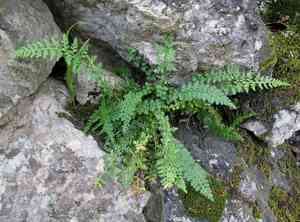
The most favorable period for transplanting fountain spleenwort spans from the mild temperatures of late spring into mid-summer, and again from the refreshing chill of mid-autumn until early winter. Select a location offering filtered light and fertile, damp earth to guarantee fountain spleenwort's successful development after being moved.
What Preparations are Needed Before Transplanting Fountain Spleenwort?
What is the Ideal Time for Transplanting Fountain Spleenwort?
The best time to move fountain spleenwort is from late spring's warmth to mid-summer's mildness, or during the calm of mid-fall to late fall's coolness. These periods offer moderate temperatures and suitable soil, perfect for root development without extreme weather stress. This timing aligns with fountain spleenwort's natural growth, promoting successful adaptation and strong development in its new spot.
How Much Space Should You Leave Between Fountain Spleenwort Plants?
When relocating your fountain spleenwort, aim for a pleasant gap of about 6 to 12 inches (15-30 cm) between each plant. This will allow them ample room to thrive and unfurl their fronds happily!
What is the Best Soil Mix for Fountain Spleenwort Transplanting?
Prepare a well-drained soil for your fountain spleenwort, enriched with organic matter. A welcoming dose of balanced slow-release fertilizer will help them settle in with vigor and grace.
Where Should You Relocate Your Fountain Spleenwort?
Find a peaceful location for your fountain spleenwort with filtered light or partial shade. This provides a gentle, not-too-intense sun exposure, ensuring your green companions remain content and flourishing.
What Equipments Should You Prepare Before Transplantation Fountain Spleenwort?
Gardening Gloves
To safeguard your hands while handling soil and plants.
Trowel or Shovel
For digging out the plant from its current spot and creating a new hole for transplanting.
Pruning Shears
To remove any dead or damaged fronds.
Watering Can or Hose
To hydrate the plant before and after its relocation.
Wheelbarrow or Plant Cart
For moving fountain spleenwort if it's large or if you have multiple plants to transfer.
How Do You Remove Fountain Spleenwort from the Soil?
How Do You Remove Fountain Spleenwort from the Soil?
From Pot: Begin by watering the fountain spleenwort to facilitate its removal. Turn the pot on its side, tap the base, and gently extract the plant by holding its base. Avoid pulling the fronds directly as they are fragile.From Ground: Water the fountain spleenwort thoroughly the day before transplanting to ease extraction. Use a trowel or shovel to dig a wide circle around the plant. Carefully cut beneath the plant to include as much of the root ball as possible and lift it from its original position.From Seedling Tray: Water the seedlings to keep the soil intact during transfer. Use a spoon or a specialized seedling tool to carefully scoop out each plant, taking care to minimize root disturbance.
Step-by-Step Guide for Transplanting Fountain Spleenwort
Uprooting
Water the fountain spleenwort thoroughly before removal to lessen stress and make root extraction easier.
Digging
Prepare the new site by digging a hole twice as wide and equally deep as the fountain spleenwort's root ball.
Inspecting
Examine the fountain spleenwort's roots, trimming any dead or damaged ones with pruning shears.
Placing
Position the fountain spleenwort in the prepared hole, ensuring it sits at the same depth as its previous growing level.
Filling
Backfill the hole with soil, gently pressing down to eliminate any air pockets around the roots.
Watering
After planting, water the fountain spleenwort deeply to help settle the soil and hydrate the roots.
How Do You Care For Fountain Spleenwort After Transplanting?
Initial Watering
Water the fountain spleenwort generously after planting and keep the soil consistently moist for the first few weeks.
Mulching
Apply a layer of mulch around the plant's base to retain moisture and stabilize soil temperature.
Monitoring
Observe the fountain spleenwort for signs of distress, such as wilting or discolored fronds, and adjust care as needed.
Pruning
Trim any fronds that appear dead or damaged in the weeks following transplant to encourage healthy new growth.
Troubleshooting Common Issues with Fountain Spleenwort Transplantation.
When is the best time to transplant fountain spleenwort?
Ideal transplant times for fountain spleenwort are late spring to early summer or early to mid-fall, avoiding severe weather.
How far apart should I space fountain spleenwort when transplanting?
Space fountain spleenwort approximately 6-12 inches (15-30 cm) apart to allow adequate room for growth and air circulation.
Why is my fountain spleenwort wilting after transplanting?
Fountain spleenwort may wilt due to transplant shock. Ensure soil is moist and provide initial shade from intense sun.
How deep should the hole be for transplanting fountain spleenwort?
Dig a hole twice the width of the root ball and equally deep, so fountain spleenwort's crown is level with the soil surface.
What type of soil is best for transplanting fountain spleenwort?
Fountain spleenwort thrives in well-draining, rich soil with good organic content. Amend soil with compost if necessary.
How much water does fountain spleenwort need after transplanting?
Water fountain spleenwort thoroughly immediately after transplanting and maintain consistent moisture for the initial weeks.
Should I fertilize fountain spleenwort upon transplanting?
Delay fertilizing fountain spleenwort until it has established; excessive fertilizer can harm delicate roots post-transplant.
How do I know if fountain spleenwort is getting enough sunlight?
Fountain spleenwort prefers partial shade. If leaves are scorched or growth is weak, adjust its sun exposure.
What signs indicate fountain spleenwort isn't thriving post-transplant?
Stunted growth, yellowing foliage, or wilting can signal problems with water, light, or soil quality.
Can I transplant fountain spleenwort with buds or flowers?
It's best to transplant fountain spleenwort when it's not blooming to prevent stressing the plant and prioritize root establishment.



