How to Prune Fountain spleenwort?
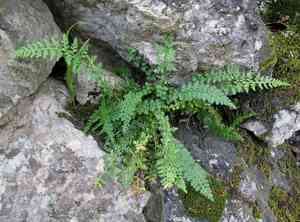
This perennial fern flourishes in dim, damp settings, displaying gracefully arching leaves that sprout from a central cluster. Trimming fountain spleenwort entails detaching withered or compromised fronds near the base, ideally performed in late winter or early spring to preserve its neat look and encourage robust development. Careful trimming guarantees improved air movement and diminishes the likelihood of illness. Cut near the plant's core without harming nascent shoots. Disinfect implements to avert the transmission of harmful microbes.
What Are the Benefits of Pruning Fountain Spleenwort?
What Are the Benefits of Pruning Fountain Spleenwort?
Trimming fountain spleenwort helps it maintain a dense form, promoting vigorous development and a tidy look. Strategic cuts manage size and encourage healthier, fuller foliage.
What Is the Best Time for Pruning Fountain Spleenwort?
What Is the Best Time for Pruning Fountain Spleenwort?
Pruning fountain spleenwort in late winter and early spring is optimal due to several factors aligning with its natural dormancy and preparation for new growth. During late winter, fountain spleenwort is typically dormant. This period of inactivity means the plant's metabolic processes are minimal, reducing stress from pruning during active growth. Trimming at this time prepares fountain spleenwort for strong growth by removing dead or unhealthy fronds before spring. Additionally, by early spring, the risk of frost has usually passed, minimizing cold damage to fresh cuts and allowing wounds to heal more efficiently. Early spring pruning also helps maintain the plant's size and shape, invigorating fountain spleenwort just before it produces new fronds. This timing avoids interference with summer and fall, when fountain spleenwort might be actively growing or producing spores. Following these seasonal guidelines ensures fountain spleenwort remains vigorous and healthy throughout its growth cycle.
What Tools Do I Need to Prune Fountain Spleenwort?
Sharp Scissors
These are ideal for trimming small fronds of fountain spleenwort, allowing for precise cuts without harming the delicate leaves.
Hand Pruners
Perfect for removing dead or damaged fronds near the base, hand pruners offer the necessary control and sharpness for clean cuts on fountain spleenwort.
Rubbing Alcohol or Bleach Solution
Used to sanitize cutting tools before and after pruning fountain spleenwort, this practice prevents disease transmission and ensures healthy development.
Soft Brush
Not a cutting tool, but a soft brush is crucial for gently clearing debris from fountain spleenwort's fronds, reducing the need for pruning and maintaining plant health.
How to Prune Fountain Spleenwort
Clean tools
Sanitize your pruning shears or scissors with alcohol or a bleach solution to prevent disease spread before you begin to prune fountain spleenwort.
Identify
Carefully examine fountain spleenwort for diseased and withered leaves that require removal. Look for browning, wilting, or spots on the leaves.
Cut diseased leaves
Using the sterilized shears, cut off diseased leaves at their base where they connect to the stem or central rhizome of fountain spleenwort. Ensure cuts are clean and avoid harming healthy parts.
Cut withered leaves
Similarly, remove withered leaves by making precise cuts at the base of the affected leaves, being careful not to damage new growth or remaining healthy leaves of fountain spleenwort.
Disposal
Discard the removed material from fountain spleenwort away from healthy plants to prevent the spread of any potential disease. Do not compost diseased plant material.
Common Pruning Mistakes with Fountain Spleenwort
Overpruning
Removing too much foliage from fountain spleenwort can weaken it and reduce its ability to photosynthesize effectively.
Incorrect tool use
Using unsuitable or dull tools can damage fountain spleenwort's delicate fronds and increase its vulnerability to disease.
Pruning healthy fronds
Cutting healthy fronds can limit fountain spleenwort's growth and aesthetic appeal; only dead or damaged fronds should be removed.
Disregarding plant structure
Ignoring fountain spleenwort's natural shape and growth habit can lead to an unbalanced appearance and harm its structure.
Ignoring hygienic practices
Not sterilizing pruning tools before use can spread pathogens to fountain spleenwort and cause infections.
Pruning back too far
Cutting fronds too close to the rhizome can damage fountain spleenwort and hinder new growth.
Common Pruning Tips for Fountain Spleenwort
Sharp clean tools
Use sharp, sanitized pruning shears to make clean cuts on fountain spleenwort, which helps prevent disease and damage.
Selective pruning
Identify and remove only dead, diseased, or damaged fronds to maintain fountain spleenwort's health and appearance.
Minimal pruning
Prune sparingly, as fountain spleenwort typically does not require extensive pruning; doing so encourages healthy growth patterns.
Cutting angle
Make cuts at an angle, away from the crown and rhizome, to avoid damage to fountain spleenwort and promote healing.
Careful disposal
Dispose of removed fronds properly, to prevent the spread of any potential diseases affecting fountain spleenwort.
Monitor health post pruning
After pruning fountain spleenwort, monitor the plant for signs of stress or disease and provide appropriate care to ensure recovery and robust growth.



