The Fountain spleenwort Plant Advantage: Maximizing Home and Office Appeal and Wellness
1
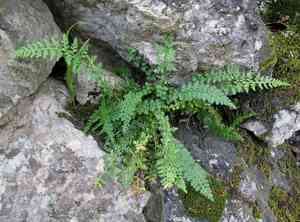
Fountain spleenwort flourishes in dim, stony habitats.
2
It's frequently employed in ornamental indoor and outdoor landscaping.
3
Fountain spleenwort offers various environmental advantages, such as preventing soil erosion.
Why is Fountain Spleenwort an Excellent Choice for Cultivation?
Versatility Across Environments
Fountain spleenwort exhibits remarkable adaptability, flourishing in both indoor and outdoor settings. It favors shaded, rocky locales, frequently found in crevices and on cliff faces. This flexibility makes it an ideal option for gardeners aiming to introduce greenery to challenging landscapes.
Minimal Care Requirements
Fountain spleenwort is recognized for its low maintenance demands, making it perfect for both new and seasoned gardeners. It needs infrequent watering and can thrive in poor soil, reducing the necessity for constant attention and fertilization.
Environmental Advantages of Fountain Spleenwort
Soil Stabilization Benefits
Fountain spleenwort plays a vital role in stabilizing soil, especially in rocky and erosion-prone regions. Its root system helps bind the earth, preventing erosion and fostering a more stable ecosystem. This makes it a valuable species for conservation efforts and ecological restoration projects.
Support for Biodiversity
By offering habitat and food sources for various invertebrates, Fountain spleenwort bolsters biodiversity in its natural surroundings. It creates microhabitats that benefit a range of species, contributing to overall ecosystem health and resilience.
Successful Cultivation of Fountain Spleenwort
Ideal Growing Conditions
To successfully grow Fountain spleenwort, ensure it's planted in an environment that mimics its natural habitat. This entails providing ample shade and well-drained, rocky soil. Maintaining a humid environment will also support its development.
Propagation Methods
Fountain spleenwort can be propagated using spores or by dividing mature specimens. For spore propagation, collect spores from the underside of mature fronds and sow them on a suitable growing medium. For division, carefully separate the root ball and replant the sections in their new locations.
Aesthetic and Landscape Applications of Fountain Spleenwort
Attractive Indoor Specimen
Due to its distinctive and appealing fronds, Fountain spleenwort makes a lovely addition to indoor plant collections. It can be placed in terrariums or used as a standalone plant in decorative containers, adding a touch of natural elegance to interior spaces.
Complementary Garden Planting
Fountain spleenwort functions well as a companion plant in rock gardens and shaded outdoor areas. It pairs beautifully with other shade-loving plants, creating lush, green arrangements that enhance the visual appeal of gardens and landscapes.
Overcoming Challenges in Growing Fountain Spleenwort
Managing Humidity Levels
Fountain spleenwort thrives in moist environments, which can be difficult in drier climates. To maintain adequate humidity, consider using a humidity tray or regularly misting the plant. Grouping it with other plants can also help create a more humid microenvironment.
Disease and Pest Prevention
While Fountain spleenwort is relatively robust, it can still succumb to certain diseases and pests. Regularly inspect the plant for signs of distress such as discolored fronds or unusual spots. Implementing preventative measures like proper watering and ensuring good air circulation can help mitigate these issues.



