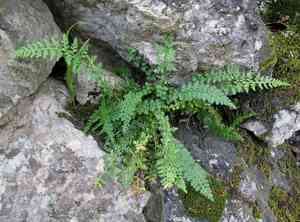
Fountain spleenwort (Asplenium fontanum)
Also known as: Black forest spleenwort
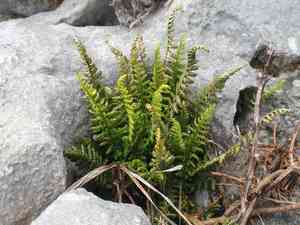
**Fountain spleenwort (Asplenium fontanum)** is a fern commonly found in rocky regions. It features a distinctive brown stem base, contrasting with its green stems and leaves. Preferring cool, shady limestone areas, this plant faces threats from potential droughts due to climate change.
In This Article
Attributes of Fountain spleenwort
Lifespan
Perennial
Plant Type
Fern
Plant Height
10-30 cm
Spread
N/A
Leaf Color
Green
Flower Size
N/A
Flower Color
N/A
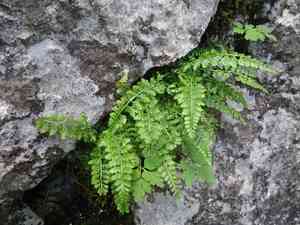
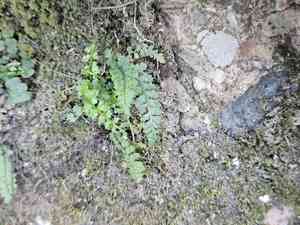
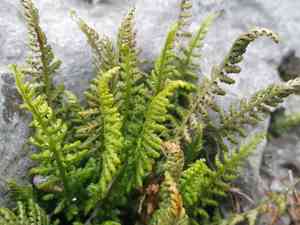
Images of Fountain spleenwort
Quickly Identify Fountain spleenwort
1
The Fountain Spleenwort can be identified by its delicate fronds that are pinnately compound with linear-lanceolate pinnae. The sori (spore-producing structures) are elongated and located on the underside of the fronds.
Scientific Classification of Fountain spleenwort
Phylum
Vascular plants
Class
Ferns
Order
Polypodiales
Family
Spleenwort
Genus
Spleenworts
Species
Fountain spleenwort
Planting and Growing of Fountain spleenwort
Care Difficulty
Easy
Watering Schedule
Every 2 days
Sunlight Requirements
Partial sun
Sunshine Duration
6-10 hours
Ideal Temperature
60-75℉
Soil Type
Potting Mix, Peat Mix
Soil pH
6.5-7.5
Fertilizer Type
Balanced
Pruning Season
Spring, Summer
Pruning Area
Branches, Leaves
Pruning Frequency
Once a year
Repotting Season
Spring
Pot Type
Plastic, Ceramic
 How to Water Fountain spleenwort?
Asplenium fontanum requires moderate watering. It's best to water until the soil is evenly moist but not soggy, ensuring adequate drainage to avoid root rot.
What are the symptoms of an underwatered Fountain spleenwort?
›
What should I do if my Fountain spleenwort is not getting enough water?
›
What are the symptoms of an overwatered Fountain spleenwort?
›
How to save an overwatered Fountain spleenwort?
›
 What Are the Sunlight Requirements for Fountain spleenwort?
Asplenium fontanum prefers partial sun to full shade environments. This range ensures optimal photosynthesis and enhances its resilience, fostering robust growth and vibrant leaf color.
What is the best lighting for Asplenium fontanum?
›
How to achieve ideal lighting for Asplenium fontanum?
›
Why is ideal lighting important for Asplenium fontanum?
›
 What Is the Ideal Temperature Range for Fountain spleenwort?
For Asplenium fontanum, the ideal temperature range is between 60°F and 75°F. This range facilitates optimal growth and health, providing the right conditions for photosynthesis and metabolic processes. Maintaining temperatures within this range will ensure that the plant’s enzymatic activities occur without disruption, promoting robust foliage and vibrant green color.
 What Soil is Best for Fountain spleenwort?
Asplenium fontanum thrives in well-drained soil, which helps prevent waterlogging and root rot. This requirement is crucial as it ensures proper air circulation within the root zone, promoting healthier and more resilient growth. This fern prefers moderately fertile soil, which provides essential nutrients for growth without overwhelming the roots. Balanced fertility supports lush green foliage and robust plant development, making it ideal for decorative purposes. Maintaining soil moisture is vital for Asplenium fontanum. The soil should remain consistently moist but never soggy to avoid stress and promote steady absorption of nutrients, reflecting the plant's natural habitat conditions.
 How to Fertilize Fountain spleenwort?
For Asplenium fontanum, a balanced approach to fertilization is necessary to prevent under or overfeeding. Ideally, you should aim for a diluted liquid fertilizer at half the recommended strength. This ensures the fern receives essential nutrients without risking damage to its roots caused by excessive salt build-up.
 How to Prune Fountain spleenwort?
Begin by examining the plant to identify any fronds that are brown, withered, or otherwise damaged. These are the primary targets for pruning as they no longer contribute to the plant’s health. When you find a frond that needs to be pruned, cut it at the base, close to the soil. This encourages healthier new growth and maintains the plant's natural appearance. After pruning, monitor the plant over the next few weeks to observe new growth. This is a good sign your pruning was successful and the plant is utilizing the extra space and resources effectively.
More About Pruning Techniques→
 How to Propagate Fountain spleenwort plant?
1
Choose a mature and healthy Asplenium fontanum plant for division. Look for robust leaf growth and no signs of disease or pest infestation to ensure the divisions have the best chance of thriving.
2
Gently dig around the base of the plant to lift it from the soil. Use a garden spade or hands to separate the root clump into smaller sections, ensuring each section has roots attached.
3
Place each division into a prepared hole in a well-draining soil mix. Firm the soil around the roots gently and water thoroughly to remove air pockets, supporting the plant's establishment.
 How to Repot Fountain spleenwort plant?
1
Asplenium fontanum shows signs of needing a repot when its roots begin to outgrow the drainage holes, or when the soil surface becomes compacted. The plant may also exhibit slower growth or the leaves might turn yellow. Spring and summer are ideal times, allowing the plant to recover during the growing season.
2
Select a pot slightly larger in diameter than the current one, with ample drainage holes. This ensures excess water can escape, preventing root rot. A pot made of porous material like terracotta can help with moisture management, providing an ideal environment for Asplenium fontanum's roots.
3
Use a rich, well-draining soil mix, possibly combining peat moss, perlite, and compost. This blend retains the needed moisture while allowing for proper aeration. Such soil mimics the plant's natural habitat, promoting healthy root growth and supporting its lush foliage.



