How to Transplant Madwort?
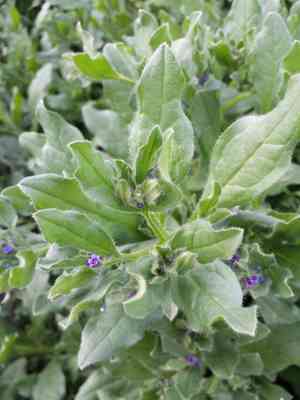
The optimal period for establishing madwort in your garden spans from the onset of early spring through the threshold of summer's heat. Select a location bathed in sunlight, featuring soil that drains effectively. Careful manipulation guarantees the prosperity of their fragile root systems post-transplant.
Essential Preparations Before Relocating Madwort?
Optimal Period for Moving Madwort?
Relocating madwort from early spring through late spring is ideal, as this period offers moderate temperatures conducive to root establishment. This timing capitalizes on the season's gentle warmth and increasing daylight, which stimulate robust development. By transplanting during this prime window, you provide madwort the best opportunity to flourish, as the environment is supportive, with fewer extremes that could stress young plants. This strategic timing aligns with natural cycles, ensuring madwort settles comfortably before the peak of summer.
Recommended Spacing Between Madwort Specimens?
When getting ready to move madwort, it's wise to give them ample room to flourish. Aim for a spacing of approximately 6-12 inches (15-30 cm) between plants. This will provide sufficient space for each plant to grow without competing for essential resources.
Preferred Soil Blend for Madwort Relocation?
For the most vigorous madwort, combine garden soil with a generous amount of organic compost, which enriches the soil with vital nutrients. A balanced, slow-release foundational fertilizer will also give your madwort an excellent start. Utilize this mixture when preparing your transplanting site.
Optimal Location for Replanting Your Madwort?
Select a sunny location that receives at least 6 hours of direct sunlight daily for your madwort. They thrive in warmth and light, which will promote strong, healthy growth. Just ensure the site isn't overly exposed to strong winds.
Tools Required Before Madwort Transplantation?
Gardening Gloves
To safeguard your hands while handling soil and madwort.
Shovel or Spade
For excavating the plant from its original spot and digging a new hole.
Watering Can or Hose
To hydrate the madwort before and after relocation to minimize transplant shock.
Wheelbarrow or Garden Cart
To move the madwort from its initial position to the new site without causing damage.
Pruning Shears
To trim any damaged roots or foliage prior to transplanting.
Tape Measure
To verify the new hole's correct depth and width for the madwort's root ball.
Trowel
For more precise digging or adjusting soil at the new planting location.
How to Extract Madwort from the Ground?
How to Extract Madwort from the Ground?
From Ground: First, moisten the madwort plant to soften the soil, making it easier to work with. Dig a wide circle around the plant using a shovel or spade, going deep enough to encompass the entire root ball. Use the spade to carefully lift the plant, ensuring the root ball remains intact and undamaged.From Pot: Begin by thoroughly watering the madwort to facilitate its removal. Turn the pot on its side, grasp the plant's base, and gently tap the bottom to help dislodge the plant. If it's still stuck, run a trowel along the inner edge of the pot to free the roots. Carefully extract the plant, making sure to support the root ball.From Seedling Tray: Dampen the soil in the tray to simplify the removal of the madwort seedling. Gently separate individual plants by pushing them up from the bottom if the tray design allows, or use a tool like a fork or dibber to carefully lift each seedling without harming its roots.
Step-by-Step Guide for Relocating Madwort
Site Preparation
Prepare the new planting site for the madwort by loosening the soil in an area approximately twice the width of the plant's root ball and of equal depth.
Hole Excavation
Dig a hole in the prepared location. The hole should be slightly larger than the madwort's root ball to allow for easy root expansion.
Plant Positioning
Carefully place the madwort into the hole. The top of the root ball should be level with the surrounding ground. Adjust the hole's depth if necessary.
Backfilling Soil
Fill in around the root ball with soil, gently firming it down to eliminate air pockets and provide support for the plant. Do not plant the madwort deeper than its original growing level.
Initial Watering
Thoroughly water the madwort after planting to settle the soil and hydrate the roots. Use a watering can or hose to gently saturate the area.
Securing
If the madwort is tall or appears unstable, you can temporarily stake the plant. Use garden ties to loosely secure the plant to the stake.
Post-Transplant Care for Madwort?
Initial Hydration
Keep the soil around the madwort consistently moist for the first few weeks following transplantation to aid root establishment.
Mulch Application
Apply a layer of organic mulch around the base of the madwort to retain moisture, suppress weeds, and maintain a stable root temperature.
Observation
Check the madwort daily for indications of transplant shock, such as wilting or discoloration, and address any issues promptly.
Trimming
Prune any damaged or dead sections of the madwort to direct the plant's energy towards developing new growth.
Support Adjustment
If the madwort is supported by stakes, regularly inspect the ties to ensure they are not too tight and adjust them as the plant grows.
Resolving Common Madwort Transplantation Issues.
When is the ideal time to move madwort?
Best to transplant madwort in early to late spring, once frost danger has passed.
What spacing should I use for madwort when transplanting?
Aim for 6-12 inches (15-30 cm) between madwort plants for optimal growth.
Why is my transplanted madwort wilting?
Wilting can be due to transplant shock. Ensure adequate watering and avoid direct sun immediately after moving.
How do I prepare the soil for madwort relocation?
Loosen soil and incorporate compost before planting madwort to enhance nutrients and drainage.
What if madwort isn't thriving after being transplanted?
Check soil moisture and sunlight exposure. Madwort requires well-drained soil and partial to full sun to flourish.
Is it okay to transplant madwort on a hot day?
For best results, transplant madwort on an overcast day or in the evening to minimize stress.
What's the best watering method for madwort post-transplant?
Water deeply at the base to encourage root development. Avoid overhead watering which can cause harm.
How to handle root-bound madwort during transplanting?
Gently separate the roots or make vertical cuts to encourage them to spread in the new location.
What indicates a successful madwort transplant?
Healthy leaf growth and new shoots are good signs that madwort has established well after transplant.
Should I fertilize madwort right after transplanting?
Wait a few weeks before fertilizing madwort to allow roots to recover and adapt to their new environment.



