How to Propagate Madwort?
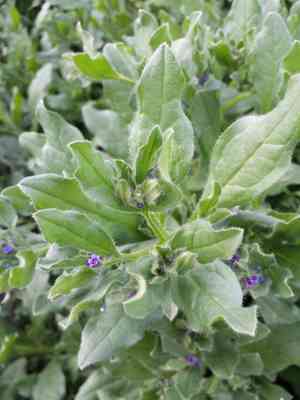
Madwort is a resilient, non-woody plant that flourishes in diverse conditions. Reproduction is simple, primarily accomplished by planting its seeds directly into adequately draining earth. For optimal development, the planting area needs to remain somewhat damp and situated where it gets plenty of sunshine. It's advisable for cultivators to cultivate the young plants until they are strong enough for relocation, promoting more vigorous progress.
Optimal Time for Madwort Propagation
Propagation Method
Seeding
Propagation Period
Spring
Tools for Madwort Propagation
Seed trays
Seed trays are vital for initiating madwort from seeds. They enable regulated soil conditions and space management, which is essential for the germination process. Their shallow depth and various compartment options aid in maintaining consistent soil moisture and temperature, critical factors for madwort germination.
Seedling heat mat
A seedling heat mat supplies warmth from below, which is proven to boost the germination rate and overall growth speed of madwort seeds. This regulated heat source ensures a stable soil temperature, crucial for successful madwort germination.
Fine mist spray bottle
A fine mist spray bottle is utilized to gently irrigate madwort seeds without dislodging them. It disperses water uniformly, ensuring that delicate seeds are not washed away or buried too deeply, which could impede their development.
Horticultural vermiculite
Horticultural vermiculite is a soil additive that enhances water retention and air circulation. Incorporating vermiculite into the madwort seed starting mix provides the ideal soil structure for seed germination and root growth, creating an optimal environment for young seedlings.
Clear plastic dome or cover
A clear plastic dome or cover helps maintain high humidity and stable temperatures, both crucial for madwort germination. This tool essentially creates a miniature greenhouse that shields seeds from external disturbances and aids in faster germination.
How to Propagate Madwort?
Propagation Type
Simple
Caring for Newly Propagated Madwort
Caring for Newly Propagated Madwort
Once madwort seedlings have emerged and developed true leaves, gradually acclimate them to their permanent growing conditions. Transplant them to their designated outdoor spot or into larger containers. Madwort thrives in well-drained soil and can tolerate full sun or partial shade. Continue regular watering until plants are established, but avoid over-watering. Additionally, an annual application of balanced fertilizer can promote healthy growth and flowering.
Common Mistakes to Avoid When Propagating Madwort
Overwatering
Excessive watering can lead to root rot, a condition harmful to madwort's health. This plant species prefers drier conditions, making it essential to ensure the soil is well-drained and not waterlogged.
Deep planting
Planting madwort seeds or cuttings too deeply can impede their growth. Madwort requires light for optimal germination, and deep planting can prevent seeds from receiving adequate light, resulting in poor or failed germination.
Ignoring soil composition
Using an unsuitable soil type can negatively impact madwort's growth. This species thrives in well-drained soils, and using dense or clay-heavy soil can restrict root development and decrease aeration, leading to poor plant health.
Tips For Propagating Madwort
Moderate Watering
Madwort benefits from moderate watering. Allow the soil to dry out slightly between waterings to promote healthy root function and prevent waterlogging.
Surface Sowing
For seed propagation, it is beneficial to sow madwort seeds on the soil surface and gently press them into the soil. This approach ensures the seeds receive enough light for germination while maintaining essential soil contact.
Soil Composition
Preparing a suitable growing medium is crucial for madwort. Utilize a mix of sand, compost, and loamy soil to ensure proper drainage and nutrient availability needed for madwort's successful growth and development.



