How to Prune Madwort?
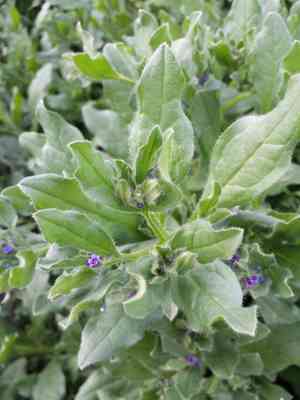
Originating from Europe and Asia, madwort is a diminutive, yearly herb characterized by tiny blue blossoms and coarse stalks. Trimming should primarily involve removing spent flowers to encourage ongoing flowering and reducing crowded sections to enhance air movement. The ideal period for this maintenance is throughout the active development phases, from spring to autumn. Strategic trimming can hinder self-propagation, thereby assisting in controlling its dissemination. Furthermore, such intervention can stimulate fresh development, preserving its dense structure and vitality.
Advantages of Trimming Madwort
Advantages of Trimming Madwort
Trimming madwort encourages robust development and helps maintain its desired form, ensuring it remains visually pleasing and promoting its overall health.
Optimal Time for Pruning Madwort
Optimal Time for Pruning Madwort
The best periods for pruning madwort are late spring, early summer, and early fall. These times are considered ideal because late spring pruning coincides with the plant's emergence from dormancy, stimulating new growth that can be shaped throughout the growing season. Early summer pruning is perfect for removing any spent flowers from madwort, which may encourage a second bloom and enhance the plant's overall appearance. In early fall, pruning benefits madwort by removing dead or diseased growth before the plant enters dormancy, reducing the likelihood of disease transmission to the next growing season. Furthermore, pruning during these seasons avoids the stress on madwort that could be caused by cutting back during extreme summer heat or winter cold. This timing also prevents disruption of the plant's spring flowering period.
Tools Required for Pruning Madwort
Hand Pruners
For madwort, hand pruners are effective for making clean cuts on its soft, herbaceous stems. They allow precise control, which is important for selectively pruning the plant without harming nearby growth.
Shears
Madwort can be trimmed with shears, especially when cutting back larger sections or when shaping the plant. Shears will enable the gardener to quickly and uniformly shape the foliage.
Garden Gloves
Gardening gloves are crucial when pruning madwort for protecting hands from any potential irritation due to plant sap or from the small spines that some varieties might possess.
How to Prune Madwort
Clean Tools
Ensure all pruning tools are clean and sharp to prevent disease spread and create precise cuts on madwort.
Identify
Carefully inspect madwort to locate withered leaves, which may appear discolored, dry, or brittle.
Cut
Using hand pruners, snip off the withered leaves at their base where they meet the stem, taking care not to damage new growth or healthy tissue.
Dispose
Collect and discard all removed material in a compost bin or trash to minimize the risk of disease spreading.
Clean Up
Clean the pruning tools again after finishing to maintain their condition and readiness for future use.
Common Pruning Errors with Madwort
Overpruning
Removing too much foliage from madwort can weaken the plant, making it vulnerable to diseases or reducing its vitality.
Improper Tools
Using dull or dirty pruning tools can damage madwort stems, leading to fraying or the introduction of disease.
Neglecting To Remove Dead Material
Failing to clear away dead or diseased foliage can impede new growth and potentially spread illness.
Pruning Blindly
Cutting without a clear strategy or understanding of madwort's growth pattern can result in an undesirable shape and reduced bloom production.
Pruning Too Early
Starting to prune before the plant has fully developed can prevent madwort from establishing a strong foundation for growth.
General Pruning Advice for Madwort
Selective Cutting
Carefully choose which branches to remove, focusing on those that are dead, diseased, or crossing others to improve air circulation and shape.
Sharp Tools
Make sure to use clean, sharp pruning shears to make precise cuts that will heal quickly and limit disease exposure.
Angled Cuts
When removing branches on madwort, angle your cuts to prevent water accumulation on the cut surface, lowering the risk of rot.
Encourage New Growth
Prune strategically to promote branching and new growth, which will enhance the overall fullness and vigor of madwort.
Post-Pruning Care
After pruning madwort, provide appropriate care such as watering and fertilizer to support recovery and growth.



