How Much Sunlight Do Madwort Need?
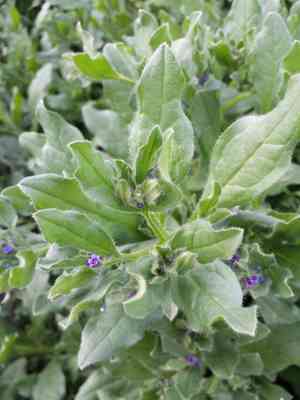
1
Madwort flourishes with over six hours of sun exposure each day.
2
Excessive direct sun can lead to leaf scorch on Madwort.
3
Insufficient light might cause Madwort to develop elongated stems.
Optimal Light Conditions for Madwort
Daily Sunlight Requirement
For peak development, Madwort plants need over 6 hours of sunlight daily. This exposure aids efficient photosynthesis, promoting strong growth and healthy foliage. Meeting these light needs is vital, especially if cultivating Madwort in an area with inconsistent year-round sun.
Direct vs. Indirect Sunlight Preference
While Madwort tolerates partial sun, it thrives best in full sunlight. Aim for a location where the plant gets direct sun for most of the day. Though it can survive in partial shade, its growth and flowering may be less vigorous compared to full sun conditions.
Monitoring and Adjusting Madwort's Sunlight
Signs of Sufficient Light
You can tell if your Madwort is getting enough sunlight by its vibrant green leaves and consistent, steady growth. Plants flourishing with adequate light will also have dense foliage and bloom more profusely during their flowering period.
Indicators of Too Little or Too Much Light
Watch for signs of insufficient or excessive sunlight. If your Madwort lacks light, you might observe leggy, elongated stems as it reaches for the nearest light source. Conversely, too much direct sun can cause scorching or sunburn, visible as brown or bleached spots on the leaves.
Methods for Maximizing Light Absorption
To optimize light intake for your Madwort, consider rotating the plant regularly so all sides receive equal light. If planting outdoors, choose an area exposed to the sun for the longest part of the day, free from obstruction by taller plants or structures. Using reflective surfaces nearby can also boost the light your plant receives.
Seasonal Light Needs for Madwort
Spring and Summer Light Requirements
During spring and summer, Madwort benefits from extended daylight hours. This period is crucial for its growth, so ensure it gets ample sunlight by placing it in a south-facing position if possible. The increased light during these months supports vigorous growth and the start of blooming.
Fall and Winter Light Adjustments
As daylight hours shorten in fall and winter, it's essential to adapt your Madwort care to maintain adequate lighting. If grown indoors, consider using grow lights to supplement reduced natural sunlight. Outdoor plants may need repositioning to maximize exposure to the diminished sunlight during cooler months.
Sunlight's Impact on Madwort Growth and Blooming
Effect on Photosynthesis and Development
Sunlight is a vital element for photosynthesis, the process Madwort uses to convert light into energy for growth. When the plant receives sufficient sunlight, it photosynthesizes efficiently, leading to robust growth and overall plant health. Insufficient light disrupts this process, resulting in slower growth and potential health issues.
Influence on Flowering Patterns
Sunlight also affects Madwort's blooming patterns. Adequate light exposure encourages more abundant and frequent flowering. Flowers will typically be more vibrant and numerous when the plant is in an environment providing the right amount of sunlight, enhancing your garden or home's visual appeal.
Common Sunlight-Related Issues for Madwort
Sunburn Symptoms and Prevention
A common problem with Madwort is sunburn, which can occur from excessive direct sunlight. Symptoms include white or brown patches on leaves where plant tissue has been damaged. To prevent sunburn, gradually acclimate your plant to sunlight, especially when moving it from indoors to outdoors.
Addressing Leggy Growth
Leggy growth happens when Madwort doesn't get enough sunlight, causing it to grow taller and sparser as it stretches toward the light source. To fix this, increase the plant's sunlight exposure by moving it to a sunnier spot or supplementing its light with grow lights. Pruning can also help manage leggy growth and encourage more compact, fuller development.



