How to Transplant Garden asparagus?
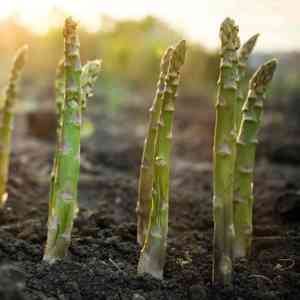
Mid-to-late spring offers the ideal period for relocating garden asparagus, as both ambient and ground temperatures are optimal for its development. Select a bright, adequately drained site to ensure a flourishing garden asparagus specimen. Ensure proper spacing and sufficient hydration following the transplanting process. Enjoy your gardening endeavors!
What Preparations are Needed Before Transplanting Garden Asparagus?
What is the Ideal Time for Transplanting Garden Asparagus?
The optimal period for relocating garden asparagus spans from mid-spring to its conclusion. This timeframe allows garden asparagus to develop strong root systems, crucial for its perennial existence. You'll observe improved yields and better plant health due to this timely relocation. Remember, before the onset of warmer temperatures is perfect for your garden asparagus transplant!
How Much Space Should You Leave Between Garden Asparagus Plants?
When transplanting garden asparagus, position each plant approximately 18-24 inches (45-60 cm) apart. This provides ample room for growth and the establishment of a robust root system.
What is the Best Soil Mix for Garden Asparagus Transplanting?
Prepare the soil for garden asparagus with a fertile, well-draining mixture abundant in organic matter. You can incorporate compost or aged manure to enhance the soil quality. A balanced base fertilizer, such as 10-10-10, is effective.
Where Should You Relocate Your Garden Asparagus?
Select a site for garden asparagus that receives full sun or partial shade, ensuring at least 6-8 hours of daily sunlight. This promotes healthy and vigorous growth for their perennial life cycle.
What Equipments Should You Prepare Before Transplantation Garden Asparagus?
Gardening Gloves
To protect your hands from cuts or abrasions when handling the plant and soil.
Spade or Shovel
To excavate the hole where the garden asparagus will be replanted.
Wheelbarrow
To move soil or compost as needed during the transplanting process.
Gardening Fork
To gently loosen the soil around the garden asparagus during its extraction.
Watering Can
To irrigate the garden asparagus both before and after its relocation.
How Do You Remove Garden Asparagus from the Soil?
How Do You Remove Garden Asparagus from the Soil?
From Ground: Begin by thoroughly watering the garden asparagus; this helps keep the roots intact during removal. Once the soil is pliable, gently dig a circle around the garden asparagus using a gardening fork. Gradually work beneath the root ball, lifting carefully to prevent root damage. If your garden asparagus is very large, a spade or shovel may be necessary.From Pot: Ensure the soil is not dry and compacted. If it is, water the soil to soften it and reduce plant stress. Once softened, gently tilt the pot and pull at the base of the garden asparagus. Continue until the plant and its root system slide out. Be gentle and patient; avoid harsh pulling to prevent root damage.From Seedling Tray: First, thoroughly water the seedling tray until the soil is saturated. Then, gently slide your fingers under the plantlets' leaves and lift. As this can be very delicate, proceed slowly and carefully.
Step-by-Step Guide for Transplanting Garden Asparagus
Prepare the Plant
Thoroughly water your garden asparagus in its original spot so its roots are well-hydrated before the move. This helps minimize transplant shock.
Prep the Site
Dig a hole in your garden that is twice the width and the same depth as the root ball of your garden asparagus plant.
Transplanting
Carefully place the garden asparagus in the hole, ensuring the top of its root ball is level with the ground. Backfill around the roots with soil, pressing gently to eliminate any air pockets.
Watering
Thoroughly water the transplanted garden asparagus after planting. The soil should be kept moist (but not waterlogged).
How Do You Care For Garden Asparagus After Transplanting?
Water Regime
The garden asparagus should be watered thoroughly after transplanting and consistently thereafter. It's crucial to keep the soil moist, but not saturated. Excessive watering can lead to root rot.
Mulching
A layer of mulch around the base of your garden asparagus can help retain moisture and suppress weeds. Use organic mulch like wood chips or straw, and avoid piling it against the stem to prevent rot.
Watch out for pests
Be vigilant for common pests that might find your garden asparagus appealing. If you discover any, both chemical and organic treatments are available. Consult your local nursery for the best advice.
Troubleshooting Common Issues with Garden Asparagus Transplantation.
When's the best time to transplant garden asparagus?
It's excellent to move garden asparagus during the mid to late spring season, as the weather conditions are optimal.
What is the ideal spacing for garden asparagus while transplanting?
The perfect spacing for garden asparagus is 18-24 in (45-60 cm) to ensure sufficient room for each plant to grow.
Why is garden asparagus not doing well after transplantation?
Remember, garden asparagus can be sensitive to relocation. Ensure it's done during the correct season and the plant receives adequate water and sunlight.
How deep should I dig the hole for transplanting garden asparagus?
Not excessively deep. Garden asparagus should be planted at a depth where the plant's tip is just visible above the soil surface.
What sort of soil is suitable for transplanting garden asparagus?
Garden asparagus thrives in well-drained, light, and rich soil. It does not perform well in heavy clay or sandy soils.
Can I transplant garden asparagus during the summer?
Relocating garden asparagus during the summer could stress the plants. Therefore, the ideal time is mid to late spring when they can better handle the change.
Why are my transplanted garden asparagus turning yellow?
Yellowing might indicate overwatering or poor drainage. Ensure garden asparagus is planted in well-drained soil and adjust your watering schedule.
How much sunlight does transplanted garden asparagus require?
Garden asparagus enjoys a generous amount of sunlight. Ensure your transplanted garden asparagus receives at least 6-8 hours of sunlight daily.
Should I fertilize garden asparagus immediately after transplanting?
Wait until you observe new growth before applying fertilizer to garden asparagus. Over-fertilization can shock the plant and hinder establishment.
How often should I water garden asparagus after transplantation?
Water garden asparagus thoroughly after transplant, then reduce to moderate watering, keeping the soil consistently slightly moist, but not waterlogged.



