How to Prune Garden asparagus?
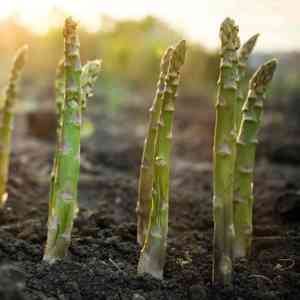
Grown for its palatable stalks, garden asparagus necessitates yearly trimming to ensure peak vitality and output. Gather the spears in springtime, then trim the plants down to soil level in late winter prior to the emergence of fresh growth. Eliminating withered foliage reduces the likelihood of disease. This trimming routine fosters robust new stalks and a significant harvest in the subsequent season.
What Are the Benefits of Pruning Garden Asparagus?
What Are the Benefits of Pruning Garden Asparagus?
Trimming garden asparagus promotes robust development and ensures plants retain their desired form, enhancing vitality and yield.
What Is the Best Time for Pruning Garden Asparagus?
What Is the Best Time for Pruning Garden Asparagus?
These periods are considered ideal because garden asparagus is a perennial with a dormant phase in winter. Pruning in late winter, just before the growth period begins, helps rejuvenate the plant. It stimulates new growth by removing any dead or damaged spears accumulated during dormancy. Furthermore, early spring pruning, after the last frost when new shoots emerge, is also beneficial. It directs the plant's energy towards developing strong, new spears, rather than sustaining old or unproductive ones. During these times, the risk of disease transmission through pruning cuts is minimized, safeguarding garden asparagus's overall health. Additionally, since garden asparagus typically does not flower or fruit, pruning timing focuses solely on encouraging vigorous spear production and maintaining the plant's shape and size.
What Tools Do I Need to Prune Garden Asparagus?
Hand Pruners
Perfect for making precise cuts on garden asparagus during the active season for harvesting spears or trimming foliage.
Sharp Garden Shears
Useful for cutting the fern-like foliage of garden asparagus at the end of the growing season when it yellows.
Garden Gloves
Protect hands from the sharp tips of garden asparagus foliage during pruning.
Pruning Saw
May be needed for older, woodier garden asparagus stems that are too thick for hand pruners.
How to Prune Garden Asparagus
Step1: Assess Plant for Old Growth
Examine garden asparagus for old stalks and yellowed shoots. This should occur at the end of the growing season, typically after the first hard frost when the ferns turn brown.
Step2: Prepare Clean Cutting Tools
Ensure you have clean, sharp pruning shears or scissors to guarantee clean cuts and prevent disease spread.
Step3: Identify and Cut Woody Stalks
Locate the old, woody stalks, which are remnants of the previous year's growth. These will not produce new spears and must be removed to redirect energy to new growth.
Step4: Remove at Ground Level
Cut the old stalks at ground level, being careful not to harm emerging spears that might be developing around or beneath them.
Step5: Inspect for Yellowed Shoots
Look for any yellowed shoots. These are typically non-viable and can indicate pests or disease. They should be removed to maintain plant health.
Step6: Prune Non-Viable Shoots
Trim the yellowed shoots, cutting them at the base where they emerge from the soil to prevent any potential disease spread.
Step7: Safely Dispose of Plant Debris
Discard all cuttings by either burning them or removing them from the site. Do not compost diseased or pest-infected plant material as this could contaminate your compost.
Step8: Clean Tools Post-Pruning
Clean your tools after pruning to prevent the spread of any potential diseases to other plants.
Step9: Mulch for Root Protection
Add a layer of mulch around the base of garden asparagus after pruning to help protect the roots over winter and provide nutrients for the next growing season.
Step10: Monitor for New Growth
Regularly check your garden asparagus bed for signs of new growth or any issues that may require additional care or pruning.
Post-Pruning Care for Garden Asparagus
Post-Pruning Care for Garden Asparagus
Immediately after pruning garden asparagus, water the plant thoroughly to aid recovery. Keep it in a location with ample sunlight but shield it from intense midday rays. Maintain a stable temperature and humidity level consistent with garden asparagus's growing conditions. Apply a balanced fertilizer to replenish nutrients, promoting vigorous regrowth. Regularly check for signs of distress, such as discoloration or wilting. If symptoms of stress or infection appear, treat promptly with appropriate fungicides or pest control measures.
Common Pruning Mistakes with Garden Asparagus
Pruning Too Early Weakens Plant
Pruning garden asparagus too early in its life, before it has established a strong root system and foliage. This premature trimming can weaken the plant.
Over-Pruning Limits Energy for Growth
Cutting too much foliage during the active growth phase, which can limit the energy garden asparagus needs to produce healthy spears.
Damaging Plant with Dull Tools
Using dull or dirty cutting tools, which can harm garden asparagus stalks and introduce diseases.
Common Pruning Tips for Garden Asparagus
Prune After Yellowing in Post-Harvest Season
Wait until garden asparagus has completed its harvesting season and the ferns have turned yellow or brown, indicating that the plant's energy has been stored in the roots.
Use Sharp Shears for Clean Cuts
Cut the dead ferns at ground level using sharp, clean pruning shears to prevent disease and ensure a clean cut that garden asparagus can heal quickly from.
Remove Damaged Stems Promptly
Remove any damaged or diseased stems as soon as they are noticed to maintain the health of garden asparagus and prevent the spread of potential problems.



