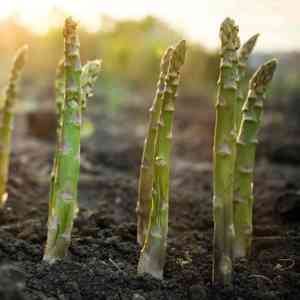
Garden asparagus(Asparagus officinalis)

Garden asparagus (Asparagus officinalis)

Also known as: Asparagus, White asparagus

Asparagus (*Asparagus officinalis*) is a flowering plant known for its ability to perform photosynthesis in its stems and branchlets. It has been cultivated for culinary and agricultural purposes for a long time, with the ancient Greeks first growing it 2,500 years ago.

Attributes of Garden asparagus

Lifespan
Perennial
Plant Type
Herb
Plant Height
91 cm to 1.5 m
Spread
45 cm to 90 cm
Leaf Color
Green
Flower Size
2.5 cm
Flower Color
White Green Yellow Gold

ForwardPlant - Identify plants with a snap

Identify and diagnose plants, get toxicity alerts, and explore safety guides for all types of fungi.

Try for Free

Images of Garden asparagus

Garden asparagus(Asparagus officinalis)

Quickly Identify Garden asparagus

1
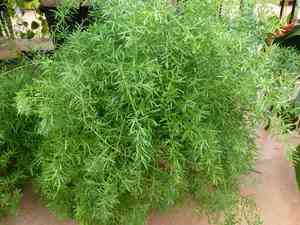
Feathery, needle-like leaves in whorls, brownish scales, delicate, and minute (0.5 inches or 1.3 cm).
2
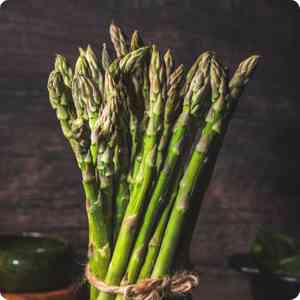
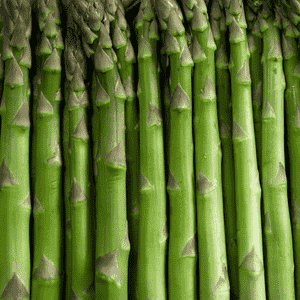
Upright, thick stem turning thin and multi-branched, green or purple, featuring triangular bracts.
3
Small, greenish-white to yellow bell-shaped flowers, 6 tepals fused at base, solitary or paired.
4
Attractive red berries, spherical, 1/4 inch (6 mm) diameter, hard texture, in clusters.
5
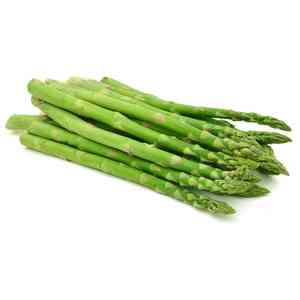
Stout succulent stalks with scale-like leaves, tapering at tip, green, white, or purple.

Scientific Classification of Garden asparagus

Phylum
Vascular plants
Class
Monocotyledons
Order
Asparagus and allies
Family
Asparagus
Genus
Asparagus
Species
Garden asparagus

Planting and Growing of Garden asparagus

Care Difficulty
Easy
Watering Schedule
Every 4 days
Sunlight Requirements
Full sun
Sunshine Duration
4-6 hours
Ideal Temperature
70-85℉
Soil Type
Potting Mix, Peat Mix
Soil pH
6.5-7.5
Fertilizer Type
Balanced
Pruning Season
Spring, Summer
Pruning Area
Branches, Leaves
Pruning Frequency
2 times a year
Repotting Season
Spring
Pot Type
Plastic, Ceramic

water icon How to Water Garden asparagus?

Water Asparagus officinalis with about 250 ml each time, ensuring the soil is uniformly moist but not waterlogged. Check soil moisture about an inch below the surface before each watering to avoid overwatering or underwatering. The goal is to maintain a harmonious balance in soil moisture.
What are the symptoms of an underwatered Garden asparagus?
What should I do if my Garden asparagus is not getting enough water?
What are the symptoms of an overwatered Garden asparagus?
How to save an overwatered Garden asparagus?
More About Watering Techniques

sunlight icon What Are the Sunlight Requirements for Garden asparagus?

Sunlight Requirements: Full sun, Partial sun
Duration of light: 6 to 8 hours
Asparagus officinalis ideally enjoys a combination of full sun and partial sun. Such lighting fosters robust growth and maximizes spear production, enhancing both the health of the plant and the flavor of its yield.
How much sunlight does Asparagus officinalis need?
What solutions ensure ideal sunlight for Asparagus officinalis?
Why is ideal sunlight crucial for Asparagus officinalis?
More About Sunlight Requirements Techniques

temperature icon What Is the Ideal Temperature Range for Garden asparagus?

Ideal Temperature: 70 ~ 85℉
Asparagus officinalis thrives best in an ideal temperature range between 70°F to 85°F. This range supports robust growth and ensures optimal photosynthesis. At these temperatures, asparagus can achieve vigorous root development and shoot production, crucial for a successful harvest.

soil icon What Soil is Best for Garden asparagus?

Soil type: Loam, Sandy loam
Soil PH: 6.5 ~ 7.5
Asparagus officinalis thrives in well-draining soils, which prevent waterlogging that can lead to root rot. This soil type ensures the roots receive enough oxygen, promoting vigorous growth and healthy spear production. A rich organic matter content in the soil is essential for asparagus, as it provides vital nutrients and enhances soil structure, improving moisture retention and nutrient availability. Aerated soil is crucial for asparagus to allow oxygen to reach the roots, increase microbial activity, and facilitate nutrient uptake, ensuring robust plants and bountiful harvests. More About Soil

fertilize icon How to Fertilize Garden asparagus?

Fertilizer type: Balanced
Asparagus officinalis requires a balanced fertilizer with an emphasis on nitrogen, phosphorus, and potassium in the ratio of approximately 1:2:1. For liquid fertilizers, use about 1 tablespoon per gallon of water. For slow-release fertilizers, apply about 1 pound per 50 square feet of planting area annually.

prune icon How to Prune Garden asparagus?

Pruning Time: Spring, Summer, Autumn
Begin by identifying any dead or withered stalks, which can easily be removed to make space for new growth. Dead stalks are often brown and brittle, contrasting sharply with the healthy green stalks. Trim back healthy stalks to the base of the plant when the fanned fronds begin to yellow. This typically happens in fall but can vary. Always use sharp shears to make clean cuts and avoid damaging the plant. When pruning, focus on promoting growth from the crown. Make cuts close to the base without harming the crown itself to encourage more productive shoots in the following season. More About Pruning Techniques

propagate icon How to Propagate Garden asparagus plant?

Propagate Time: Early spring, Spring
1
Harvest asparagus seeds once the berries turn red, usually in late summer. Remove the seeds from the berry, clean them thoroughly, and allow them to dry before storage.
2
Use a well-draining potting mix enriched with organic matter. This ensures good aeration and nutrients, vital for seed germination and young plant development.
3
Sow the seeds approximately 1.5 cm deep in the tray, cover lightly with soil, and water gently. Keep the soil consistently moist but avoid waterlogging to promote healthy sprouting.
More About Propagating Techniques

repot icon How to Repot Garden asparagus plant?

Repotting frequency: Every 2-3 years
1
Asparagus officinalis needs repotting when the plant outgrows its container and roots start circling the pot's edges. A telltale sign is roots poking out of the pot's drainage holes or soil that dries out too quickly post-watering. Repot during early spring or autumn for optimum growth.
2
Opt for a pot that's one size larger than the current one, ensuring it's deep enough to accommodate the plant's long roots. A pot with excellent drainage capabilities prevents water stagnation, protecting the roots from rot and promoting robust plant health.
3
Select a well-draining soil mix, ideally sandy loam, rich in nutrients and capable of retaining the right moisture levels. This type of soil helps in promoting healthy root development, prevents compaction, and mimics the plant’s natural habitat.

ForwardPlant - Identify plants with a snap

Find the best spots for them to optimize their health, simply using your phone.

Try for Free

Toxicity of Garden asparagus

Is Garden asparagus toxic to cat?

Garden asparagus is a plant that can present a toxicity risk for felines. If a cat accidentally consumes garden asparagus, especially the fruits and stems, it could result in poisoning. Cat owners need to remain alert, as cats may chew on garden asparagus out of curiosity or by chance. Should ingestion occur, monitor for symptoms of physical distress or illness, as these may indicate potential poisoning. Prompt veterinary attention is essential for a poisoned cat, so take swift action and seek professional help to guarantee the feline's health and safety.

Is Garden asparagus toxic to dog?

Garden asparagus is regarded as toxic for dogs. Dogs may unintentionally consume various parts of the plant, such as the fruits and stems, leading to potential poisoning. If a dog eats garden asparagus, they might show signs such as gastrointestinal distress, vomiting, or diarrhea. It is essential for dog owners to keep a close eye on their pets and restrict their access to garden asparagus to prevent any accidental consumption. Should a dog ingest this plant, it is crucial to seek prompt veterinary assistance to secure the best possible outcome for the dog's health.

Identify toxic plants for your safety

Learn which plants are harmful to you and your pets, and make informed choices for a safer home!

Try for Free
WARNING
The judgment on toxicity and danger is for reference only. We DO NOT GUARANTEE any accuracy of such judgment. Therefore, you SHALL NOT rely on such judgment. It is IMPORTANT TO SEEK PROFESSIONAL ADVICE in advance when necessary.
More About Toxic Techniques