How to Transplant Wild asparagus?
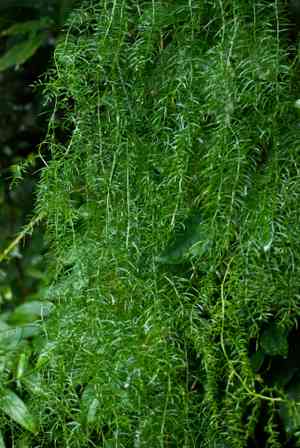
The most suitable period for relocating wild asparagus is at the beginning of spring, capitalizing on vigorous development. Select a location that receives ample sunlight and drains effectively. Should the wild asparagus seem too crowded, carefully separate it prior to replanting to achieve optimal outcomes.
Essential Preparations Before Relocating Wild Asparagus
Optimal Timing for Wild Asparagus Relocation?
The best period to move wild asparagus is at the onset of spring. Transplanting during this time leverages the start of active growth, ensuring strong development. Moving wild asparagus when the ground warms and nature revives helps roots settle with minimal stress and quick recovery. Utilize this season's mild temperatures for a smooth transition, giving wild asparagus the finest start in its new spot. Our wild asparagus thrives with this early advantage, promising vigorous growth and longevity.
Recommended Spacing Between Wild Asparagus Plants?
When relocating wild asparagus, ensure each plant is spaced approximately 1 to 2 feet (30-60 cm) apart. This provides ample room for individual growth without competition for resourcesâexcellent work preparing their new home!
Ideal Soil Blend for Wild Asparagus Transplanting?
Prepare the soil by ensuring it's well-drained, ideally sandy or loamy. Before planting wild asparagus, incorporate some compost or a slow-release granular fertilizer to give them a nutritional head-start. You're doing great!
Optimal Location for Your Wild Asparagus?
Select a site where wild asparagus will receive full sun for peak growth. A location with 6 or more hours of daily sunlight will keep your wild asparagus content and flourishing. Keep up the good work!
Equipment Needed Before Transplanting Wild Asparagus
Gardening Gloves
To safeguard your hands from thorns, irritants, or other harmful substances while handling soil and the plant.
Gardening Spade or Shovel
For excavating the plant from its current spot and preparing the new planting hole.
Pruning Shears
Essential for trimming any damaged roots or leaf stems prior to transplanting.
Watering Can
To hydrate the plant before and after the transplanting procedure.
Wheelbarrow or Container
A tool used to move the plant from its old location to the new site without causing damage, especially for larger specimens.
Bucket
To gather and transport soil.
Rake
To level and smooth the planted area after transplant.
Mulch
To help retain moisture, enhance soil structure, and control weeds post-transplanting.
How to Extract Wild Asparagus from the Soil?
How to Extract Wild Asparagus from the Soil?
From Ground: Start by thoroughly watering the wild asparagus plant to moisten the soil around its roots, which will simplify the digging process and reduce stress on the plant. Use a gardening spade or shovel to dig a circle around the plant, maintaining a significant distance to avoid harming the roots. Once the root ball is visible, carefully work the shovel underneath to lift the plant, along with its root ball, from its spot.From Pot: Begin by watering the plant well and allowing it to absorb the water. Gently tilt the pot sideways, while supporting the wild asparagus plant with your other hand. Slowly remove the plant from the pot, being careful not to damage the roots.From Seedling Tray: Water the plant, then gently hold the wild asparagus plant's base and lift it, along with its root ball, out of the seedling tray. Handle it by the root ball to minimize any potential damage.
Step-by-Step Guide for Transplanting Wild Asparagus
Preparation
Ensure the new planting site is thoroughly prepared beforehand. The hole should be twice as wide and the same depth as the root ball. This provides ample space for root expansion.
Plant Removal
Follow the techniques described above to remove the plant based on its original location.
Pruning
Use plant pruning shears to trim off any damaged roots or leaf stems. This encourages healthier growth after transplanting.
Placement
Position wild asparagus in the new hole. Adjust the plant so it stands upright at the same depth it was in its previous location.
Backfilling
Refill the hole with soil, gently pressing around the plant's base to eliminate any air pockets.
Watering
Water the plant immediately after planting to settle the soil around the roots.
Post-Transplant Care for Wild Asparagus
Watering
Ensure the root zone of wild asparagus remains consistently moist but not waterlogged for the initial few weeks after transplanting. This aids the plant in establishing its roots in the new location.
Pruning
Trim any yellow or brown leaves that may appear post-transplant. This helps the plant direct its energy towards new growth.
Mulching
Applying mulch around the plant helps keep roots cool, conserve water, and suppress weeds.
Observation
Regularly monitor the plant for signs of transplant shock, such as wilting, yellowing, or dropped leaves. This allows for early intervention to address any issues.
Addressing Common Wild Asparagus Transplantation Issues
When is the optimal time to transplant wild asparagus?
The most suitable period for transplanting wild asparagus is from early spring to early summer (S1-S2). This allows the plants ample time to establish before colder weather.
How much space should I allow when planting wild asparagus?
For optimal growth, wild asparagus requires approximately 1-2 feet (30-60 cm) of spacing between each plant. This ensures sufficient room for development and adequate sunlight exposure.
What are the ideal soil conditions for transplanting wild asparagus?
Wild asparagus thrives in well-drained, humus-rich soil. Therefore, ensure the chosen transplant site possesses these qualities for the plant's best growth.
What precautions should I take when removing wild asparagus for transplanting?
Handle wild asparagus gently during removal for transplanting. Aim to keep the root system as intact as possible to minimize transplant shock and promote faster establishment.
How deep should I dig to transplant wild asparagus?
Plant wild asparagus at the same depth it was in its previous pot or ground. A depth that covers the root system, typically around 6 inches (15 cm), should generally suffice.
How much water does wild asparagus need immediately after transplanting?
After transplanting, thoroughly water wild asparagus to settle the soil around the roots. However, avoid overwatering to prevent root rot. Follow normal watering requirements thereafter.
Should I prune wild asparagus before transplanting?
Pruning is not necessary before transplanting wild asparagus. It is a resilient plant and tolerates relocation well. If any stems are damaged during the process, they can be trimmed back.
What if my transplanted wild asparagus shows signs of wilting?
Minor wilting after transplanting wild asparagus may indicate transplant shock. Ensure proper watering and consider providing shade until the plant stabilizes, usually within a week.
Do I need to add fertilizer when transplanting wild asparagus?
Applying a slow-release or organic fertilizer can help boost wild asparagus growth after transplanting. Just ensure it's appropriately balanced and not excessively high in nitrogen.
Can I transplant wild asparagus throughout the year?
While wild asparagus can technically be transplanted at any time, doing so during the optimal early spring to early summer period is recommended for the highest chance of success.



