How to Propagate Wild asparagus?
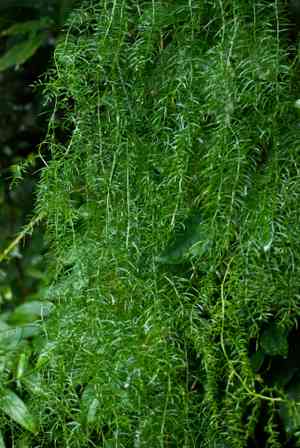
Wild asparagus flourishes when multiplied by dividing its root structure. For successful establishment, handle the root mass with care during the separation procedure. Employing sharp, sanitized implements is essential for splitting the clusters, thereby reducing harm and the risk of disease. Place the separated sections in soil that drains effectively and is fortified with organic material to encourage root expansion and general vigor.
When Is the Optimal Time to Propagate Wild Asparagus?
Propagation Method
Splitting
Propagation Period
Spring,Autumn
What Implements Are Utilized in Wild Asparagus Propagation?
Sharp Blade or Garden Clippers
A keen blade or garden clippers is vital for cleanly severing the root structure of wild asparagus during division. A precise cut helps prevent harm to plant tissues, lowering infection risk and ensuring each segment has a healthy start. Sharp tools are crucial to minimize plant stress, which can impact their recovery and post-propagation growth.
Gardening Handwear
Gardening handwear is important for handling wild asparagus safely, shielding the propagator from any sharp edges or potentially irritating plant sap. Gloves also offer a better grip on the plant and tools, reducing slips and accidental injuries during the delicate division process.
Spade or Garden Fork
These implements are used for excavating the wild asparagus prior to division. A spade or garden fork assists in lifting the entire plant from the soil with minimal disruption to the root system, which is essential for maintaining plant health. It is particularly useful for wild asparagus due to its specific root structure, requiring careful handling to minimize root trauma.
Rooting Compound
While not always essential, applying a rooting compound to the severed sections of wild asparagus's roots can boost root development and increase propagation success. This is beneficial for fostering stronger, healthier growth in new plants derived from division.
Watering Can with a Fine Spray
After replanting the wild asparagus divisions, gentle irrigation is crucial. A watering can with a fine spray ensures water is evenly distributed over the soil, providing necessary moisture without disturbing the newly planted sections. Adequate watering aids in new root establishment, contributing to overall propagation success.
How to Multiply Wild Asparagus?
Propagation Difficulty
Simple
How to Nurture Your Newly Propagated Wild Asparagus?
How to Nurture Your Newly Propagated Wild Asparagus?
After propagation, wild asparagus needs consistent watering, especially during dry spells, to develop a robust root system. Mulch around the base to retain moisture and suppress weeds. Monitor for pests and diseases, treating as needed. Fertilize with a balanced feed in early growing season to encourage vigorous growth. As wild asparagus is a perennial, annual pruning of dead or weak stalks can promote healthier development.
Common Errors to Avoid When Propagating Wild Asparagus
Excessive Watering
Too much water can cause root rot in wild asparagus, which is harmful as it impedes nutrient absorption and can ultimately kill young plants.
Planting Too Deep
Setting wild asparagus cuttings or seeds too deep can hinder their growth. This error may prevent seedlings from breaking the soil surface, thereby lowering germination rates.
Using Old or Unsterilized Soil
Employing soil that isn't fresh or hasn't been sterilized can introduce pathogens and compete for nutrients, significantly reducing the chances of successful wild asparagus propagation.
Advice For Propagating Wild Asparagus
Proper Cutting Selection
Choose healthy, disease-free stem cuttings from a mature wild asparagus plant. This enhances the likelihood of successful rooting and vigorous growth.
Soil Preparation
Prepare a well-draining soil mix that retains moisture without becoming waterlogged. This balance is vital to provide an adequate environment for wild asparagus roots to establish.
Sufficient Spacing
Ensure that seeds or cuttings are spaced appropriately to allow for ample growth and prevent overcrowding, which can lead to fungal diseases and poor air circulation around wild asparagus.



