How to Prune Wild asparagus?
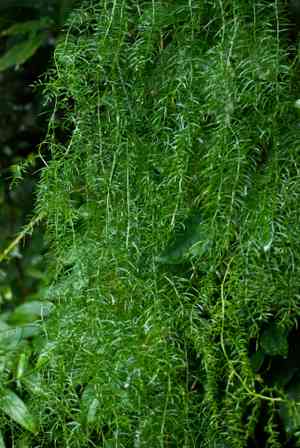
This herbaceous perennial flourishes with judicious trimming. For wild asparagus, the optimal period for pruning is in early spring or late winter. Eliminate any deceased or frail shoots to stimulate vigorous development and enhance air movement. Concentrate your cuts on the asparagus fern section once it begins to yellow, leaving several inches above the plant's base. Consistent pruning elevates both harvest quantity and the plant's overall vigor. Always employ sanitized, keen implements to avert the spread of pathogens and guarantee accurate incisions for the plant's well-being.
What Are the Benefits of Pruning Wild Asparagus?
What Are the Benefits of Pruning Wild Asparagus?
Trimming wild asparagus promotes vigorous development and helps preserve its form. Removing old or unhealthy stems enhances air circulation, lowering pest and disease risk. Regular cutting can also stimulate new, robust shoot production, crucial for plant strength.
What Is the Best Time for Pruning Wild Asparagus?
What Is the Best Time for Pruning Wild Asparagus?
Pruning or trimming wild asparagus in early spring or late winter is beneficial as the plant remains dormant, minimizing stress and disease risk. Early spring pruning aligns with the start of the plant's growth cycle, encouraging strong new growth and healthier shoots. In late winter, the absence of leaves allows for clear visibility of the plant's structure, enabling precise cuts that promote its natural shape and improve air circulation within the crown. Trimming before new growth begins helps the plant direct energy to developing desired shoots, increasing overall yield and quality. Additionally, pruning before flowering or fruiting ensures wild asparagus can recover and produce an abundant crop without the pruning process interfering with reproductive cycles.
What Tools Do I Need to Prune Wild Asparagus?
Bypass Hand Pruners
Perfect for making clean, accurate cuts, which is vital for maintaining the health of wild asparagus. Their sharp blades easily sever thin stems without harming plant tissues.
Pruning Saw
Suitable for cutting thicker, woody stems that hand pruners might struggle with. The serrated blades of a pruning saw can manage the bulk of wild asparagus's mature stems without splintering or uneven cuts.
Gloves
Wearing gloves is essential to shield hands from potential thorns or sharp edges while pruning wild asparagus. They also provide a better grip on tools and stems.
Long-Handled Loppers
These are useful for reaching into dense foliage or trimming at higher elevations. The extended handles offer leverage for making clean cuts on wild asparagus without straining the gardenerâs hands.
Garden Scissors
Ideal for trimming delicate foliage and removing dead or diseased leaves from wild asparagus. Their precise control and sharp blades allow for targeted pruning without harming adjacent plant parts.
How to Prune Wild Asparagus
Clean pruning tools
Sanitize all pruning tools to prevent the spread of diseases when trimming wild asparagus.
Identify diseased leaves
Examine wild asparagus carefully to spot diseased leaves, which often show discoloration or deformities.
Prune diseased leaves
Using sharp, sterilized shears, cut off diseased leaves at their base without damaging the main stem.
Identify withered leaves
Look for withered leaves on wild asparagus which may appear dry and brown.
Prune withered leaves
Remove withered leaves from wild asparagus by cutting them at the base to encourage healthy new growth.
Common Pruning Mistakes with Wild Asparagus
Over pruning
Removing too much foliage can stress wild asparagus, leading to reduced vitality. Gardeners should avoid cutting away more than one-third of the total growth in a single pruning session.
Cutting into old wood
Pruning back into the old, hard wood of wild asparagus can prevent new shoots from emerging. It's important not to cut into the woody base unless removing dead or diseased material.
Neglecting tool maintenance
Using dull or dirty implements can cause jagged cuts and introduce pathogens to wild asparagus. Always use sharp, clean pruning tools to make clean cuts and avoid potential disease spread.
Inconsistent pruning
Failing to prune wild asparagus regularly can result in leggy, sparse growth. Gardeners should aim to prune consistently to maintain the plant's shape and encourage healthy growth patterns.
Improper cut location
Cutting too close or too far from a bud can negatively impact wild asparagus's growth. Cuts should be made at a 45-degree angle, about 1/4 inch above a bud that faces the outside of the plant.
Common Pruning Tips for Wild Asparagus
Identify growth type
Knowing whether wild asparagus produces flowers on new or old growth helps determine what plant material to prune. Focus on shaping the plant and removing older, unproductive stems.
Promote air circulation
Prune wild asparagus to encourage open, airy structure. This helps reduce the risk of fungal diseases by improving air circulation and allowing sunlight to penetrate through the plant.
Use correct tools
Select the correct tools, such as hand pruners for smaller growth or loppers for thicker stems, ensuring a clean cut that will heal quickly and minimize stress on wild asparagus.
Sanitize tools
Clean tools before and after pruning wild asparagus to avoid transferring pests or diseases. Sanitizing between cuts is especially important when dealing with diseased plant parts.
Cut for health and shape
First, remove any dead, damaged, or diseased stems from wild asparagus. Then shape the plant to maintain its natural form, encourage flowering, and support robust growth.



