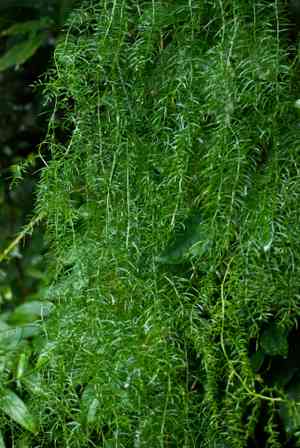
Wild asparagus (Asparagus cochinchinensis)
Also known as: Chinese Asparagus, Tian Men Dong
Wild asparagus (Asparagus cochinchinensis) is indigenous to various parts of East and Southeast Asia, including China, Korea, Japan, Vietnam, and Thailand. It produces small, white berries that typically appear in pairs. Despite their appealing appearance, these berries are toxic. Certain parts of the plant are utilized to deter fly and mosquito larvae due to their poisonous properties.
In This Article
Attributes of Wild asparagus
Lifespan
Perennial
Plant Type
Herb
Plant Height
1 m to 2 m
Spread
1.5 m to 3.5 m
Leaf Color
Green Blue
Flower Size
0.5 cm - 1 cm
Flower Color
White
Images of Wild asparagus
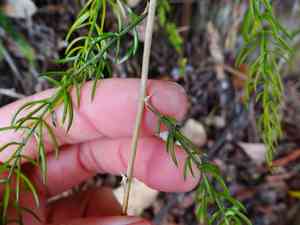
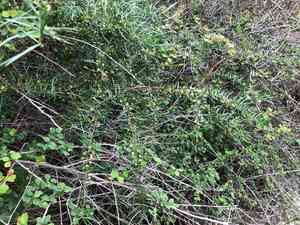
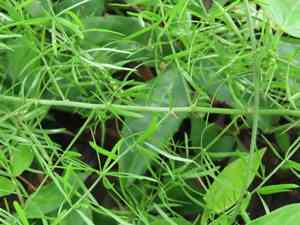
Quickly Identify Wild asparagus
1
This plant can be identified by its thin, spiny stems and green, needle-like leaves. It produces small, bell-shaped flowers and red berries.
Scientific Classification of Wild asparagus
Phylum
Vascular plants
Class
Monocotyledons
Order
Asparagus and allies
Family
Asparagus
Genus
Asparagus
Species
Wild asparagus
Planting and Growing of Wild asparagus
Care Difficulty
Easy
Watering Schedule
Every 8 days
Sunlight Requirements
Partial sun
Sunshine Duration
4-8 hours
Ideal Temperature
68-77℉
Soil Type
Potting Mix, Peat Mix
Soil pH
6.5-7.5
Fertilizer Type
Balanced
Pruning Season
Spring, Summer
Pruning Area
Branches, Leaves
Pruning Frequency
2 times a year
Repotting Season
Spring
Pot Type
Plastic, Ceramic
 How to Water Wild asparagus?
The amount of water should be enough to moisten the soil without causing waterlogging. The rule of thumb is to water until you see a bit of water start to come out of the drainage holes at the bottom of the pot, which indicates the water has permeated the root zone.
What are the symptoms of an underwatered Wild asparagus?
›
What should I do if my Wild asparagus is not getting enough water?
›
What are the symptoms of an overwatered Wild asparagus?
›
How to save an overwatered Wild asparagus?
›
 What Are the Sunlight Requirements for Wild asparagus?
Partial sun to full shade fits Asparagus cochinchinensis well. Proper light levels encourage robust foliage and balanced growth, crucial for maintaining its unique aesthetic and health.
More About Sunlight Requirements Techniques→
What is the best location for Asparagus cochinchinensis?
›
How can you maintain optimum lighting conditions indoors?
›
What are the benefits of optimal lighting for this plant?
›
 What Is the Ideal Temperature Range for Wild asparagus?
The ideal temperature range for Asparagus cochinchinensis is between 68°F and 77°F. This range provides optimal conditions for growth, ensuring the plant can perform photosynthesis efficiently while minimizing stress.
 What Soil is Best for Wild asparagus?
Asparagus cochinchinensis thrives best in well-drained soil, which allows roots to access both moisture and oxygen effectively. This benefits the plant by preventing root rot and promoting healthier, more robust growth. A soil with moderate nutrient levels supports optimal growth for Asparagus cochinchinensis without encouraging excessive vegetative growth. Balanced nutrients ensure that the plant develops sturdy roots and vibrant leaves. Soil that retains moisture well is crucial for Asparagus cochinchinensis, ensuring that the plant has constant access to the necessary hydration. This acts as a buffer against drought stress, particularly in warmer climates.
 How to Fertilize Wild asparagus?
For Asparagus cochinchinensis, it is recommended to apply a balanced liquid fertilizer diluted to half strength. Typically, use one tablespoon for every gallon of water. With solid fertilizers, a light application is preferred, such as a quarter cup spread around the base, ensuring it doesn't touch the plant directly.
 How to Prune Wild asparagus?
When trimming, make your cuts above a node or a leaf joint to encourage new shoots to sprout efficiently. This technique helps in maintaining the plant’s aesthetic appeal. Be cautious not to remove more than a third of the plant at a time, as excessive pruning can stress the plant and hinder its ability to recover and grow.
More About Pruning Techniques→
 How to Propagate Wild asparagus plant?
1
Choose a well-draining soil mix, enriched with organic matter. Ensure that the soil is moist but not waterlogged, providing a perfect medium for root growth during propagation.
2
Sow the seeds about a quarter-inch deep in the prepared soil. Cover them lightly with soil and mist the surface to keep it humid, which is essential for successful germination.
3
Carefully remove the plant from its pot or ground and gently separate the roots to divide the plant. Each division should have a healthy root system and shoots attached.
 How to Repot Wild asparagus plant?
1
Asparagus cochinchinensis should be repotted when new growth begins in spring, or when roots outgrow their container, becoming densely packed. Signs such as roots emerging from drainage holes or wilting despite regular watering indicate it's time for repotting.
2
Select a pot that is one size larger than the current one, ensuring it has good drainage holes. A slightly larger pot prevents root congestion, allows for healthy growth, and provides ample space for root expansion. Avoid oversized pots to prevent waterlogging.
3
Opt for a well-draining sandy soil mix enriched with organic matter. This soil type helps in preventing root rot by ensuring adequate airflow and drainage, while still retaining enough nutrients and moisture for robust growth and development.
Learn More About Wild asparagus Diseases
Anthracnose
Bacterial Leaf Spot
Bacterial Soft Rot
Bacterial Wilt
Chemical Injury
Crown Gall
Cyst Nematode
Damping-off
Drought Stress
Fusarium Wilt
Gray Mold
Leaf Spot
Mosaic
Nutrient Deficiency
Nutrient Toxicity
Powdery Mildew
Root Rot
Root-knot Nematode
Rusts
Sooty Mold
Spider Mites
Temperature Stress
Thrips Damage
White Mold



