How to Transplant Wheel milkweed?
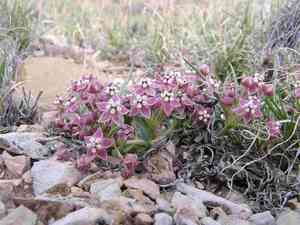
Wheel milkweed flourishes when relocated from the beginning to the middle of spring, benefiting from ideal ground and warmth levels. Choose bright spots with soil that drains effectively. To achieve superior outcomes, manage gently to lessen root disruption.
What Preparations are Needed Before Transplanting Wheel Milkweed?
What is the Ideal Time for Transplanting Wheel Milkweed?
The best period for relocating wheel milkweed, a perennial, is from early to late spring. This timeframe allows the plant to develop its root system prior to summer's heat, boosting its resilience and development. Moving it during this season ensures wheel milkweed can fully benefit from the warming ground and increased sunlight, leading to a healthier, more vigorous plant.
How Much Space Should You Leave Between Wheel Milkweed Plants?
For wheel milkweed, aim to position each plant approximately 1-2 feet (30-60 cm) apart to provide ample room for growth and prevent overcrowding.
What is the Best Soil Mix for Wheel Milkweed Transplanting?
Prepare a well-draining sandy or loamy soil for wheel milkweed, incorporating organic material or compost. A balanced starter fertilizer with equal parts of nitrogen, phosphorus, and potassium, such as a 10-10-10 blend, will offer a good beginning.
Where Should You Relocate Your Wheel Milkweed?
Select a sunny location for wheel milkweed that receives at least 6 hours of direct sunlight daily. This will ensure the plant flourishes and produces abundant blooms in your garden.
What Equipments Should You Prepare Before Transplantation Wheel Milkweed?
Gardening Gloves
To safeguard your hands while handling soil and plants.
Shovel or Spade
For excavating around the plant and creating a hole in its new spot.
Garden Trowel
To assist with precise digging and moving earth.
Watering Can or Hose
For hydrating the plant before and after its relocation.
Mulch
To aid in retaining soil moisture post-transplanting.
Pruning Shears
In case trimming is necessary to remove damaged sections.
Wheelbarrow or Bucket
For moving the plant from its original position to the new site.
How Do You Remove Wheel Milkweed from the Soil?
How Do You Remove Wheel Milkweed from the Soil?
From Ground: First, irrigate the wheel milkweed plant to moisten the soil. Next, dig a wide trench around the plant using a shovel or spade, ensuring the plant's root ball stays intact. Carefully work the spade beneath the root ball to lift the plant from its initial location.From Pot: Water the wheel milkweed plant thoroughly, then gently tap the pot's sides to loosen the soil. Tilt the pot sideways and carefully slide the plant out, taking care to support the root ball.From Seedling Tray: Water the wheel milkweed seedlings well. Use a garden trowel to carefully lift each seedling from the tray, ensuring roots are undamaged and a small soil clump remains around them.
Step-by-Step Guide for Transplanting Wheel Milkweed
Site Preparation
Prepare the new location by loosening the soil and removing any weeds. Dig a hole that is twice the width and the same depth as the wheel milkweed plant's root ball.
Plant Removal
Follow the appropriate steps from the 'removal process' section based on the plant's current placement.
Transplanting
Place the wheel milkweed plant into the prepared hole, ensuring the top of the root ball is level with the surrounding soil. Fill the hole with soil, gently firming it around the roots to eliminate air pockets.
Watering
Thoroughly water the newly transplanted wheel milkweed plant to help settle the soil around its roots and remove any remaining air pockets.
Mulching
Apply a layer of mulch around the base of the wheel milkweed plant to help retain moisture and suppress weeds. Ensure the mulch does not directly touch the plant stem.
How Do You Care For Wheel Milkweed After Transplanting?
Watering
Keep the soil around the wheel milkweed consistently moist, but not waterlogged, for the initial few weeks post-transplant to aid in establishing strong roots.
Monitoring
Regularly inspect the wheel milkweed for indications of stress, such as wilting or yellowing foliage, and adjust watering or care practices as needed.
Pruning
If necessary, trim any damaged or dead sections of the wheel milkweed to encourage healthy growth.
Protection
Safeguard the wheel milkweed from extreme weather, pests, or animals by utilizing garden cloches, fencing, or other protective measures.
Troubleshooting Common Issues with Wheel Milkweed Transplantation.
What is the best time to transplant wheel milkweed?
Relocate wheel milkweed from early spring to late spring for optimal growth and establishment.
How should I prepare the soil for wheel milkweed?
Ensure the soil is well-draining and enriched with organic matter for wheel milkweed to flourish.
How deep should I plant wheel milkweed?
Plant wheel milkweed at the same depth as it was in its original container.
How far apart should I space wheel milkweed plants?
Space wheel milkweed plants 1-2 feet (30-60 cm) apart to allow sufficient room for growth.
What should I do if wheel milkweed leaves start wilting after transplant?
Water thoroughly and ensure roots are not waterlogged; maintain consistent moisture levels.
How often should I water wheel milkweed after transplanting?
Water wheel milkweed regularly, keeping the soil consistently moist but not waterlogged during the first few weeks.
Can I transplant wheel milkweed during hot summer months?
Avoid relocating wheel milkweed in hot summer months as the heat can stress the plant.
What should I do if wheel milkweed doesn't flower after transplant?
Ensure it's receiving adequate sunlight and avoid over-fertilizing; it should bloom once re-established.
What kind of mulch is best for wheel milkweed?
Use organic mulch like straw or wood chips to retain moisture and regulate soil temperature.
How can I improve transplant success for wheel milkweed?
Harden off wheel milkweed by gradually exposing it to outdoor conditions before planting it in the garden.



