How to Propagate Wheel milkweed?
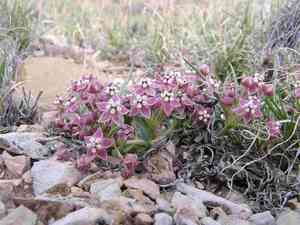
Wheel milkweed, a perennial herb belonging to the Apocynaceae family, features diminutive, wheel-like blossoms. The most successful method for propagation involves directly planting seeds into adequately drained soil, ensuring the substrate is slightly damp. Before sowing, abrade the seeds to improve their sprouting rate. Sustain a consistent temperature for peak development. Prevent excessive moisture, as wheel milkweed thrives in arid environments. Supplying ample sunlight will foster vigorous growth. Safeguarding against insects can aid in the healthy progression of seedlings.
Optimal Period for Wheel Milkweed Propagation
Propagation Method
Seeding
Propagation Period
Spring
Tools Utilized in Wheel Milkweed Propagation
Seed Tray
Crucial for starting wheel milkweed seeds. It offers a controlled setting for seedlings to sprout and mature prior to being transplanted. These trays ensure each seed has ample room for robust root development.
Seed Starting Mix
A light, airy medium is vital for the sprouting of wheel milkweed seeds. This blend supplies necessary nutrients and proper drainage required for young seedlings to flourish.
Spray Bottle
Maintains appropriate moisture levels for wheel milkweed seeds without disturbing the soil. Keeping the seed tray damp is essential for germination, especially for wheel milkweed which needs consistent but not saturated conditions.
Heat Mat
Provides steady warmth, which can encourage faster and more uniform germination rates for wheel milkweed seeds, particularly in cooler settings. This device ensures the soil temperature stays within the ideal range for this plant species.
Humidity Dome
Placed over the seed tray, it helps maintain high humidity levels beneficial for wheel milkweed seed germination. It creates a micro-environment that retains moisture and warmth.
Label Markers
Important for tracking different seed types and planting dates. Clear labeling is critical for accurate identification of wheel milkweed seedlings, aiding in their subsequent care and management.
Small Trowel
Useful for transplanting wheel milkweed seedlings from the seed tray to a larger pot or garden bed without harming their delicate roots. Ensures the plants have sufficient space to continue growing.
Grow Lights
Supplement natural light, especially in areas with insufficient sunlight. Adequate illumination ensures healthy seedling development for wheel milkweed, preventing them from becoming elongated or weak.
Sterile Blade or Scissors
Used to trim and manage seedlings during propagation. Ensures clean cuts to prevent plant damage or disease introduction, enhancing the seedlings' chances of vigorous growth.
How to Propagate Wheel Milkweed?
Propagation Type
Simple
Caring for Your Newly Propagated Wheel Milkweed
Caring for Your Newly Propagated Wheel Milkweed
Wheel milkweed needs well-draining soil and full sun exposure. Water young plants regularly until established, then water moderately. Mulch around the base to retain moisture and suppress weeds. Avoid fertilizing, as wheel milkweed thrives in nutrient-poor soils. Regularly check for pests and diseases, taking prompt action if any issues arise.
Common Errors to Avoid When Propagating Wheel Milkweed
Overwatering
Excess moisture can lead to root rot, which is harmful as the plant prefers well-drained soils. This can impede root development and cause wilting.
Incorrect soil composition
Using heavy or clay soils restricts drainage and aeration, hindering root growth and potentially leading to fungal diseases.
Insufficient light
Lack of adequate sunlight can result in weak, elongated growth and poor development of seedlings.
Ignoring temperature requirements
Failing to maintain the correct temperature range can impair seed germination and overall plant vitality.
Overcrowded plantings
Planting too closely together can lead to competition for nutrients, light, and water, resulting in stunted growth.
Advice for Propagating Wheel Milkweed
Utilize well-draining soil
Opt for sandy or gritty soil mixtures to support proper drainage and prevent root rot.
Ensure ample light
Provide sufficient sunlight, preferably full sun, to encourage robust growth and healthy development.
Maintain proper spacing
Plant seeds or seedlings at appropriate distances to avoid overcrowding and ensure they have enough space to grow.
Monitor watering
Water thoroughly but allow the soil to dry out between waterings to avoid waterlogging and root rot.
Temperature management
Keep the environment at moderate temperatures, avoiding extremes to ensure optimal germination and growth.



