How to Prune Wheel milkweed?
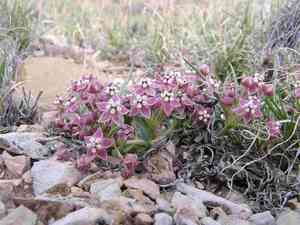
Wheel milkweed is a ground-hugging perennial recognized for its spiraled foliage and subtle pink blossoms. The ideal period for trimming is from late winter to early spring, prior to the emergence of fresh shoots. Eliminate any deceased or compromised stalks to foster vigorous regeneration and sculpt the plant. Trimming aids in boosting air movement and light exposure, leading to more prolific blooming. Exercise caution, as wheel milkweed exhibits a gradual growth pace. These methods elevate general well-being and visual appeal, guaranteeing vivid flowers and a diminished likelihood of illness.
What Are the Benefits of Pruning Wheel Milkweed?
What Are the Benefits of Pruning Wheel Milkweed?
Pruning Wheel Milkweed 1 promotes vigorous growth by eliminating dead or weak stems, and maintains its form for healthier, controlled development. This practice improves air circulation, lowers disease risk, and stimulates robust new growth, benefiting both its appearance and vitality.
What Is the Best Time for Pruning Wheel Milkweed?
What Is the Best Time for Pruning Wheel Milkweed?
Trimming Wheel Milkweed 1 in late winter or early spring is ideal as it coincides with the plant's dormant phase. During dormancy, the plant is not actively growing, which minimizes stress and disease risk. Furthermore, pruning before new growth starts allows Wheel Milkweed 1 to recover quickly and channel energy into healthy, strong new growth for the upcoming season. This timing supports better flowering and overall plant health, preparing Wheel Milkweed 1 for its active growth period.
What Tools Do I Need to Prune Wheel Milkweed?
Bypass Pruners
Bypass pruners are perfect for making clean cuts on the slender, herbaceous stems of Wheel Milkweed 1, reducing harm.
Hand Pruners
Hand pruners are crucial for precise trimming of small, delicate parts of Wheel Milkweed 1 without crushing the stems.
Pruning Scissors
Pruning scissors are excellent for light trimming and detailed work on Wheel Milkweed 1 due to their sharp, fine blades.
How to Prune Wheel Milkweed
Assess
Examine Wheel Milkweed 1 carefully to identify any diseased or withered leaves that require removal.
Prepare Tools
Ensure pruning shears are sharp and sanitize them with rubbing alcohol to prevent the spread of disease.
Remove Diseased Leaves
Carefully cut off any diseased leaves at the base or the nearest healthy part of the stem, ensuring a clean cut.
Remove Withered Leaves
Gently snip away withered leaves close to the main stem without harming surrounding healthy tissue.
Dispose
Properly discard the trimmed leaves by removing them from the garden area to prevent potential disease transmission.
Common Pruning Mistakes with Wheel Milkweed
Over-pruning
Removing too much foliage at once can stress Wheel Milkweed 1 and impede its growth. This plant typically needs minimal pruning, so severe cuts should be avoided.
Improper technique
Using dull or unclean tools can damage Wheel Milkweed 1, leading to disease or pest infestation. It's essential to use sharp and clean pruning shears for precise cuts.
Pruning at the wrong time
Although the optimal season for pruning isn't detailed here, pruning during active growth phases can negatively impact flowering or stunt development. Avoid pruning during periods of high stress.
Common Pruning Tips for Wheel Milkweed
Minimal pruning
Maintain Wheel Milkweed 1's natural form by only removing dead, damaged, or diseased stems. This helps the plant focus energy on healthy growth and flowering.
Hygiene considerations
Always sterilize pruning tools before use to prevent the spread of diseases. Clean cuts are vital for Wheel Milkweed 1 to heal properly and remain healthy.
Careful selection
Focus on removing only what is necessaryâdead or weak stemsâespecially in the center of Wheel Milkweed 1 to improve air circulation. This can prevent mildew and other fungal issues.
Observational pruning
Regularly inspect Wheel Milkweed 1 for any signs of disease or damage. Address these issues promptly by pruning affected areas to maintain overall plant health.



