How to Transplant Horsetail milkweed?
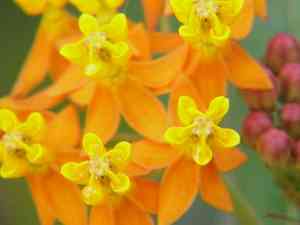
Horsetail milkweed flourishes most effectively when relocated from early spring to early summer, benefiting from ideal growth circumstances. Select a bright spot with soil that drains efficiently for favorable outcomes. Verify that the soil remains damp yet not oversaturated to encourage robust rooting.
Essential Preparations Before Moving Horsetail Milkweed?
Optimal Timing for Relocating Horsetail Milkweed?
The best time to move horsetail milkweed, a perennial, is from early to late spring extending into early summer. Relocating during this period allows horsetail milkweed to benefit from mild temperatures and increased rainfall, which aids root development and robust growth before summer's heat. This timeframe also minimizes transplant stress and boosts the plant's resilience.
Required Spacing Between Horsetail Milkweed Plants?
When relocating horsetail milkweed, ensure adequate distance between each specimen. Position them approximately 18-24 inches (45-60 cm) apart. This spacing guarantees each plant receives sufficient sunlight and air circulation, promoting healthy development.
Ideal Soil Blend for Horsetail Milkweed Relocation?
Prepare the soil for horsetail milkweed relocation by ensuring it is well-draining and sandy. Incorporating some organic compost or a balanced base fertilizer will provide a good nutrient boost. Avoid overly wet areas as horsetail milkweed prefers drier conditions.
Preferred New Location for Your Horsetail Milkweed?
For horsetail milkweed, select a sunny spot. This plant thrives in full sun, meaning it requires at least 6 hours of direct sunlight daily. If full sun isn't available, choose a location with partial shade.
Necessary Tools Before Relocating Horsetail Milkweed?
Gardening Gloves
To safeguard your hands while handling soil and the plant.
Shovel or Spade
For excavating the planting hole and extracting the plant from its original spot.
Trowel
Useful for precise digging and gentle plant handling.
Watering Can or Hose
To hydrate the plant before and after its move.
Pruners
To trim any damaged or excess roots prior to relocation.
Compost or Organic Matter
To enrich the soil in the new planting area.
Method for Extracting Horsetail Milkweed from the Ground?
Method for Extracting Horsetail Milkweed from the Ground?
From Ground: First, moisten the soil around the horsetail milkweed plant by watering it. Next, dig a wide trench around the plant using a shovel or spade, making sure the plant's root ball stays intact. Carefully work the spade beneath the root ball to lift the plant from its initial position.From Pot: Thoroughly water the horsetail milkweed plant to dampen the soil. Gently tap the pot to loosen the soil and carefully slide the plant out, holding it by the stem's base. If the plant is root-bound, gently separate the roots before relocating.From Seedling Tray: Water the seedlings well to prevent damage to their delicate roots. Use a small trowel or your fingers to carefully lift each seedling from the tray, ensuring as much of the root ball remains intact as possible.
Detailed Steps for Relocating Horsetail Milkweed
Hole Preparation
Excavate a hole in the ground that is twice as wide and equally deep as the root ball of your horsetail milkweed plant.
Soil Preparation
Combine the excavated soil with compost or organic matter to enhance nutrients and improve drainage.
Plant Placement
Position the horsetail milkweed plant into the hole, ensuring the top of the root ball is level with the surrounding ground surface.
Backfilling
Gently refill the hole with the prepared soil mixture, pressing down lightly to remove air pockets.
Watering
Water the plant thoroughly immediately after relocation to help the soil settle around the roots.
Post-Relocation Care for Horsetail Milkweed?
Watering
Maintain consistent moisture in the soil around the horsetail milkweed, avoiding sogginess, for the initial weeks after relocation to aid strong root establishment.
Mulching
Apply a layer of mulch around the plant's base to help retain soil moisture and inhibit weed growth.
Monitoring
Observe the plant closely for the first few weeks. Look for any signs of distress like wilting or yellowing leaves and adjust care as needed.
Pruning
Remove any dead or damaged foliage to encourage healthy growth and development.
Resolving Common Issues with Horsetail Milkweed Relocation.
When is the best time to move horsetail milkweed?
Relocate horsetail milkweed from early spring to early summer for optimal outcomes.
What spacing is recommended for horsetail milkweed?
Space horsetail milkweed plants 18-24 inches (45-60 cm) apart for ideal growth.
How deep should horsetail milkweed be planted?
Plant horsetail milkweed at the same depth it was previously growing in its container.
What soil type is most suitable for horsetail milkweed?
Horsetail milkweed prefers well-drained, sandy to loamy soil with good organic content.
How much water should be given after moving horsetail milkweed?
Water horsetail milkweed thoroughly after relocation, ensuring the soil is moist but not waterlogged.
Should I fertilize horsetail milkweed immediately after moving?
Avoid immediate fertilization; wait until horsetail milkweed shows signs of new growth first.
Is it necessary to trim horsetail milkweed before moving?
Prune any damaged or lengthy roots before relocation to help horsetail milkweed establish better.
What to do if horsetail milkweed shows signs of transplant shock?
Keep the soil consistently moist and provide partial shade to reduce stress on horsetail milkweed.
Can I move horsetail milkweed in the autumn?
Autumn relocation is not advised; stick to early spring through early summer.
How can I ensure horsetail milkweed establishes well after moving?
Mulch around horsetail milkweed to retain moisture and suppress weeds, aiding in better establishment.



