How to Prune Horsetail milkweed?
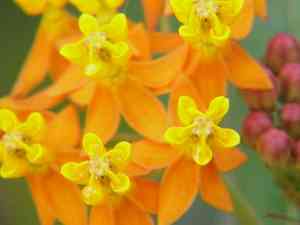
Distinguished by its narrow, vertical stalks and groupings of pale green blossoms, horsetail milkweed thrives with trimming in early spring or late winter to stimulate vigorous development. Eliminate deceased or injured stems and reduce dense sections to guarantee ample airflow. This enhances general plant well-being and discourages infestations. Trimming additionally fosters more prolific blooming, boosting its ornamental value in landscapes. Always employ sanitized, keen implements to avert pathogen transmission.
What Are the Benefits of Pruning Horsetail Milkweed?
What Are the Benefits of Pruning Horsetail Milkweed?
Trimming horsetail milkweed encourages robust development and maintains its form. By eliminating dead or unhealthy sections, it safeguards the plant's vitality and look, while also boosting its defense against pests and illnesses.
What Is the Best Time for Pruning Horsetail Milkweed?
What Is the Best Time for Pruning Horsetail Milkweed?
Trimming horsetail milkweed in late winter or early spring ensures the plant is inactive, minimizing stress and promoting strong growth in the upcoming season. This timing coincides with the end of its dormant phase before new shoots and blooms appear, allowing for healthy flower and foliage development. Pruning at this stage also aids in removing any damaged or dead parts accumulated over winter, which enhances plant health and vigor.
What Tools Do I Need to Prune Horsetail Milkweed?
Hand Pruners
Perfect for small to medium stems. Ensure a precise cut to prevent plant harm and encourage healthy growth.
Bypass Pruners
Useful for shaping and trimming, especially for new growth. Its scissor-like action is less likely to crush plant tissues.
Pruning Shears
Effective for cutting thicker stems or branches, which might be necessary for mature or woody parts.
Gloves
Essential for protecting hands from potential sap or thorns during the pruning process.
How to Prune Horsetail Milkweed
Inspect
Carefully examine the plant for any diseased or withered leaves. Pay close attention to areas showing signs of discoloration or damage.
Sanitize
Disinfect your pruning tools with a solution of one part bleach to ten parts water. This helps in preventing the spread of disease.
Remove diseased leaves
Using sanitized pruning tools, carefully cut off any diseased leaves at their base. Ensure you cut back to healthy tissue to prevent further spread.
Trim withered leaves
Remove withered leaves by snipping them off at the base or closest node. Be careful not to damage surrounding healthy leaves or stems.
Dispose
Dispose of the removed diseased and withered leaves away from the plant to prevent any potential contamination or disease spread. Use a sealed bag to discard them in your waste bin.
Common Pruning Mistakes with Horsetail Milkweed
Over-pruning
Removing too many branches or stems can stress the plant and reduce flowering.
Pruning at the wrong spots
Cutting too close to the main stem or at awkward angles can damage the plant and invite diseases.
Using dull tools
Blunt tools make rough cuts that can harm the plant and slow healing.
Ignoring dead or diseased parts
Failing to remove dead or diseased parts can spread infections to healthy areas.
Not disinfecting tools
Using contaminated tools may introduce pathogens and spread diseases.
Common Pruning Tips for Horsetail Milkweed
Use clean, sharp tools
Ensure all pruning tools are sterilized and sharp to make clean cuts which heal faster.
Remove dead or damaged parts first
Always start by eliminating any dead, diseased, or damaged stems to maintain plant health.
Follow the growth pattern
Prune in alignment with the plantâs natural growth pattern to encourage healthy development.
Make angled cuts
Perform cuts at a 45-degree angle to reduce water retention on the cut surface and prevent rot.
Limit pruning to promote growth
Avoid heavy pruning; instead, trim lightly and regularly to promote new growth and better flowering.



